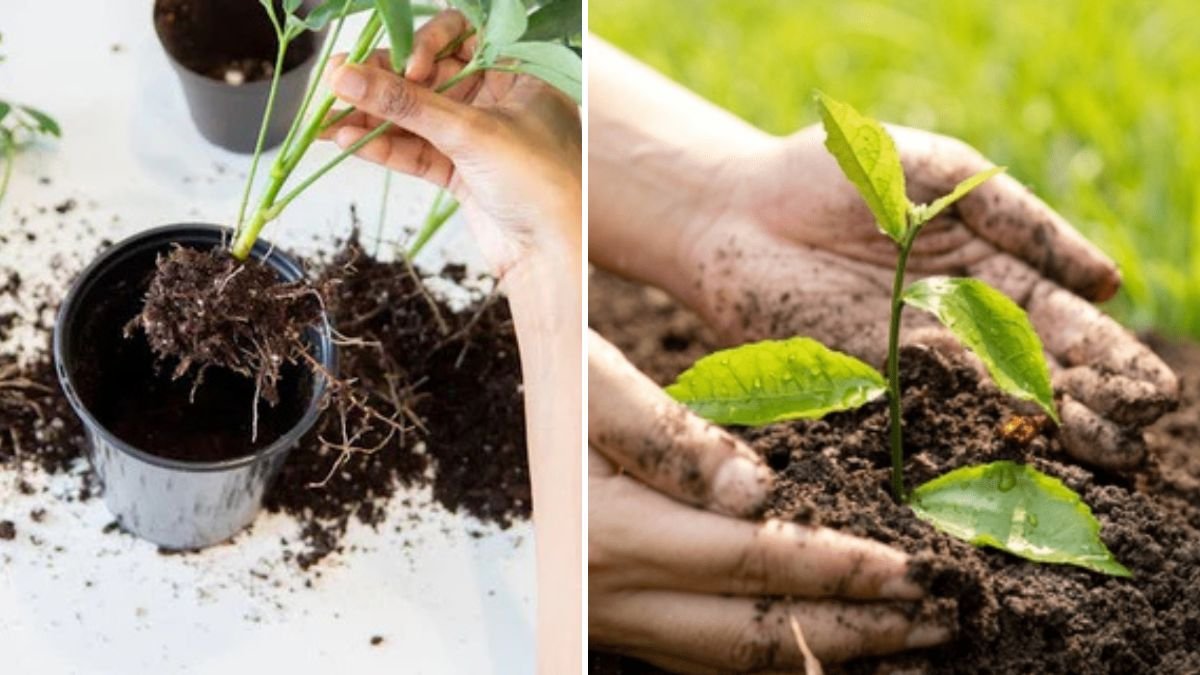
Every passionate gardener loves discovering new tricks that make plant growth easier, faster, and more rewarding. Among the many gardening secrets, there is one that stands out as truly transformative—a Great Technique that empowers you to multiply your favorite plants effortlessly, improve their survival rate, and enjoy a fuller, greener garden without spending extra money.
Whether you grow fruit trees, flowering plants, or indoor beauties, this technique can be applied in countless ways. In this 1200-word in-depth guide, you will explore what makes this method special, how to use it effectively, common mistakes to avoid, and how it can elevate your gardening experience to the next level.
What Is the “Great Technique” in Gardening?
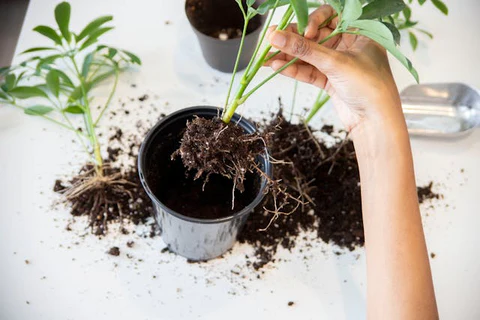
When gardeners talk about a Great Technique, they are often referring to a smart, highly effective method that transforms plant propagation and growth. One such method is Air Layering, a technique that ensures quick rooting and strong plant development without removing the branch from the mother plant.
Air layering has been used for centuries because it offers:
- High success rates
- Faster growth than traditional cuttings
- Cloned plants with identical fruit quality
- Strong, ready-to-grow root systems
It is a technique so reliable that even beginners can use it and achieve professional-level results.
Why Air Layering Is Considered a Great Technique
1. Almost Guaranteed Success
Air layering encourages roots to form while the branch is still attached to the parent plant, which means the plant receives:
- Continuous nutrients
- Steady moisture
- Natural protection
This makes the rooting process stronger compared to cuttings planted in soil.
2. Faster Root Development
Because the branch never experiences transplant shock during rooting, roots develop quickly and powerfully.
3. Produces Fruit Faster
Plants propagated through air layering grow faster and begin fruiting earlier than those grown from seeds.
For fruit trees like mango, guava, lemon, and fig, this is a huge advantage.
4. No Need for Special Equipment
All you need is:
- A knife
- Cocopeat or moss
- Plastic wrap
- Rooting hormone (optional)
This makes the technique both practical and cost-effective.
5. Ideal for Hard-to-Root Plants
Some plants don’t root easily from cuttings.
Air layering overcomes this challenge easily.
How the Great Technique of Air Layering Works
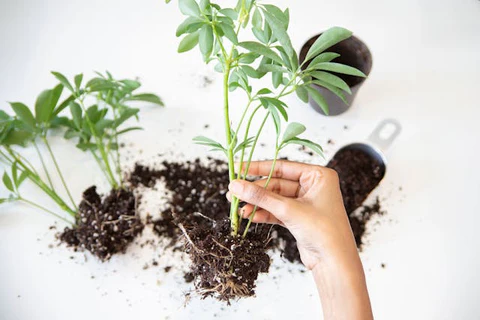
Air layering works by encouraging a branch to form new roots while it’s still receiving nutrients from the parent plant. Once these roots form, the branch is cut and planted as a new independent plant.
Let’s explore how to perform this technique step-by-step.
Step-by-Step Guide to Mastering the Great Technique
Step 1: Choose the Right Branch
Select a healthy branch that is:
- Pencil-thick or slightly thicker
- Free from pests or diseases
- Flexible but mature
- At least 1 year old
Branches that are too young dry out quickly, while very old ones root slowly.
Step 2: Make the Rooting Cut
There are two popular ways to begin air layering:
Method A: Ring Barking (Girdling)
- Choose an area about 10–12 inches from the branch tip.
- Remove a 1-inch ring of bark all around the branch.
- Scrape the green layer slightly to expose the cambium.
Method B: Slanting Upward Cut
- Make a 1-inch upward cut.
- Insert a toothpick to keep it open.
- This stimulates root formation.
Both methods activate the natural healing process of the plant and encourage root growth.
Step 3: Apply Rooting Hormone (Optional but Powerful)
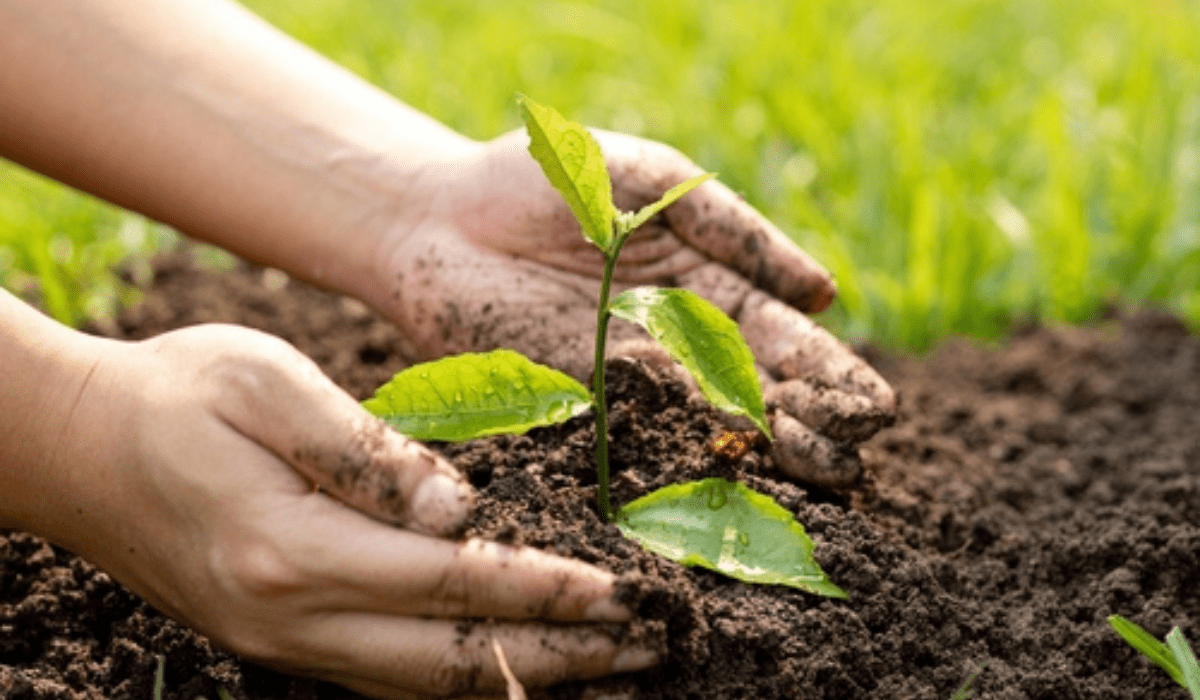
Dab rooting hormone powder or gel on the exposed area:
- It prevents fungal growth
- It accelerates root development
- It increases success rate significantly
Step 4: Pack with Moist Medium
Your rooting medium should be moisture-rich but not soggy. Best options include:
- Wet sphagnum moss
- Cocopeat
- Mixture of soil + compost (light and loose)
Wrap the moist medium around the cut area.
It should fully cover the exposed part and stay firmly in place.
Step 5: Wrap and Seal
Use:
- Plastic wrap
- Cling film
- Transparent polythene
- Aluminum foil
Tie the ends tightly using thread or tape.
Purpose:
To retain moisture and create a mini greenhouse around the cutting, which is essential for root formation.
Step 6: Wait for Root Formation
Rooting usually takes 4–8 weeks depending on:
- Temperature
- Moisture
- Plant type
You will see white roots growing inside the wrapping. This is the exciting part—your new plant is nearly ready!
Step 7: Cut and Pot the New Plant
Once roots are visible:
- Cut the branch just below the root ball.
- Gently remove the wrapping without disturbing roots.
- Plant in a pot with well-draining soil.
- Keep in shade for 10–14 days.
After the plant adjusts, you can slowly introduce it to sunlight.
Which Plants Respond Best to This Great Technique?
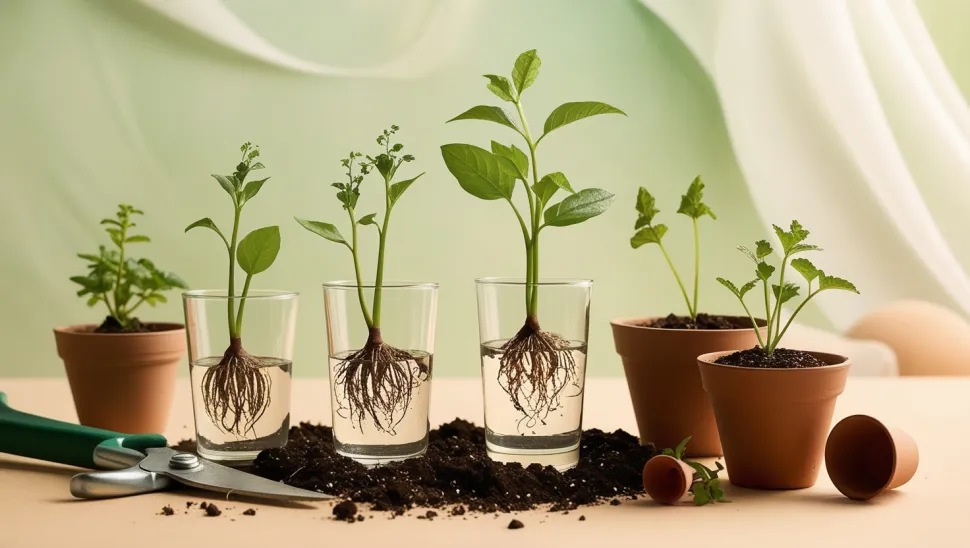
Air layering works beautifully for:
- Lemon Trees
- Guava
- Fig
- Lychee
- Mango
- Bougainvillea
- Pomegranate
- Jasmine
- Rubber Plants
- Hibiscus
These trees and plants root fast and grow vigorously using this technique.
Care Tips for Air-Layered Plants (After Successful Rooting)
To help your new plant become healthy and productive, follow these care instructions:
Sunlight
- Keep in shade initially
- Gradually shift to morning sun
- After 3 weeks, full sun is ideal for fruiting plants
Watering
- Water only when soil feels dry
- Avoid overwatering during early growth
- Ensure proper drainage
Fertilizing
After one month, begin with:
- Organic compost
- Liquid fertilizer
- Cow dung manure
- NPK (once every 30 days)
Pruning
Trim weak branches to encourage strong, balanced growth.
Common Mistakes to Avoid
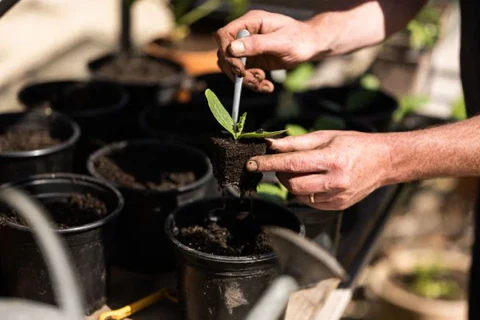
Even though air layering is a great technique, failure can occur if these mistakes are made:
Wrapping too loosely
Moisture escapes, roots don’t form.
Using soil that is too dry or too wet
Incorrect moisture is the number one cause of failure.
Doing air layering in extreme heat
High temperatures dry the branch.
Disturbing the wrapping frequently
Roots need a stable environment.
Not providing shade after cutting
New plants are sensitive and need mild light initially.
Benefits of Mastering This Great Technique
Once you learn this skill, you gain the ability to:
✔ Grow plants faster
✔ Multiply your garden for free
✔ Clone high-quality fruit trees
✔ Grow disease-resistant plants
✔ Create gifts for friends
✔ Produce plants that fruit earlier
It is a technique that empowers your gardening journey and helps you build a lush, productive, and beautiful green space.
Final Thoughts
Air layering is truly a Great Technique—simple, reliable, and powerful. Whether you are a beginner or a seasoned gardener, mastering this method will transform the way you propagate plants. The technique gives you full control over the growth process and allows you to reproduce your best plants with ease.