Lemon trees are among the most beloved citrus plants in home gardens. Their bright green foliage, fragrant blossoms, and tangy fruits make them both beautiful and useful. One of the best ways to multiply your lemon plants without spending money is propagation—the process of growing new trees from an existing one.
Propagating a lemon tree not only helps you produce more plants but also ensures that the new trees retain the same qualities as the parent plant. Whether you want to grow lemons faster, improve fruit quality, or simply enjoy gardening, propagation is a valuable skill.
In this 1200-word guide, we will explore the most effective propagation methods, step-by-step procedures, essential care tips, and expert advice for success.
Introduction: Why Propagate Lemon Trees?
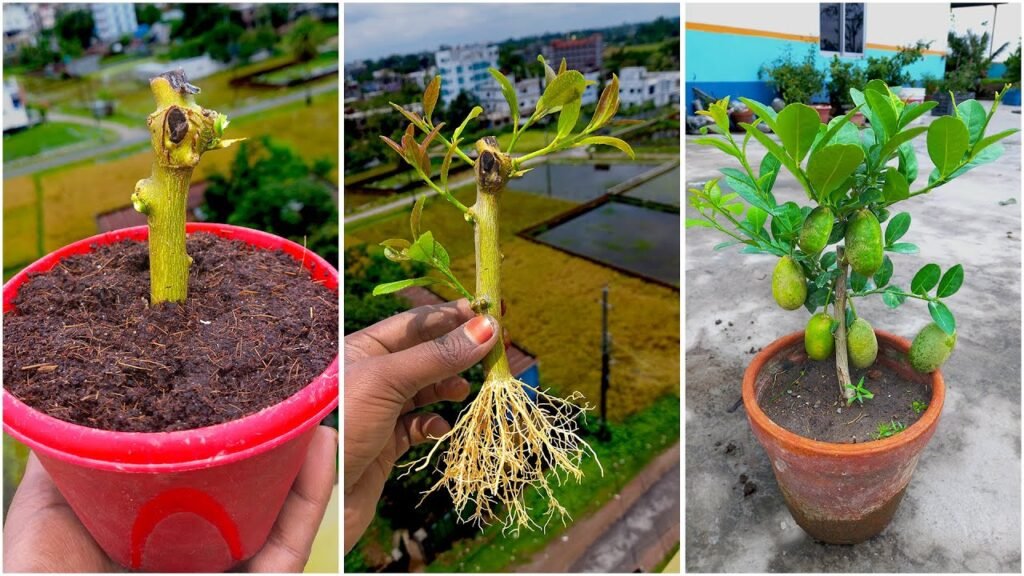
Propagation helps gardeners:
- Create multiple plants from one tree
- Maintain fruit quality
- Grow trees faster than seed-grown plants
- Replace damaged or old trees
- Share saplings with friends
- Save money
Lemon trees propagated through cuttings or air layering grow faster and stronger compared to seed-grown ones. Seeds often take many years to fruit and may not produce lemons identical to the parent tree.
Propagation gives you genetically identical plants, ensuring consistent taste, size, and aroma.
Best Time to Propagate Lemon Trees
Timing plays a major role in success.
Best Seasons
- Spring
- Early summer
- Beginning of monsoon
During these periods:
- Plants are actively growing
- Roots develop quickly
- Humidity supports rooting
- Avoid
- Winter
- Heavy rains
- Extreme heat
Correct timing improves rooting success by more than 50%.
Propagation Methods for Lemon Trees
Lemon trees can be propagated using the following techniques:
- Stem cuttings (most common and easy)
- Air layering (high success rate)
- Grafting (professional method)
- Seeds (slow and unpredictable)
Let’s explore each method in detail.
1. Propagating Lemon Trees Using Stem Cuttings (Easy Method)

Stem cuttings are the most widely used home method. They are simple and produce healthy plants.
Step 1: Select the Right Cutting
Choose a branch that is:
- Semi-hardwood
- 6–8 inches long
- Healthy
- Free from pests
- With 3–4 nodes
Avoid:
- Very young soft shoots
- Old woody stems
- Diseased branches
Step 2: Prepare the Cutting
- Cut the branch at a 45-degree angle
- Remove leaves from the lower half
- Keep 2 leaves at the top
- Dip the cut end in:
- Rooting hormone
- Or honey
- Or cinnamon powder
These help prevent infection and promote root growth.
Step 3: Prepare the Soil
Use a well-draining mix:
- 50% sand
- 25% cocopeat
- 25% compost
Good drainage prevents root rot.
🪴 Step 4: Plant the Cutting
- Fill a pot with soil
- Make a hole
- Insert the cutting 2–3 inches
- Press gently
- Water lightly
Step 5: Maintain Humidity
Cover the cutting with:
- A plastic bottle
- Or plastic bag
This creates a greenhouse effect.
Step 6: Place in Bright Indirect Light
Avoid direct sunlight until roots develop.
Rooting Time
Roots appear in 4–8 weeks.
Signs of success:
- New leaves
- Strong stem
- Growth at the top
2. Propagating Lemon Trees Through Air Layering (Highly Effective)
Air layering is trusted by professional gardeners because it produces stronger plants.
Materials Needed
- Sharp knife
- Rooting hormone
- Moist sphagnum moss
- Plastic wrap
- Rope
Steps
- Choose a branch about pencil thickness
- Remove a 1-inch ring of bark
- Apply rooting hormone
- Wrap moist moss around the exposed area
- Cover with plastic
- Tie both ends
Rooting Time
Roots develop in 4–6 weeks.
Step 6: Detach and Pot
When roots are visible:
- Cut below the moss
- Transfer to a pot
- Water gently
This method gives the strongest and fastest-growing plants.
3. Propagation by Grafting (Advanced Method)
Grafting combines:
- Rootstock – disease-resistant
- Scion – fruit-bearing branch
Advantages:
- Faster fruiting
- Stronger plant
- Better fruit quality
- Disease resistance
Common techniques:
- Budding
- Side grafting
- Wedge graft
Grafting requires skill but yields the best results for commercial orchards.
4. Propagation from Seeds (Least Reliable)
Growing lemon trees from seeds is simple but not recommended for fruit production.
Pros
- Easy
- Fun experiment
Cons
- Fruit may differ
- Weak plant
- Takes 4–7 years to fruit
Seed-grown lemons are best for hobby gardens, not productivity.
Care Tips for Newly Propagated Lemon Plants
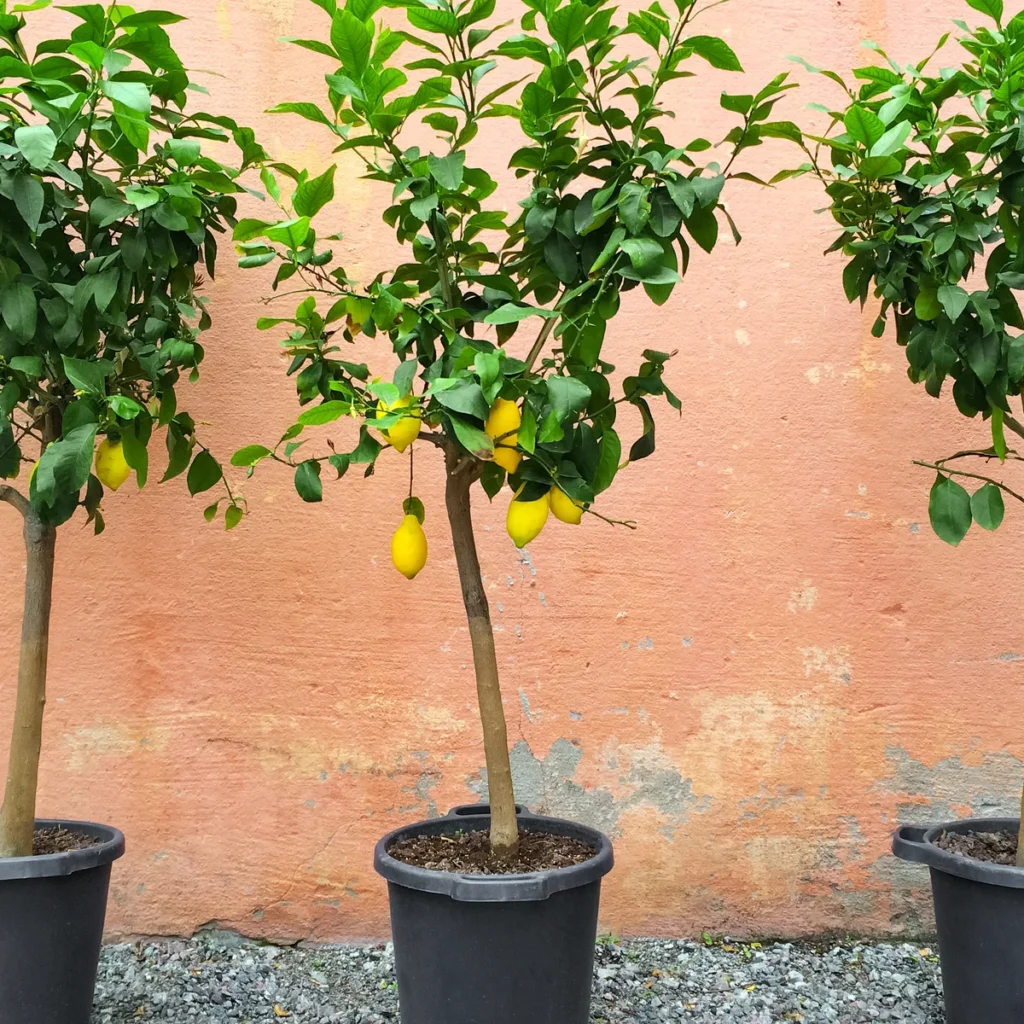
Once rooting is successful, proper care ensures healthy growth.
Light
Young plants:
- Bright indirect light
Older plants:
- Full sun
Lemons need at least 6 hours of sunlight.
Watering
- Keep soil moist
- Avoid waterlogging
- Water when top 2 cm dries
Overwatering leads to root rot.
Soil
Use:
- Garden soil
- Sand
- Compost
- Cocopeat
Well-drained soil is essential.
Fertilization
Feed every 3–4 weeks:
- Organic compost
- Vermicompost
- Banana peel fertilizer
- Liquid citrus fertilizer
Avoid strong chemicals for young plants.
Pruning
When plant reaches 40–50 cm:
- Trim the top
- Encourage branching
- Improve airflow
- Increase fruiting
When Will Propagated Lemon Trees Bear Fruit?
| Propagation Method | Time to Fruit |
|---|---|
| Cuttings | 2–3 years |
| Air layering | 1.5–2 years |
| Grafting | 1–2 years |
| Seeds | 4–7 years |
Air layering and grafting give the fastest results.
Common Problems & Solutions
❗ Cutting turns black
Cause: infection
Fix: sanitize tools + cinnamon
❗ No roots
Cause: wrong season
Fix: propagate in warm months
❗ Yellow leaves
Cause: nutrient deficiency
Fix: add compost
❗ Wilting
Cause: dehydration
Fix: improve humidity
Expert Tips for Maximum Success
✅ Use sharp, clean tools
✅ Choose healthy branches
✅ Maintain humidity
✅ Avoid direct sun
✅ Keep soil moist
✅ Use rooting hormone
✅ Propagate during warm weather
Conclusion: Propagation Makes Lemon Growing Easier and Cheaper
Propagating lemon trees is a rewarding process that allows gardeners to expand their gardens naturally. Whether you choose cuttings, air layering, or grafting, each method helps you grow healthy plants with minimal cost.
Propagation not only strengthens your gardening skills but also connects you more deeply with nature. With patience, care, and proper technique, your new lemon tree will soon gift you fragrant blossoms and delicious fruits.
Growing lemons from propagation is not just gardening—it’s a sustainable way to multiply life.