
Lemon trees are among the most rewarding fruit trees for home gardeners. Their evergreen foliage, fragrant flowers, and vitamin-rich fruits make them a perfect addition to balconies, terraces, and backyard gardens. The best part? You don’t need to buy multiple lemon plants. You can propagate your own lemon trees easily—right at home!
Propagating lemon trees is not only fun, but also highly productive. Whether you want more fruit-bearing plants, want to preserve a high-quality variety, or simply want to expand your home garden, propagation is the key. In this complete guide, we explore the best methods to propagate lemon trees, the right seasons, tricks to speed up rooting, and proper care for long-lasting success.
Why Propagate Lemon Trees?
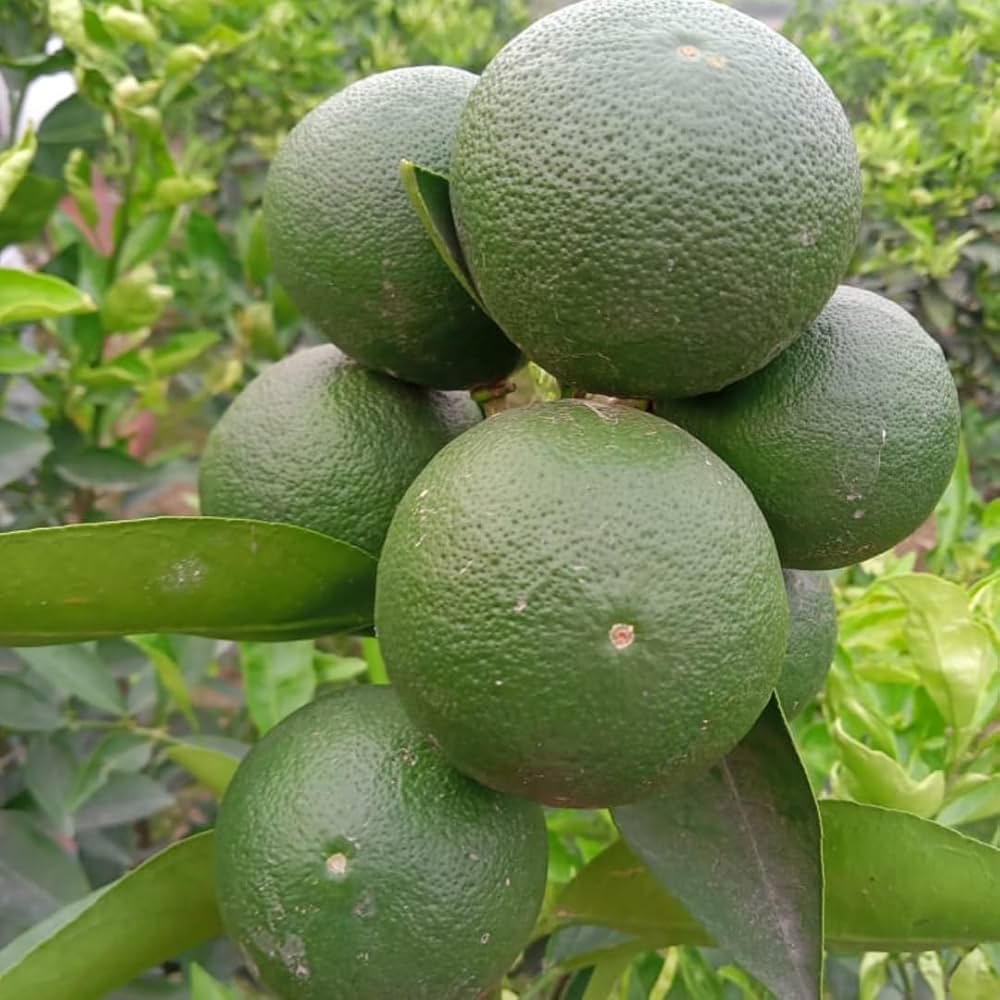
Propagation allows you to create new lemon plants from a healthy mother plant. Compared to growing from seeds, propagation ensures:
✔️ Faster Fruiting
Seed-grown lemon trees can take 4–7 years to fruit.
Propagated trees fruit as early as 1–2 years because they retain the maturity of the parent plant.
✔️ True-to-Type Fruits
Propagation from cuttings or air-layering ensures the new plant produces the same quality lemons as the mother plant.
✔️ Cost-Effective Gardening
From a single lemon tree, you can produce dozens of new plants for free.
✔️ Perfect for Small Spaces
Propagated plants adapt wonderfully to containers and pots.
Best Methods to Propagate Lemon Trees
There are several ways to propagate lemon trees, but the most effective ones are:
1. Propagation from Stem Cuttings (Most popular)
2. Air Layering / Marcotting
3. Seed Propagation (Slow but simple)
4. Grafting (For experts)
Let’s go step-by-step through each method.
1. Propagating Lemon Trees from Stem Cuttings (Beginner-Friendly & Highly Effective)

This is the easiest and most reliable technique for home gardeners. Lemon cuttings root very well if done the right way.
Step 1: Choose the Right Cutting
Select the perfect branch:
- Semi-hardwood (partly mature, not too soft)
- 6–8 inches long
- With at least 3–4 healthy nodes
- Pest-free and disease-free
- Taken from a productive, fruit-bearing tree
💡 Tip: Morning is the best time to take cuttings because the plant has maximum moisture.
Step 2: Prepare the Cutting Properly
- Remove leaves from the bottom half of the cutting.
- Keep only two or three small leaves at the top.
- Make a 45-degree clean cut using sharp, disinfected pruners.
- Optionally dip the cut end in rooting hormone or natural alternatives like honey or aloe vera.
This step encourages faster and stronger root formation.
🪴 Step 3: Prepare the Perfect Soil Mix
Use a light, airy mixture that promotes quick rooting:
- 40% coco peat
- 30% river sand
- 20% garden soil
- 10% compost or vermicompost
The mixture must drain well to prevent fungal infections.
Step 4: Plant the Cutting
- Insert the cut end 2–3 inches deep into the prepared soil.
- Press soil gently to keep the cutting steady.
- Water lightly so the soil becomes moist, not soggy.
Step 5: Create a Humid Environment
Humidity is the secret to fast rooting!
Cover the pot with:
- A transparent polythene bag
- A plastic bottle (cut from the bottom)
- A mini greenhouse lid
This keeps the moisture locked in and prevents the young cutting from drying out.
Ensure the plastic doesn’t touch the leaves.
Step 6: Give Indirect Sunlight
Place the pot in bright, indirect sunlight.
Avoid harsh afternoon sun, which may dry or burn the cutting before roots form.
Step 7: Root Development Timeline
Here’s how long rooting takes:
- 2–3 weeks: New buds or tiny leaves appear
- 4–6 weeks: Roots begin forming
- 8–10 weeks: Roots mature, cutting becomes a stable plant
Once roots are strong, move the cutting to a larger pot or the ground.
2. Air Layering (Marcotting): The Most Reliable Method
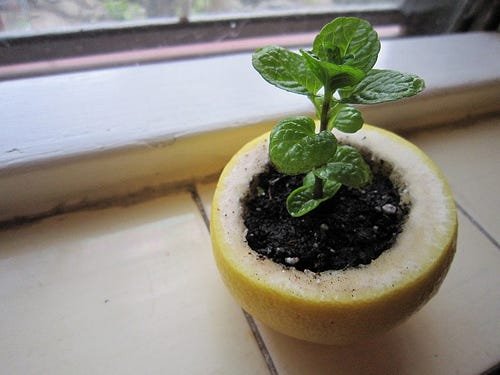
Air layering is almost 100% successful and is ideal if you want strong, mature lemon trees quickly.
Step 1: Choose a Healthy Branch
Select a:
- 1-year-old woody branch
- Pencil-thick or thicker
- Disease-free
Step 2: Remove the Bark
- Cut a 1-inch ring around the branch.
- Peel off the bark entirely.
- Scrape off the green cambium layer lightly.
This prevents the branch from healing and forces root formation.
Step 3: Apply Rooting Hormone (Optional)
Coat the exposed area for faster rooting.
Step 4: Wrap with Rooting Medium
Use moisture-retaining materials like:
- Coco peat
- Sphagnum moss
- Wet garden soil + compost
Wrap it around the exposed section and secure with polythene.
Step 5: Maintain Moisture
Check every 10–15 days to ensure the medium stays moist.
Root Development Time
- 4–6 weeks in summer
- 8–12 weeks in winter
Once roots become visible, cut the branch below the rooted area and plant it in a pot.
3. Propagating Lemon Trees from Seeds
Although slower, it’s fun and educational.
How to do it:
- Select seeds from an organic lemon.
- Wash and dry slightly.
- Sow in moist coco peat.
- Keep covered for humidity.
- Germinate in 10–20 days.
🌱 But: Seed-grown plants take years to fruit and may not resemble the mother plant.
4. Grafting Lemon Trees
This technique is used for commercial-quality plants. Grafting combines:
- A strong rootstock
- A high-quality fruiting scion
It ensures maximum yield and fast fruiting.
Caring for Newly Propagated Lemon Plants

Once your propagated plant starts growing, proper care helps it develop faster.
Sunlight
Lemon trees need:
- 6–8 hours of sunlight
- Morning sun and filtered light in afternoon
Watering
- Water only when the top soil feels dry.
- Keep soil moist but never soggy.
- Overwatering causes root rot and yellow leaves.
🪴 Soil Mix for Best Growth
A healthy mix includes:
- 40% garden soil
- 30% compost
- 20% coco peat
- 10% sand
Fertilizing Routine
Once established, fertilize monthly:
- Vermicompost
- Cow dung powder
- Banana peel fertilizer
- Seaweed solution (for leaf growth)
Add potash-rich fertilizer during flowering for more fruits.
Pruning Tips
- Remove weak, dead, or diseased branches.
- Trim crossing or inward-growing branches.
- Remove suckers from the base regularly.
Pruning encourages airflow, growth, and fruit production.
Common Problems & How to Fix Them

Yellowing Leaves
✔️ Overwatering or nutrient deficiency
Use compost + reduce watering.
Curling Leaves
✔️ Pest attack
Spray neem oil weekly.
No Fruits
✔️ Lack of sunlight or potash
Move to a sunnier location + add potash.
Final Thoughts: Growing Your Own Lemon Orchard
Propagating a lemon tree is simple, rewarding, and gives you full control over the quality of your plants. Whether you use cuttings, air layering, seeds, or grafting, each method brings its own joy and satisfaction. With consistent care, your propagated lemon tree will thrive and produce fresh, juicy lemons year after year.
You can turn just one mother plant into a mini orchard—all from the comfort of your home!