Every gardener—from beginners to experts—dreams of discovering that one great technique that transforms their garden into a lush, thriving paradise. Whether you’re growing fruits, vegetables, flowers, or herbs, your plant’s health depends on a few powerful strategies. Among them, there is one highly effective yet often overlooked method that guarantees faster growth, stronger roots, and higher yields.
In this article, we will explore this great technique—a simple yet revolutionary approach that works for all types of plants. You’ll learn how to apply it, why it works, and how it can dramatically improve your gardening success.
The Great Technique: Root Conditioning & Stimulation
The great technique we’re focusing on is called Root Conditioning and Stimulation, a combination of simple actions that enhance root development. Strong roots mean:
- Faster growth
- More nutrients absorption
- More flowers
- Bigger fruits
- Stronger immunity
Most gardeners focus on leaves and branches, but the roots are the true engine of plant growth. When roots are healthy, the whole plant thrives.
Why Root Conditioning Works So Well
Roots absorb:
- Water
- Nutrients
- Minerals
- Oxygen
But roots are sensitive to:
- Poor soil
- Compaction
- Overwatering
- Lack of oxygen
- Weak nutrients
Root conditioning solves these issues by:
Allowing roots to breathe
Improving soil structure
Encouraging new feeder roots
Providing balanced nutrition
Preventing root rot
Boosting microbial life in soil
This technique works for all types of plants—fruit trees, flowering plants, vegetables, herbs, and indoor plants.
What Is Root Conditioning?
Root conditioning is a combination of practices:
- Pruning and trimming roots at the right time
- Using high-quality soil amendments
- Applying beneficial microbes
- Using natural stimulants to trigger root branching
- Improving aeration and drainage
Let’s go through each part in detail.
1. Root Pruning: The Foundation of the Technique
Many plants become root-bound in pots. This means:
- Roots circle the pot
- Growth becomes slow
- Soil becomes compact
- Water cannot reach the core
- Leaves become yellow
✔ Root pruning solves this.
How to do it:
- Gently remove the plant from the pot
- Trim the outer 10–20% of the root mass
- Cut circling or tangled roots
- Do not cut the thick taproot
- Sprinkle cinnamon or fungicide powder on trimming cuts
This stimulates the plant to grow new feeder roots, which absorb nutrients faster.
Best time to root prune:
- Early spring
- Before monsoon
- After flowering season
Never root prune during harsh summer or winter.
2. Soil Conditioning: The Secret Ingredient
Good soil = good roots.
Most garden failures are due to poor soil. To condition soil:
✔ Add 30–40% organic matter:
- Vermicompost
- Leaf compost
- Cow dung compost
✔ Add aeration materials:
- Cocopeat
- Perlite
- Rice husk
- Sand
✔ Add natural fertilizers:
- Neem cake
- Mustard cake
- Banana peel powder
- Bone meal
Conditioned soil becomes:
- Light
- Airy
- Nutrient-dense
- Moisture-retaining
- Root-friendly
3. Beneficial Microbes: Nature’s Invisible Helpers
Healthy soil contains billions of microbes that:
- Fix nitrogen
- Break down organic matter
- Release locked nutrients
- Prevent diseases
- Balance pH
To activate microbial life, add:
- Jeevamrut
- Compost tea
- Cow dung slurry
- Seaweed extract
- Mycorrhiza powder
Mycorrhiza is especially powerful because it forms a partnership with roots and increases nutrient absorption by 500–700%.
4. Natural Root Stimulants
Root stimulants trigger plants to grow more feeder roots. These include:
✔ Seaweed extract
Boosts overall growth and stress resistance.
✔ Aloe vera gel
Contains plant hormones that support rooting.
✔ Cinnamon powder
Prevents fungus, encourages growth.
✔ Honey
A natural antimicrobial booster.
✔ Willow water (salicylic acid)
Creates strong and thick roots.
Using these regularly increases root mass dramatically.
5. Improving Aeration & Drainage
Roots need oxygen. Without proper drainage:
- Soil becomes soggy
- Roots suffocate
- Fungal infections occur
- Growth slows
- Leaves yellow
Improve drainage by:
- Adding sand or perlite
- Drilling extra holes in pots
- Using terracotta pots
- Avoiding waterlogging
- Using elevated trays
Healthy drainage = healthy roots.
How to Apply the Great Technique Step-by-Step
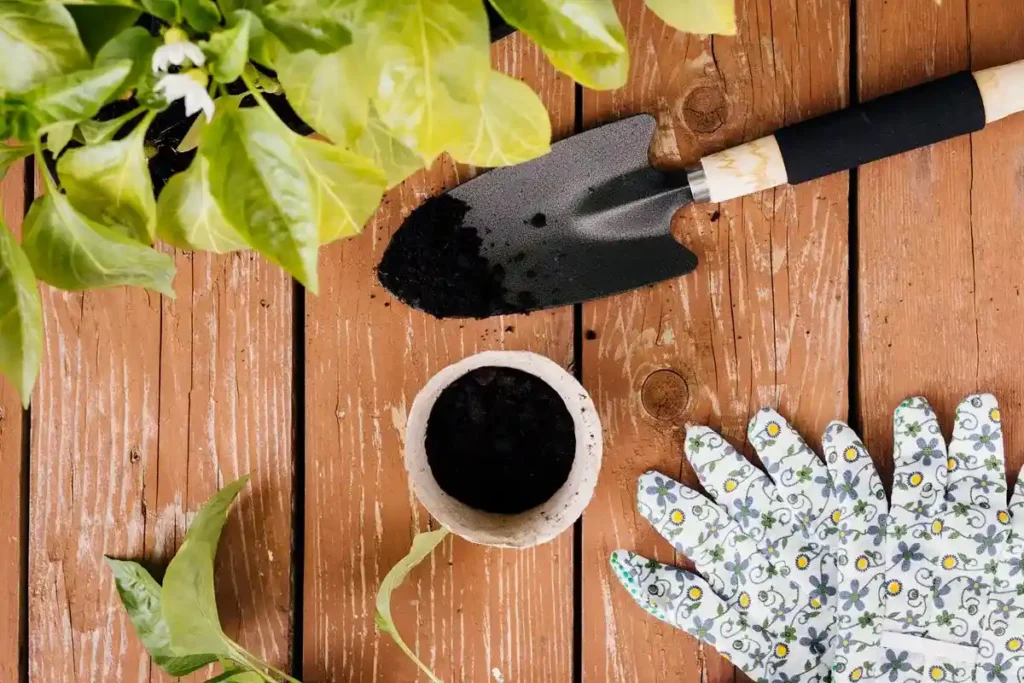
Here is the complete, practical process:
STEP 1: Prepare the Soil
Mix:
- 40% organic compost
- 30% cocopeat
- 20% sand or perlite
- 10% garden soil
- 1 handful neem cake
This creates a nutrient-rich base.
STEP 2: Root Pruning
If your plant is root-bound:
- Remove from pot
- Trim outer roots
- Cut circling roots
- Dust cinnamon on cuts
STEP 3: Add Microbial Boosters
Mix any one of these into soil:
- 2 tbsp mycorrhiza
- 1 cup compost tea
- ½ cup jeevamrut
This supercharges soil life.
STEP 4: Replant in Conditioned Soil
Place the plant into the new soil.
Press lightly around roots.
STEP 5: Water with Root Stimulant
Use one of these mixtures:
✔ Seaweed solution (1 tsp per liter)
✔ Aloe vera water (2 tbsp gel per liter)
✔ Honey water (1 tbsp per liter)
Water lightly—do not flood.
STEP 6: Aftercare
- Keep in partial shade for 3–5 days
- Slowly shift to full sun
- Water only when topsoil feels dry
- Fertilize every 20–30 days
Within 2–4 weeks, you’ll see:
- New leaves
- Stronger stems
- More branches
- Faster growth
Why This Great Technique Works for All Plants
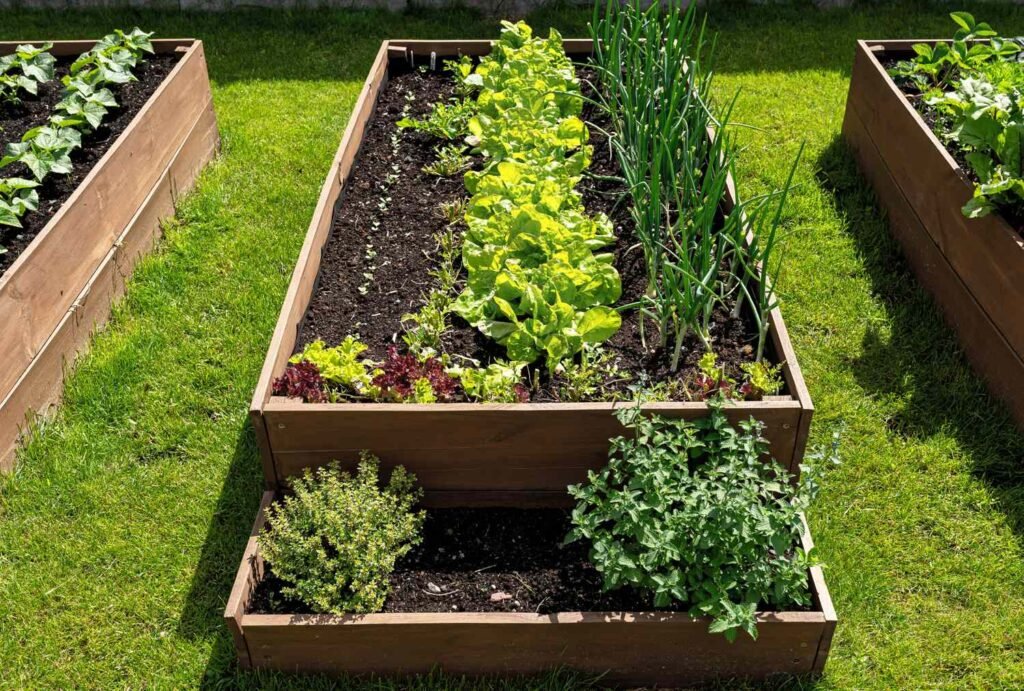
Whether you are growing:
🍋 Lemon trees
🍅 Tomatoes
🌹 Roses
🌼 Dahlias
🍇 Grapes
🌱 Herbs
🌴 Indoor plants
All depend on root health.
This technique:
- Boosts root mass
- Strengthens immunity
- Prevents shock
- Supports flowering
- Increases fruiting
- Enhances soil life
Your plants become:
- Taller
- Greener
- Stronger
- More productive
Common Mistakes to Avoid
❌ Overwatering after root pruning
❌ Using heavy clay soil
❌ Root pruning during extreme weather
❌ Mixing chemical fertilizers with microbes
❌ Exposing freshly pruned roots to harsh sun
Avoid these for best results.
How Often Should You Use This Technique?
For container plants:
✔ Every 12–18 months
(Re-pot, prune roots, refresh soil)
For fruit trees in ground:
✔ Once every 2–3 years
(Add compost, microbes, and aerate soil)
For flowering plants:
✔ Every season before flowering
Conclusion
This Great Technique—Root Conditioning & Stimulation—is one of the most powerful gardening secrets. With just a few simple steps, you can transform weak, slow-growing plants into vibrant, productive, and long-living beauties.
Whether you are a beginner or a passionate gardener, applying this method will help you:
- Grow faster
- Bloom better
- Fruit more
- Keep plants healthier
Strong roots create strong plants. And with this great technique, your garden will flourish like never before!