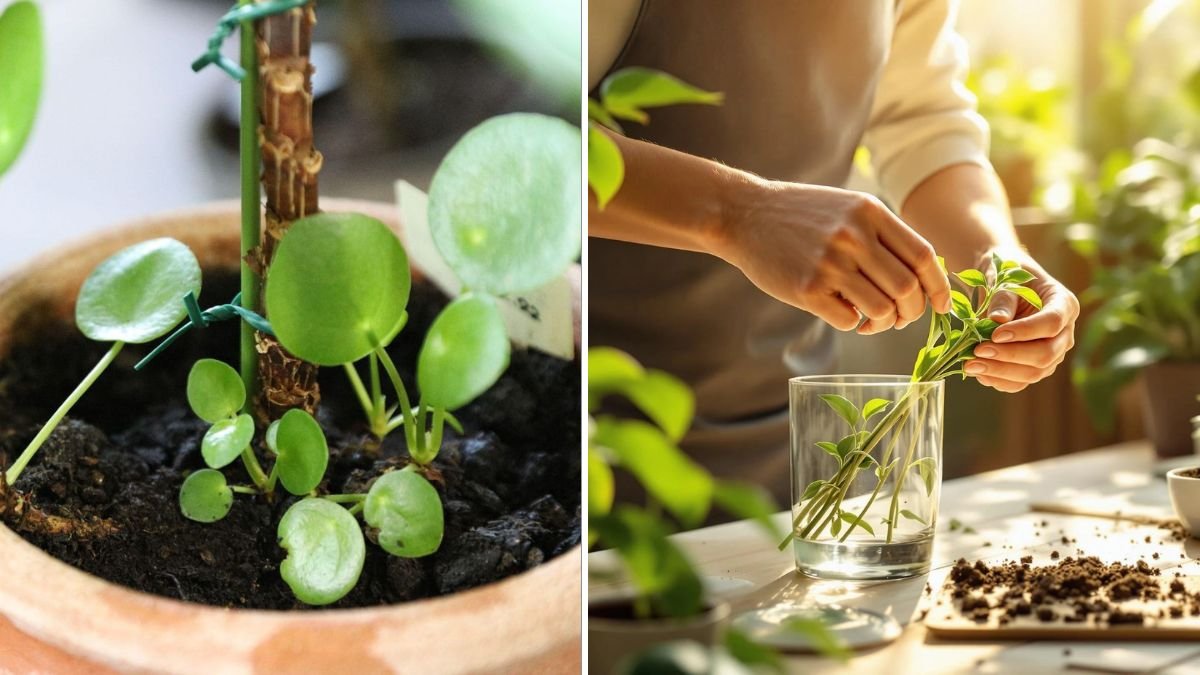
Plant lovers often dream of turning one healthy plant into many. The good news? You don’t need magic, expensive tools, or professional gardening experience. With the right technique, anyone can multiply plants at home—and enjoy a beautiful, lush garden without spending more money.
In this article, you’ll learn a great, simple, beginner-friendly way to propagate plants successfully, whether you’re growing ornamentals, fruit trees, vegetables, or indoor plants. Let’s dive into the method that gardeners swear by: stem cutting propagation.
Why Stem Cutting is a Great Method of Propagation
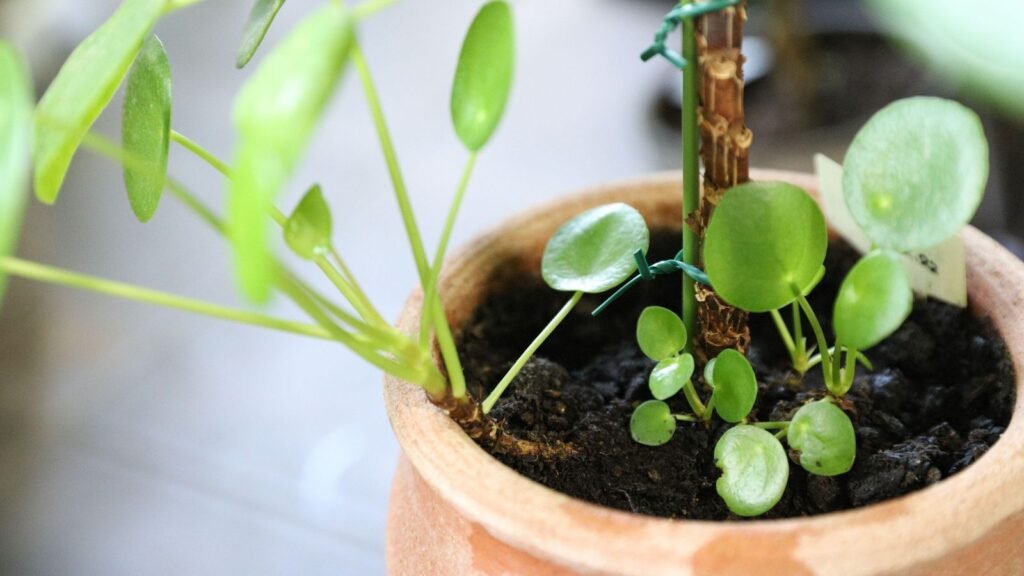
Propagation from stem cuttings is one of the easiest and fastest ways to grow new plants. Here’s why it’s so popular:
- Faster growth: New plants root quickly because they come from mature tissue.
- True-to-type: The new plant is genetically identical to the parent—same taste, same flower color, same growth pattern.
- Cost-effective: No need to buy new plants; one mother plant can give you dozens.
- Beginner-friendly: Requires very few materials and minimal maintenance.
Whether you want more guava, lemon, bougainvillea, hibiscus, rose, papaya, or even indoor plants like money plant and pothos—stem cuttings work for all.
The Best Step-by-Step Method to Propagate Plants from Cuttings
Below is a detailed, 1200-word explanation designed to help you master the process.
1. Choose the Right Plant for Propagation
Start with a healthy, disease-free mother plant. A strong parent plant ensures strong offspring. Avoid cutting from plants that show:
- Fungal infections
- Yellowing leaves
- Stunted growth
- Pest infestations
The healthier the plant you choose, the higher your success rate.
2. Prepare the Perfect Cutting
Use a clean, sharp knife or pruning shear. This prevents plant tissue damage and infection.
For most plants:
- Choose a semi-hardwood or softwood stem.
- Length should be 4–7 inches.
- Ensure it includes at least 2–3 nodes (the points where leaves grow).
- Remove leaves from the bottom half.
- Keep only 1–2 leaves at the top to reduce moisture loss.
Tip:
Take cuttings early morning when the plant is fully hydrated.
3. Use a Rooting Hormone (Optional but Powerful)
A rooting hormone significantly increases success, especially for plants like:
- Lemon and other citrus
- Guava
- Roses
- Bougainvillea
- Hibiscus
You can use:
- Commercial rooting powder (IBA-based)
- Homemade options (aloe gel, honey, willow water)
Dip the freshly cut end into the rooting hormone and tap off excess powder.
4. Prepare the Best Soil Mix for Fast Rooting
A light, airy, well-draining mix gives the highest success with new cuttings.
Recommended Propagation Mix:
- 40% coco peat or peat moss
- 30% perlite or river sand
- 30% garden soil or compost
This mix retains moisture but doesn’t stay soggy—perfect for delicate cuttings.
5. Plant the Cutting Correctly
Make a small hole in the soil using your finger or a stick. Insert the cutting 1.5–2 inches deep, ensuring at least one node is inside the soil.
Press the soil gently to avoid air pockets.
Tip:
Plant several cuttings at once. Even if some fail, others will succeed.
6. Water the Cutting Just Right
Water the soil lightly—just enough to make it moist, not dripping. Overwatering leads to rot.
The Rule:
- Moist soil = roots
- Wet soil = rot
Use a spray bottle for best results.
7. Create a Mini Greenhouse for Higher Success
Cuttings root best in high humidity.
Create a mini greenhouse using:
- A transparent plastic bag
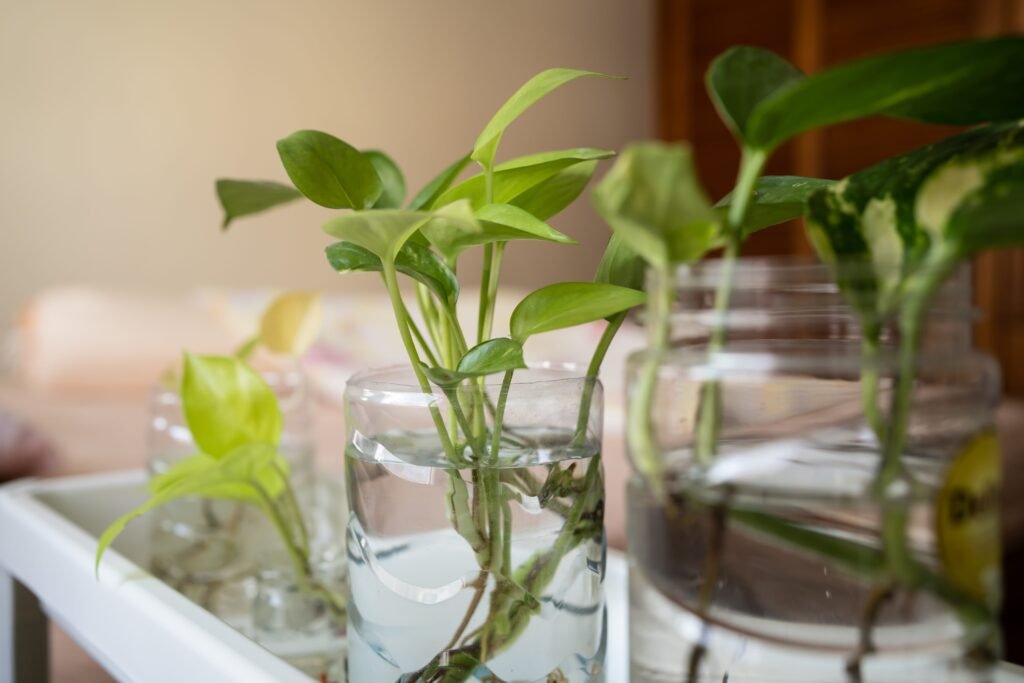
- A plastic bottle cut in half
- A propagation tray with a lid
Cover the cutting, leaving some air space. This traps moisture and encourages root formation.
Important:
Do NOT expose the covered cutting to direct sunlight—this can “cook” the plant.
8. Provide Ideal Light and Temperature
Place your cuttings in:
- Bright, indirect sunlight
- A warm spot (23–30°C)
- Away from strong winds
Most cuttings root faster in warm temperatures.
9. Be Patient: Rooting Takes Time
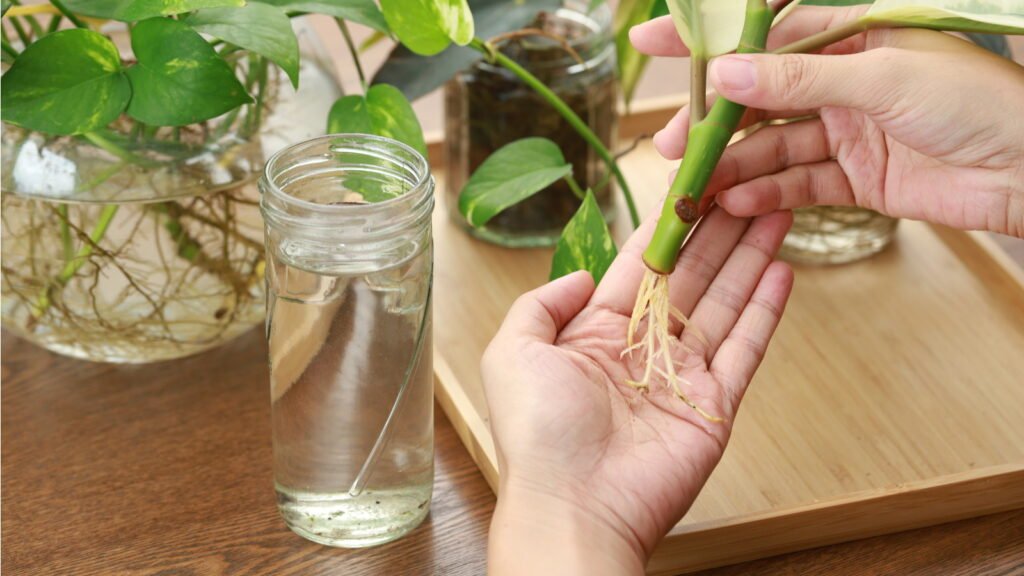
Different plants take different amounts of time to develop roots.
Typical Rooting Time:
- Soft indoor plants: 7–10 days
- Bougainvillea, hibiscus: 2–4 weeks
- Guava, lemon, citrus: 4–8 weeks
- Hardwoods: 8–12 weeks
Do not pull or disturb the cutting.
Check rooting by gently tugging after a few weeks—resistance means roots are forming.
10. Transplant the New Plant Carefully
Once the cutting has developed a strong root system (usually visible from the bottom holes of the pot), it’s time to transplant.
Use a bigger pot with:
- 30% compost
- 40% garden soil
- 30% sand / perlite
Water lightly after transplanting and keep the plant in semi-shade for a few days.
Expert Tips to Increase Your Propagation Success Rate
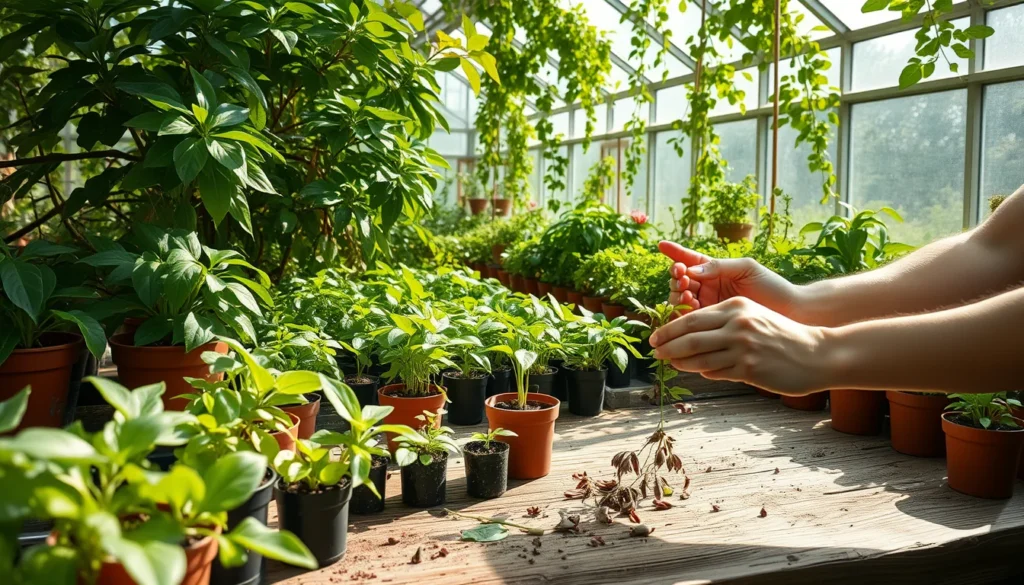
Choose the right season
The best time for propagation is:
- Early spring
- Rainy season
- Early autumn
Avoid propagating during peak summer or winter.
Sterilize tools
Prevents fungal infection in cuttings.
Use fresh, young stems
Old stems root slowly.
Ventilate your mini greenhouse
Open the cover for 10 minutes daily to prevent mold.
Don’t overwater
The #1 reason beginners fail is too much water.
Which Plants Propagate Best Using This Method?
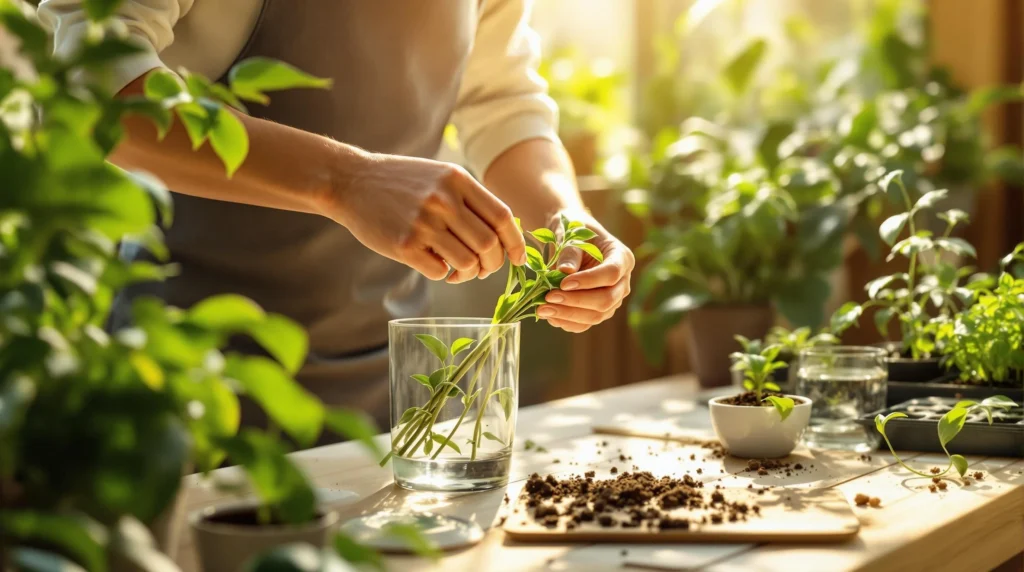
Super easy plants:
- Money plant (pothos)
- Syngonium
- Wandering Jew
- Basil
- Mint
Moderately easy plants:
- Hibiscus
- Bougainvillea
- Rose
- Jasmine
More challenging but possible:
- Guava
- Lemon
- Other citrus
- Mango (semi-hardwood)
By mastering this method, you can multiply nearly any plant at home.
Final Thoughts
Propagation is one of the most rewarding parts of gardening. With this great method, you can take a single plant and turn it into an entire garden—beautiful, thriving, and budget-friendly.
Not only does it save money, but it also strengthens your connection with nature. Watching a small cutting grow into a new plant brings a unique joy that every gardener should experience.