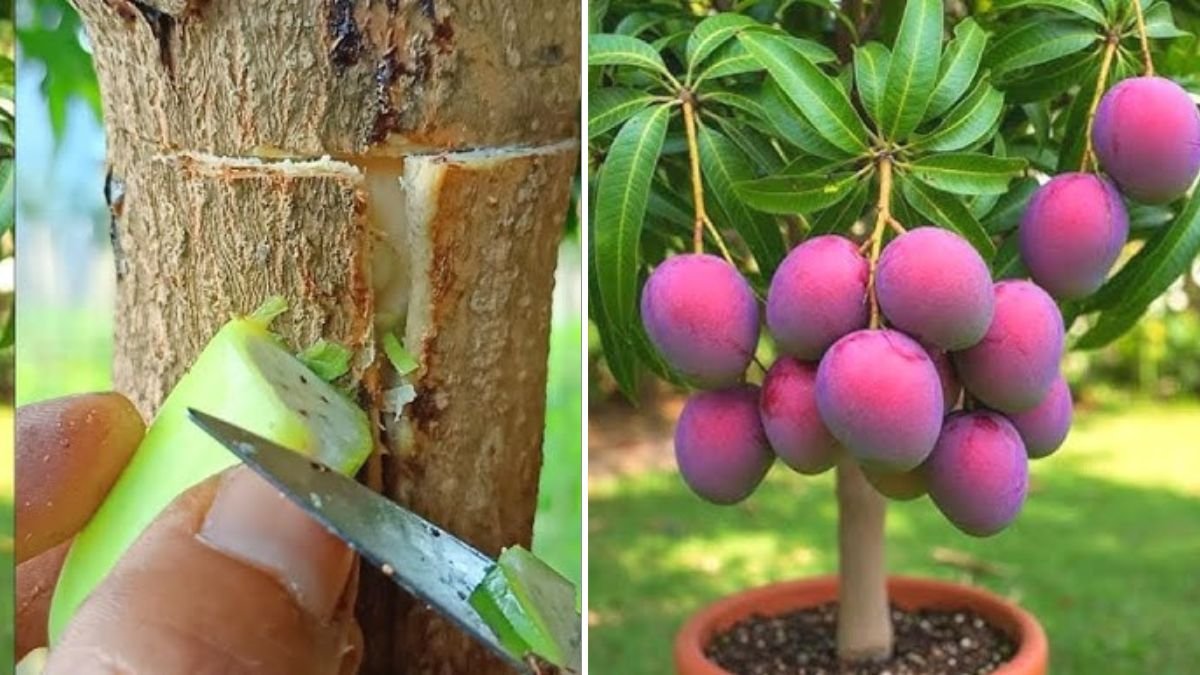
Propagating fruit trees is one of the most exciting and rewarding parts of gardening. There’s nothing like turning a single branch into a thriving new plant that one day produces delicious fruits. But with so many methods—seeds, cuttings, grafting, air-layering, budding—most gardeners wonder: What’s truly the BEST way to propagate fruit trees?
After years of observation, experimentation, and learning from successful growers, one method consistently stands out above the rest:
AIR-LAYERING — The Absolute BEST Method for Home Gardeners
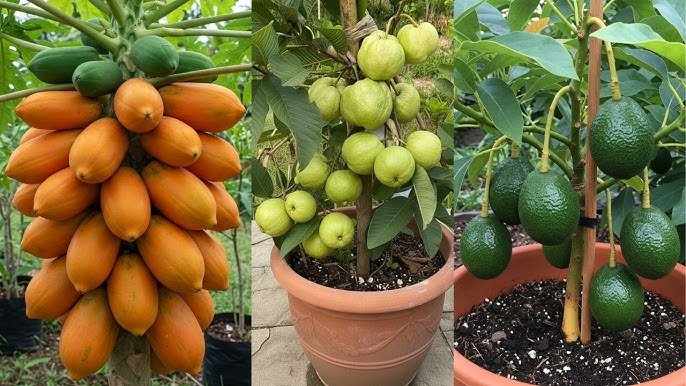
Air-layering isn’t just good—it’s nearly foolproof. It offers the highest success rate, works on most fruit trees, and produces strong young plants that grow and fruit much faster than seed-grown or cutting-grown trees.
Whether you want to propagate lemon, guava, mango, lychee, pomegranate, jackfruit, or many other trees—air-layering is the method you can trust for quick, healthy results.
This guide will show you:
- Why air-layering beats all other techniques
- How to do it step by step
- The secret enhancements that make rooting even faster
- How to care for your new tree for best growth
Let’s dive into the most reliable propagation technique every gardener should master.
Why Air-Layering Is the Best Propagation Method
Before learning the steps, it’s important to understand why air-layering is so effective.
1. Highest Success Rate (90–100%)
Compared to cuttings, which often rot or dry out, air-layering keeps the branch attached to the mother plant while forming new roots. This provides continuous nutrition and prevents shock.
2. Works on Most Fruit Trees
Some trees simply refuse to grow from cuttings—like mango, guava, lychee, and many citrus varieties.
Air-layering works even on difficult species.
3. Produces Fruit Faster
Since you are cloning a mature branch, the new plant behaves like an adult tree, reducing fruiting time.
4. Strong Root System
The roots formed in air-layers are thick, healthy, and ready to grow aggressively once planted.
5. Zero Special Skills Needed
No expert grafting knowledge is required.
Even beginners get success on their first attempt.
6. No Need for Rooting Hormone (but it helps!)
Nature does most of the work, making it ideal for natural gardeners.
Which Fruit Trees Can You Propagate Using This Method?
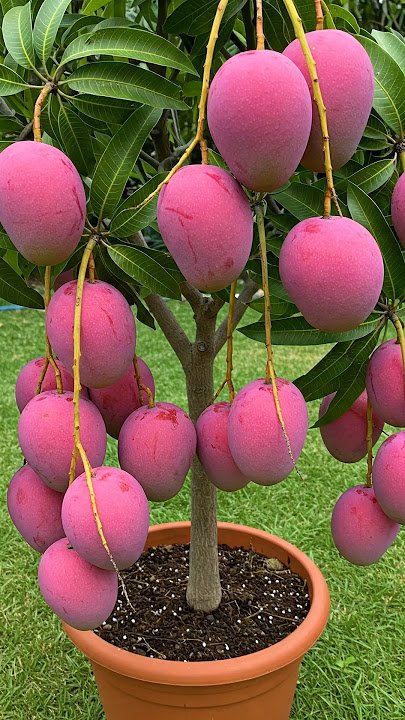
Almost all woody fruit trees respond beautifully to air-layering:
- Lemon & other citrus
- Guava
- Mango
- Lychee
- Pomegranate
- Fig
- Jackfruit
- Mulberry
- Sapota (chikoo)
- Jamun
- Avocado
- Starfruit
- Custard apple
- Plum
- Grapes (air-layering + hardwood cutting combo)
If your tree has a woody stem and a healthy branch—air-layering will work.
Step-by-Step: The Absolute Best Way to Air-Layer Your Fruit Tree
This is the most reliable version of air-layering. Follow carefully for guaranteed success.
Step 1: Choose the Right Branch
Select a healthy, pencil-thick branch that is:
- Flexible but semi-hardwood
- 1–2 years old
- Free of pests
- Located in good sunlight
- Growing vigorously
Avoid old, grey, woody branches—they root slowly.
Step 2: Make the Perfect Girdle Cut
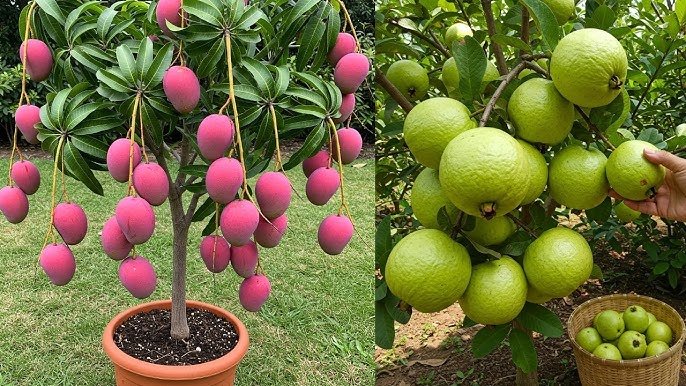
This is the most crucial step.
Remove a 1–1.5 inch ring of bark around the branch.
Use a sharp knife to gently scrape off the green cambium layer until you see white wood.
Why this works:
The tree sends nutrients downward through the bark. When the bark is removed:
- Food accumulates above the cut
- Hormones gather at the wound
- Root growth is triggered rapidly
This is nature’s cloning mechanism in action.
Step 3: Apply Rooting Hormone (Secret Booster)
While optional, this step dramatically speeds up rooting.
Use:
- IBA rooting hormone
- Honey (natural anti-bacterial + mild stimulator)
- Aloe vera gel (growth promoter)
A thin coating over the cut is enough.
Step 4: Prepare the Best Rooting Medium
Your air-layer’s success depends on keeping the environment moist but airy.
The BEST rooting mix:
- 50% Cocopeat
- 30% Vermicompost
- 20% Perlite or coarse sand
Why this mix?
- Cocopeat retains moisture
- Vermicompost nourishes new roots
- Perlite keeps air pockets open
This combination produces fast, thick roots every time.
Step 5: Pack the Layer
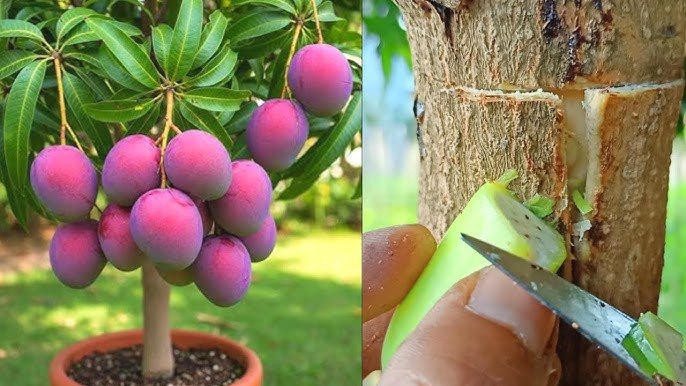
Wrap the rooting mixture around the cut.
Cover it with:
- Plastic wrap
- A small poly bag
- Cling film
- A reused water bottle cut open
Seal both ends tightly with thread, tape, or zip ties.
The aim is:
Zero air leakage
Zero drying
100% moisture retention
Check only once a week.
Step 6: Wait for Root Formation (3–8 Weeks)
Rooting time varies by plant variety and season.
Fast rooters (3–5 weeks):
- Lemon
- Guava
- Mulberry
- Pomegranate
Medium (6–8 weeks):
- Lychee
- Mango
- Avocado
Once you see thick white or light brown roots filling the bag, your air-layer is ready.
Step 7: Remove the New Sapling
Use pruning shears to cut the branch below the rooted ball.
Do NOT disturb the root ball—this is essential to avoid shock.
How to Plant Your New Rooted Tree for Maximum Growth
Your air-layer has already developed mature, strong roots. Now it needs a healthy start in soil.
Use the Perfect Potting Mix
The ideal pot mix:
- 40% garden soil
- 30% compost (vermicompost or cow dung)
- 20% cocopeat
- 10% coarse sand
Optional boosters:
- A handful of neem cake (prevents root fungus)
- A teaspoon of bone meal (slow-release phosphorus)
Planting Steps
- Place the root ball gently in the hole.
- Fill soil without pressing too hard.
- Water lightly.
- Keep the pot in bright shade for 10 days.
- Slowly introduce morning sunlight.
Within a month, you’ll see vigorous new shoots.
Post-Care Tips for Explosive Growth
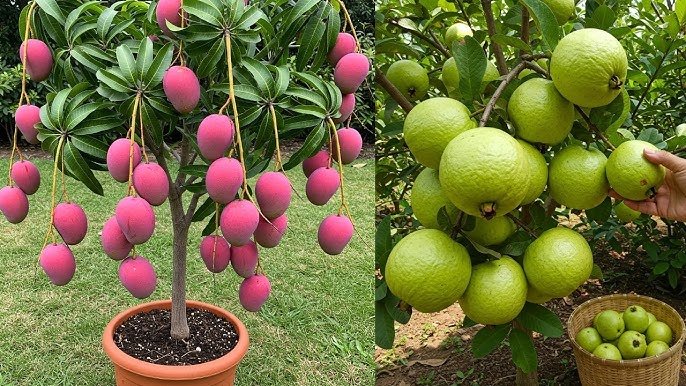
To ensure your new fruit tree grows fast and healthy:
Water only when topsoil feels dry
Avoid overwatering—it suffocates roots.
Apply organic fertilizer monthly
Use:
- Vermicompost
- Seaweed liquid
- Banana peel tea
- Mustard cake liquid
Protect from pests
Use neem oil spray weekly.
Prune early shoots
Encourages strong branching structure.
Repot after 8–12 months
Move to a bigger pot or into the ground.
Your new tree will grow fast because it was propagated from a mature branch.
Why Air-Layered Trees Fruit Sooner
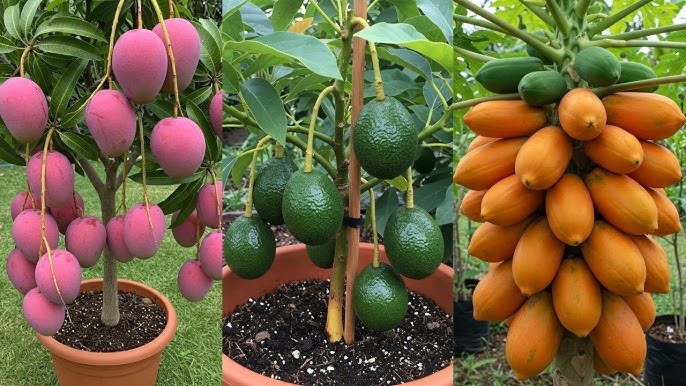
Unlike seed-grown trees that behave like infants, air-layered plants:
- Come from adult wood
- Already have fruiting potential
- Maintain genetic identity
- Grow faster
- Flower earlier
Most air-layered trees produce fruits 1–3 years earlier than seed-grown plants.
Conclusion: The BEST Propagation Method for All Fruit Gardeners
Air-layering is the closest thing to a “magic trick” in gardening.
It is:
Reliable
Beginner-friendly
Fast
Works on tough species
Produces strong roots
Ensures identical fruit quality
Encourages early fruiting
If you want a high-success propagation technique that works every time, air-layering is the absolute BEST way to propagate your fruit trees.