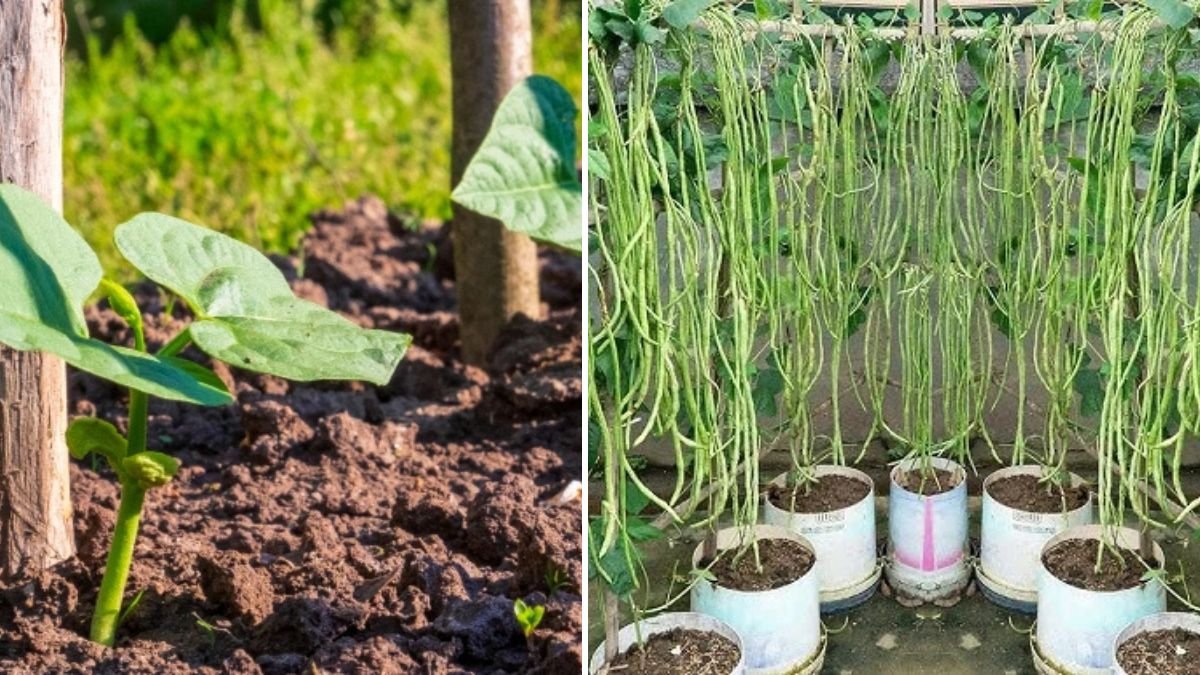
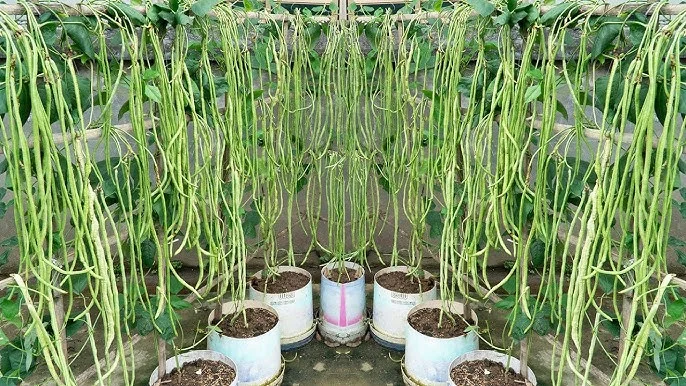
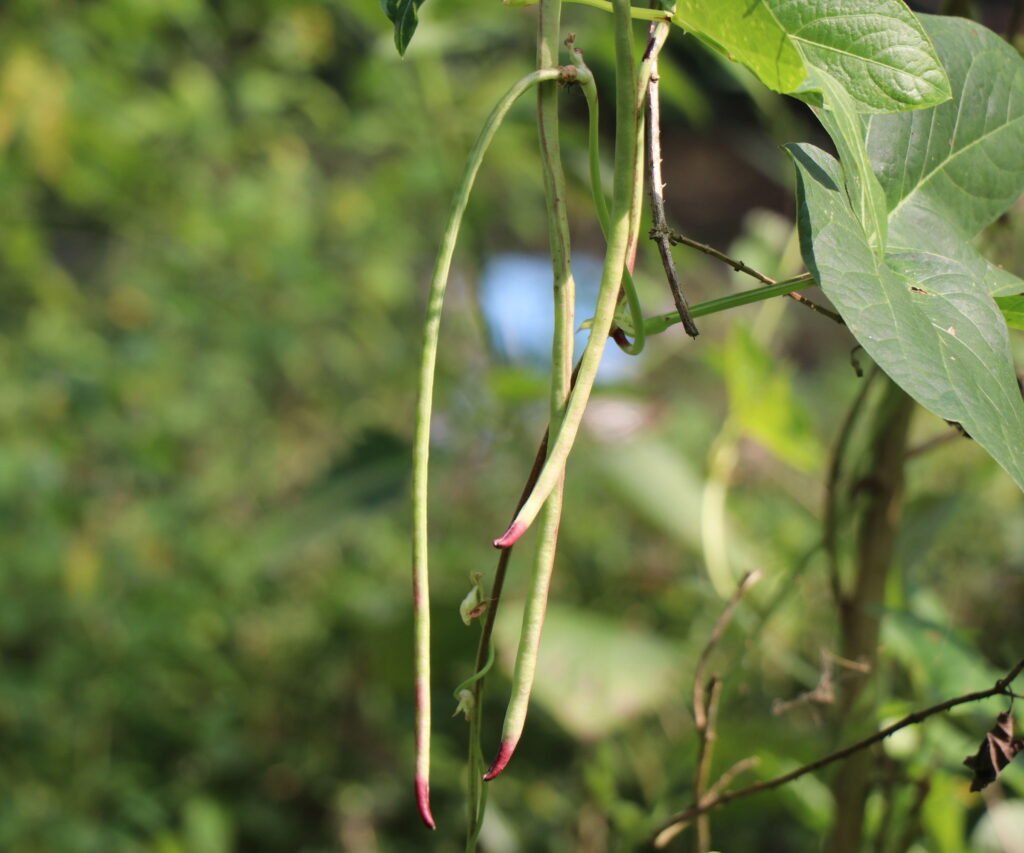
Long beans—also called yardlong beans, asparagus beans, or Chinese long beans—are one of the easiest and fastest legumes you can grow at home. They thrive in warm climates, produce heavily, and require minimal space, making them perfect for home gardeners, balcony growers, and container gardeners.
But before enjoying long green pods that grow up to 80–100 cm, you must first raise strong, healthy seedlings. Proper seedling care determines how well your plants will grow, how many flowers they will produce, and ultimately, how large and abundant your harvest will be.
This complete guide walks you through seed selection, germination, seedling care, transplanting, and common mistakes to avoid—everything beginners need for success.
1. Preparing for Success: Choose Quality Seeds
Healthy long bean plants start with quality seeds. Follow these steps:
Choose fresh, untreated seeds
Old seeds germinate slowly and may produce weak plants.
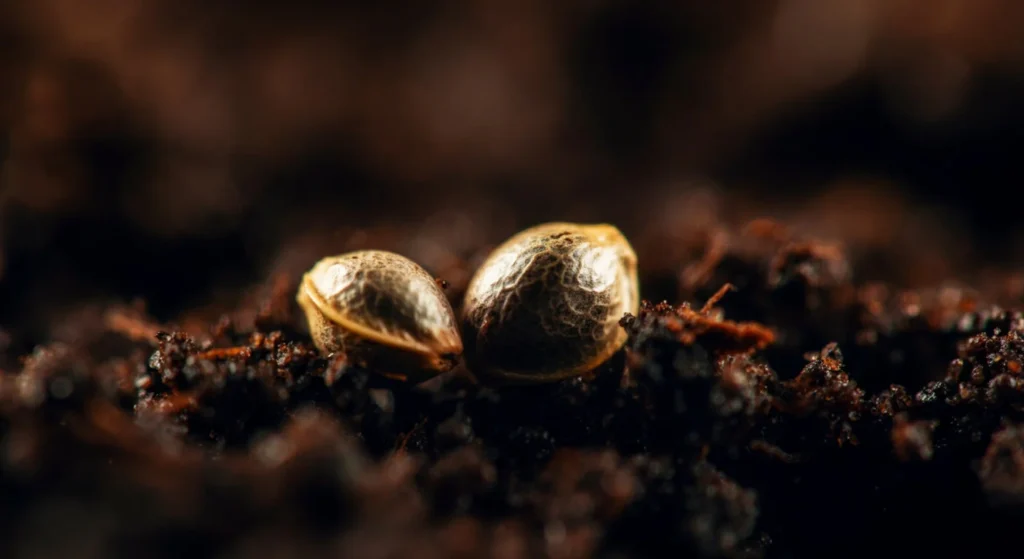
Soak seeds before sowing
Soak for 4–6 hours in room-temperature water to speed up germination.
Optional: Pre-sprout seeds
Wrap soaked seeds in a damp cloth for 12–24 hours until tiny roots appear.
This step ensures fast and uniform germination, especially in cooler climates.
2. Best Soil Mix for Strong Long Bean Seedlings
Long beans need loose, well-draining soil. An ideal seedling mix:
- 40% cocopeat – retains moisture
- 30% compost/vermicompost – provides nutrients
- 20% garden soil – adds structure
- 10% perlite or sand – improves aeration
Important:
Bean seedlings do not like waterlogged soil, so keep your mix airy and light.
3. Sowing Long Bean Seeds Correctly
Container depth
Use 8–10 cm deep seed trays or small pots.
Sowing depth
Plant each seed 2–3 cm deep, one per hole.
Spacing
If using small pots or grow bags, maintain 5–7 cm spacing.
Moisture
Water lightly until soil is moist—never soggy.
Germination Time:
Long beans germinate fast, usually 3–5 days in warm conditions.
4. Early Seedling Care: What to Do in the First 2 Weeks
The first two weeks are crucial. Here’s how to keep seedlings healthy:
1. Give plenty of sunlight
Place seedlings where they receive 4–6 hours of bright light.
Without enough light, they become tall, weak, and leggy.
2. Maintain warm temperature
Perfect temperature: 22–30°C
Long beans hate cold and stop growing below 15°C.
3. Keep soil moist, not wet
Water only when the top layer feels slightly dry.
Overwatering causes root rot and damping-off disease.
4. Use a gentle fertilizer (optional)
At 7–10 days, use:
- Diluted liquid compost tea, or
- Seaweed extract, or
- Very weak NPK 10-10-10
Apply once every 10–12 days.
5. When to Transplant Long Bean Seedlings
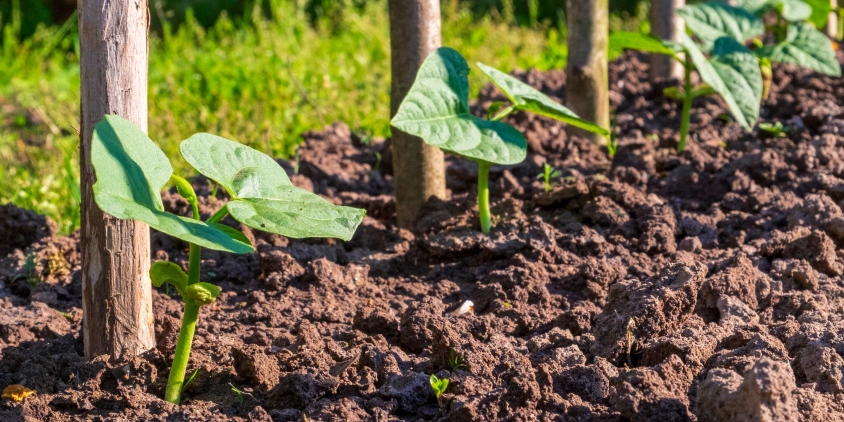
Your seedlings are ready to transplant when they show:
✔ 2–3 true leaves
✔ Stem is strong and not bending
✔ Roots are visible at the bottom of the pot
✔ Plant height: 10–15 cm
Best age for transplanting:
12–18 days after germination.
6. How to Transplant Long Bean Seedlings Properly
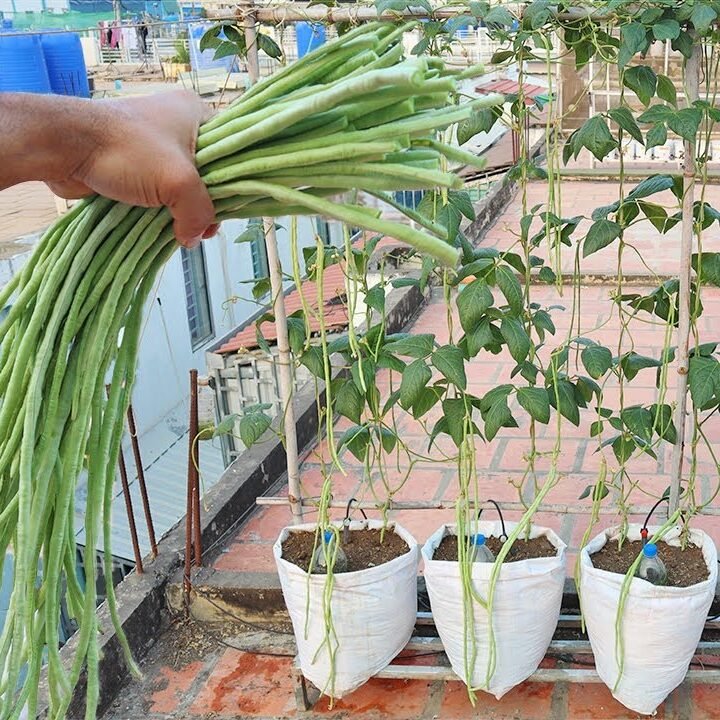
✔ Choose a pot or grow bag
Minimum size:
- 25–30 cm diameter pot, or
- 10–15 liter grow bag
Long beans grow long vines, so strong support is essential.
Prepare the soil
Use a nutrient-rich mix:
- 50% garden soil
- 30% compost
- 20% sand/cocopeat
Add one handful of neem cake to prevent pests.
Transplant gently
Remove seedlings with the soil intact to avoid disturbing the roots.
Water thoroughly
After transplanting, water generously to settle soil around the roots.
Provide a climbing support
Install:
- Bamboo poles
- Trellis
- Rope support
- Metal mesh
Long beans can grow vines 2–3 meters long.
7. Caring for Seedlings After Transplanting
1. Sunlight
Provide 6–8 hours of direct sunlight daily.
2. Watering
Water every 2–3 days, depending on heat.
Always allow the topsoil to dry slightly before watering again.
3. Fertilizing
Start feeding 10 days after transplanting:
- Compost tea
- Cow manure tea
- 14-14-14 slow-release fertilizer
- Seaweed extract
Apply every 10–15 days.
4. Mulching
Use dried leaves, straw, or grass clippings to:
- Reduce water evaporation
- Keep soil cool
- Prevent weeds
8. Common Problems with Long Bean Seedlings (and How to Fix Them)
Problem: Seedlings falling over
Cause: Overwatering or fungal damping-off
Fix:
✔ Reduce watering
✔ Improve airflow
✔ Use neem water once a week
Problem: Slow growth
Cause: Poor sun or low soil nutrients
Fix:
✔ Increase sunlight exposure
✔ Apply compost tea
Problem: Yellow leaves
Cause: Nitrogen deficiency or soggy soil
Fix:
✔ Add compost
✔ Improve drainage
Problem: Leaves curling or tiny holes
Cause: Aphids or leaf miners
Fix:
✔ Spray neem oil (1 tsp + 1 liter water)
✔ Add basil or marigold nearby to repel pests
9. When Will Long Beans Start Flowering?
Under proper care:
- Flowering begins: 30–40 days
- Pods start forming: 40–50 days
- Harvest period: 60–90 days
Long beans are fast producers and continue fruiting for 2–3 months.
10. Pro Tips for the Best Seedling Growth
⭐ Use deep pots—long bean roots grow fast
⭐ Do not overcrowd seedlings
⭐ Provide support early before the vines start growing
⭐ Keep soil slightly warm (they love heat!)
⭐ Avoid chemical fertilizers during early seedling stage
⭐ Protect young seedlings from strong winds and heavy rain
Final Thoughts
Growing long bean seedlings is simple, rewarding, and perfect for gardening beginners. With just a bit of care—proper sunlight, well-draining soil, gentle watering, and timely transplanting—you’ll enjoy strong, vigorous plants that produce long, tender pods throughout the season.
If you follow the steps in this guide, you can confidently raise long bean seedlings in containers, balconies, terraces, or small backyards and enjoy an abundant harvest.