
Peace Lilies (Spathiphyllum), with their elegant white blooms and glossy green foliage, are among the most popular indoor plants worldwide. They are loved not only for their beauty but also for their air-purifying qualities. However, even though Peace Lilies are often considered easy to care for, many plant enthusiasts struggle with common problems that can stunt growth or cause their blooms to disappear.
The good news? Most Peace Lily problems can be traced back to a few simple mistakes. By understanding what these mistakes are and how to avoid them, you can keep your Spathiphyllum thriving and flowering beautifully all year long. This article dives into the 6 most common mistakes, provides actionable solutions, and shares expert care tips to keep your Peace Lily lush and healthy.
Common Peace Lily Problems and How to Solve Them

Peace Lilies are hardy, but their beauty can be compromised if their needs aren’t met. Here are the most frequent issues and how to fix them:
1. Overwatering – The Most Common Mistake
Peace Lilies thrive in moist soil, but too much water is the number one cause of root rot and yellowing leaves.
Signs of Overwatering:
- Yellow leaves starting from the bottom
- Mushy or blackened roots
- Foul odor from the soil
Solution:
- Water only when the top 2–3 cm of soil feels dry
- Ensure your pot has proper drainage
- Remove any standing water from the saucer
Tip: Peace Lilies can tolerate slight dryness better than excessive water. Less is often more!
2. Underwatering – Leaves Drooping and Browning
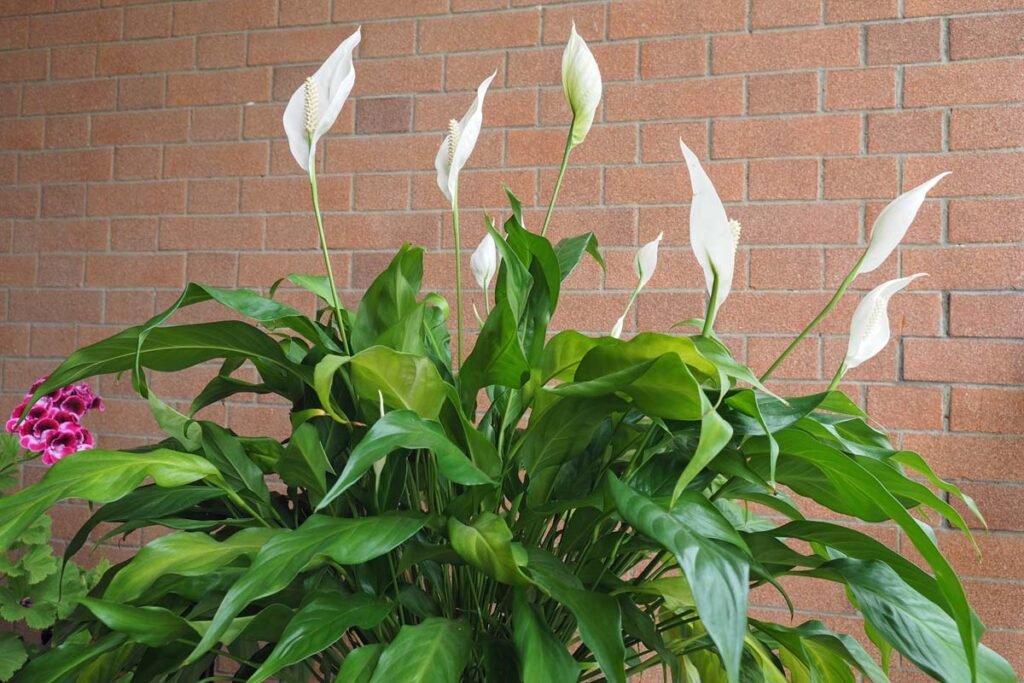
While overwatering is dangerous, underwatering is equally harmful. Peace Lily leaves droop dramatically when they need water, which can sometimes be mistaken for a permanent problem.
Signs of Underwatering:
- Leaves curl or droop
- Brown leaf tips
- Soil pulling away from the sides of the pot
Solution:
- Water thoroughly until water drains from the bottom
- Keep a consistent watering schedule (once a week is common, but it depends on climate and pot size)
- Mist leaves occasionally to maintain humidity
Tip: A Peace Lily can usually recover quickly once watered.
3. Low Humidity – Brown Leaf Tips and Slow Growth
Peace Lilies are tropical plants and love humid conditions. Dry indoor air, especially in winter, can cause leaf tip burn and slow growth.
Signs of Low Humidity:
- Brown tips on leaves
- Crispy edges
- Smaller, weaker flowers
Solution:
- Mist leaves daily or use a humidifier
- Place the pot on a tray with water and pebbles
- Group plants together to increase local humidity
Tip: Avoid letting water touch the crown of the plant to prevent crown rot.
4. Improper Light – Stunted Growth or Leaf Yellowing
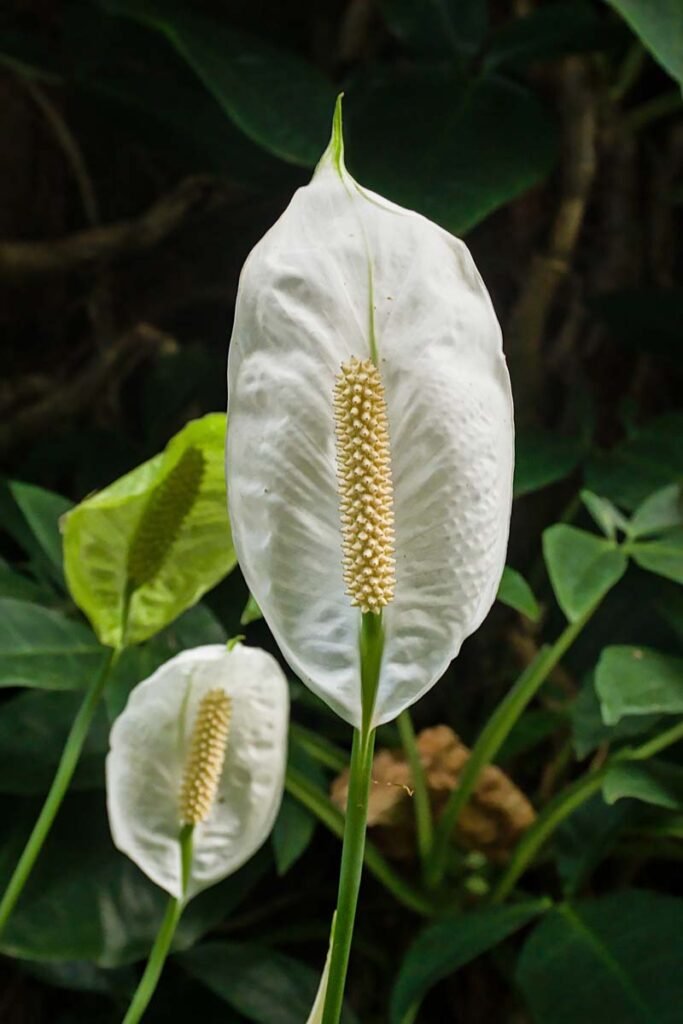
Peace Lilies prefer bright, indirect light. Too much direct sun can scorch the leaves, while too little light can prevent flowering.
Signs of Too Much Light:
- Leaves turn yellow or develop brown spots
- Flowers fade quickly
Signs of Too Little Light:
- Leaves become dark green but the plant doesn’t bloom
- Growth slows significantly
Solution:
- Place your Peace Lily near a north- or east-facing window
- Avoid harsh afternoon sun
- Use sheer curtains to diffuse bright light
Tip: Peace Lilies are adaptable and can tolerate low light, but blooms thrive under moderate indirect sunlight.
5. Fertilization Errors – Too Much or Too Little
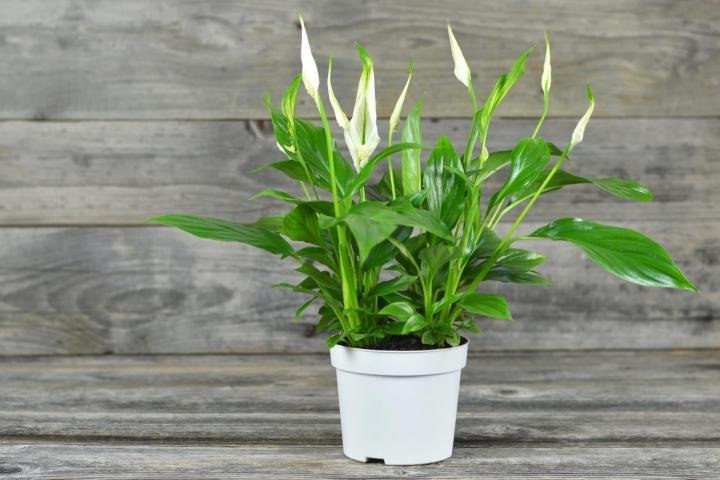
Peace Lilies don’t need heavy feeding, but fertilization mistakes can lead to poor flowering or burnt roots.
Signs of Overfertilization:
- Leaf tips turn brown and crispy
- White crust on the soil surface
Signs of Underfertilization:
- Small leaves
- Weak stems
- Minimal or no blooms
Solution:
- Use a balanced, water-soluble fertilizer (e.g., 20-20-20) at 1/4 strength
- Fertilize once a month during the growing season (spring and summer)
- Avoid fertilizing in winter when growth slows
Tip: Flush the soil occasionally with plain water to prevent salt buildup.
6. Ignoring Repotting Needs – Crowded Roots Can Harm Growth
Peace Lilies are slow growers, but eventually, they outgrow their pots. Crowded roots can stunt growth and reduce flowering.
Signs You Need Repotting:
- Roots growing out of drainage holes
- Soil dries out very quickly
- Plant appears top-heavy or stressed
Solution:
- Repot every 1–2 years into slightly larger pots
- Use a well-draining, peat-based potting mix
- Trim dead or damaged roots during repotting
Tip: Choose a pot 2–3 cm larger in diameter than the current one. Overly large pots can lead to waterlogging.
Additional Spathiphyllum Care Tips for Year-Round Blooms
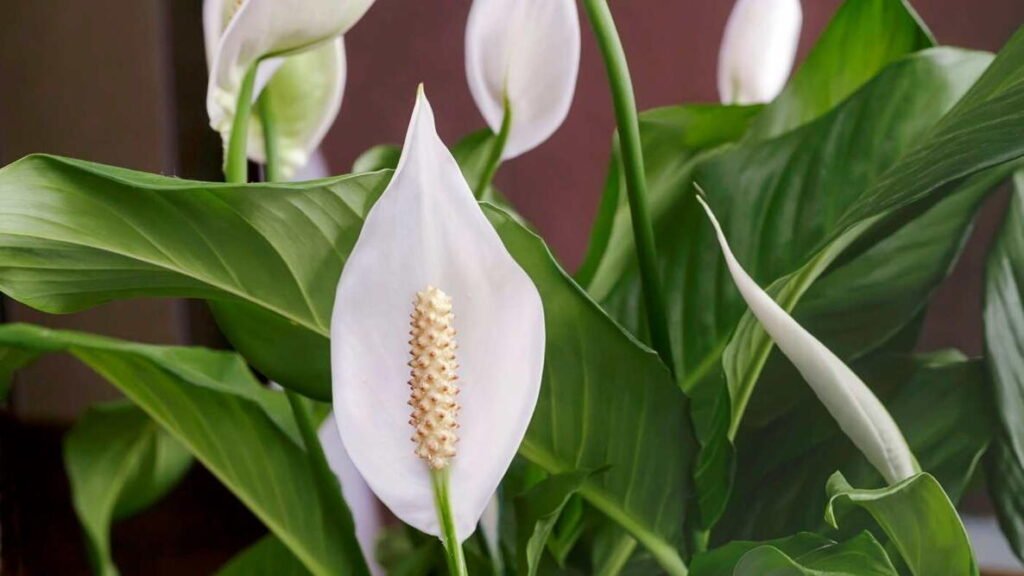
To ensure your Peace Lily thrives and flowers consistently, follow these expert care tips:
1. Keep Leaves Clean
Dust can block light and reduce photosynthesis. Wipe leaves gently with a damp cloth weekly.
2. Maintain Stable Temperature
Peace Lilies prefer 18°C–25°C. Avoid sudden drafts, air conditioners, or heaters, which can stress the plant.
3. Encourage Flowering
- Trim old flower stalks at the base
- Provide moderate indirect light
- Use bloom-boosting fertilizer during flowering season
4. Monitor for Pests
Peace Lilies are relatively pest-resistant, but they can attract aphids, spider mites, and mealybugs. Inspect leaves regularly and treat infestations promptly with neem oil or insecticidal soap.
5. Water Quality Matters
Peace Lilies are sensitive to chemicals like chlorine and fluoride. Use filtered, rain, or distilled water for the best results. Allow tap water to sit overnight before use if filtered water isn’t available.
6. Trim Dead or Yellow Leaves
Regular pruning improves appearance, prevents disease, and encourages new growth.
Quick Summary of 6 Mistakes to Avoid
| Mistake | Solution |
|---|---|
| Overwatering | Water only when top 2–3 cm is dry, ensure drainage |
| Underwatering | Water thoroughly, maintain consistent schedule |
| Low Humidity | Mist daily, use pebble trays or humidifier |
| Improper Light | Provide bright, indirect light; avoid direct sun |
| Fertilization Errors | Use balanced fertilizer at 1/4 strength monthly |
| Ignoring Repotting | Repot every 1–2 years, trim roots, use well-draining soil |
Final Thoughts
Peace Lilies are beautiful, resilient, and perfect for indoor gardens — but like any plant, they need the right environment and care. By avoiding these six common mistakes, providing proper watering, light, humidity, and nutrition, your Spathiphyllum will not only survive but thrive year-round.
With clean leaves, vibrant blooms, and healthy growth, your Peace Lily can become a centerpiece of any room — a symbol of beauty, purity, and calm.
Invest a little care and attention, and your Peace Lily will reward you with lush foliage and elegant flowers for years to come.