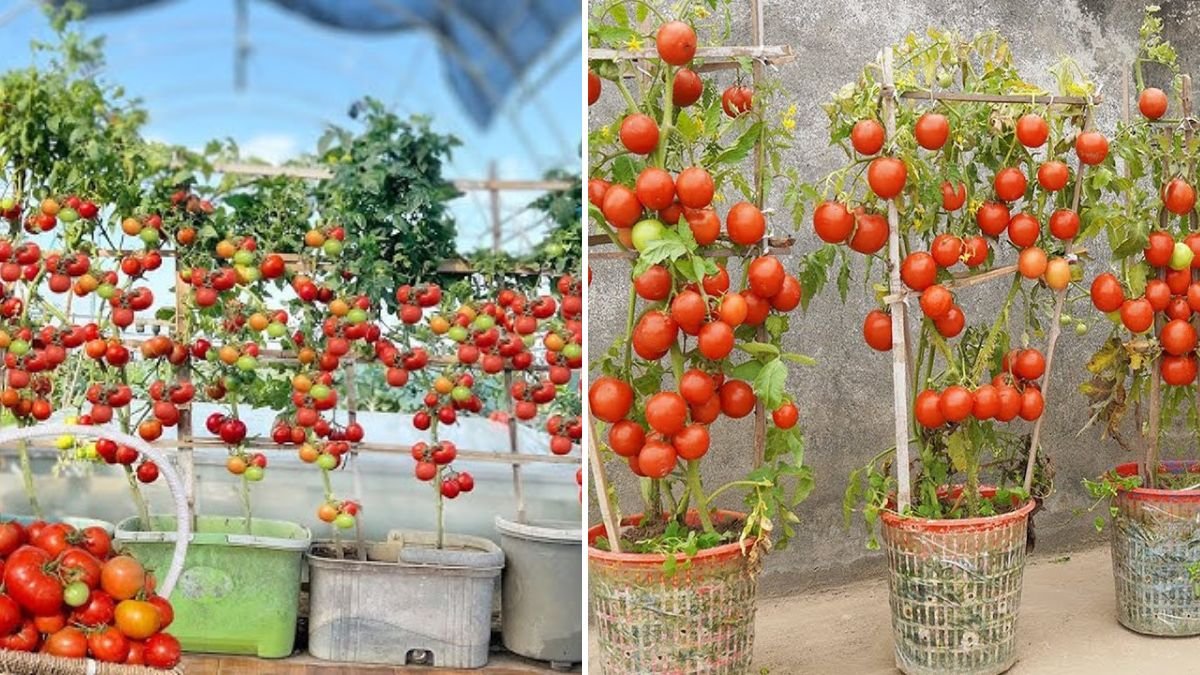
If you’ve ever grown tomatoes before, you already know the struggle: plants that grow tall but produce few fruits, tomatoes that remain small and hard, vines that fall over, and diseases that appear out of nowhere. Many gardeners assume tomatoes are difficult to grow—but the truth is, tomatoes are easy when you use the right method.
There is one particular growing technique that many gardeners say they wish they knew sooner because of how dramatically it improves fruit size, plant strength, and total yield. With this method, even beginners consistently harvest large, juicy, sweet tomatoes—often more than they imagined possible.
In this article, we’ll break down this powerful tomato-growing method step by step. Whether you grow in containers, terraces, backyards, or small spaces, you can adopt this technique and transform your tomato harvest.
🍅 Why This Method Works So Well
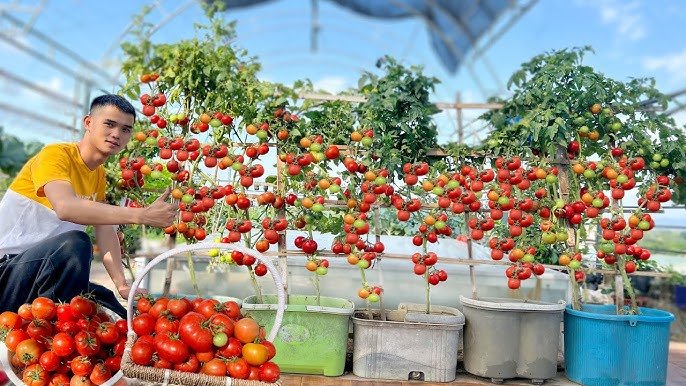
The secret to abundant tomatoes lies in understanding how tomato plants grow:
- They need room for deep roots
- They thrive with consistent nutrition
- They require proper pruning and airflow
- They respond strongly to the right sunlight
- And they produce best when grown on a strong support system
This method combines all of these principles in a simple, beginner-friendly way.
It’s not complicated, not expensive, and not time-consuming—but the results are truly impressive.
🌱 Step 1: Start With the Right Seedlings
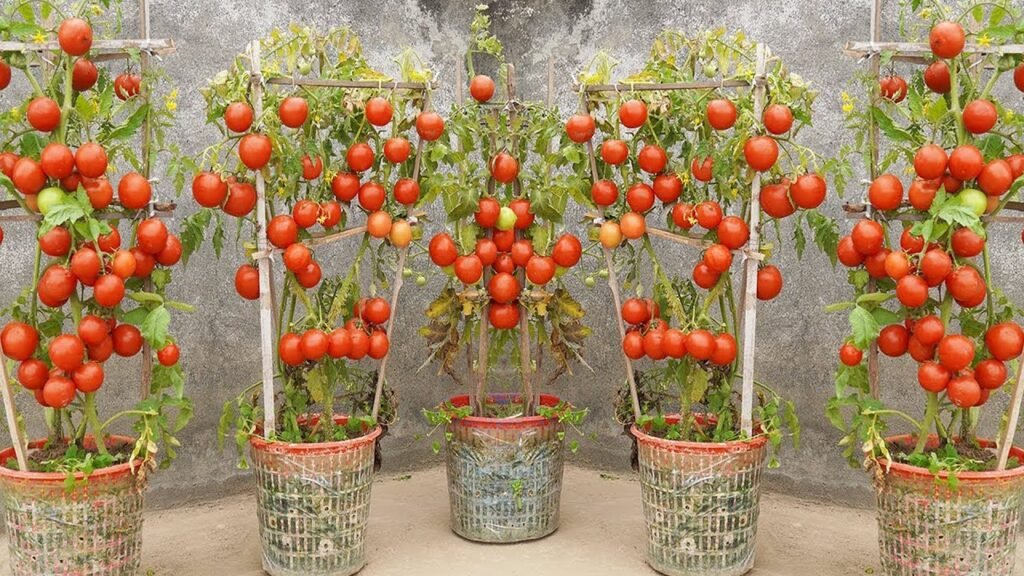
To achieve big, succulent tomatoes, you must begin with strong seedlings.
Choose high-yield tomato varieties:
- Beefsteak
- Roma (Plum)
- Cherry or grape tomatoes
- Better Boy
- San Marzano
- Heirloom varieties
Seedling Tips:
- Use fresh, high-quality seeds
- Start seeds in cocopeat or a light mix
- Ensure seedlings receive bright light to prevent leggy growth
- Transplant when they reach 15–20 cm tall and have thick stems
Healthy seedlings form the foundation of a productive tomato plant.
🪴 Step 2: The Game-Changing Soil Mix (The Secret to Fast Growth)
If there’s one thing that makes the biggest difference, it’s the soil.
Tomatoes are heavy feeders. They need nutrient-rich, well-drained soil. The method that boosts yield dramatically is to plant tomatoes in deep, fertile, airy soil that encourages massive root development.
Perfect Tomato Soil Mix:
- 40% garden soil
- 30% compost or well-rotted cow dung
- 20% cocopeat
- 10% sand or rice husk
- A handful of bone meal (boosts root growth)
- A handful of wood ash (improves flowering and fruiting)
Mix thoroughly before planting.
This soil blend gives the plant exactly what it needs to grow rapidly and support large fruit clusters.
🪵 Step 3: The Deep Planting Technique (The Trick Most Gardeners Don’t Know)
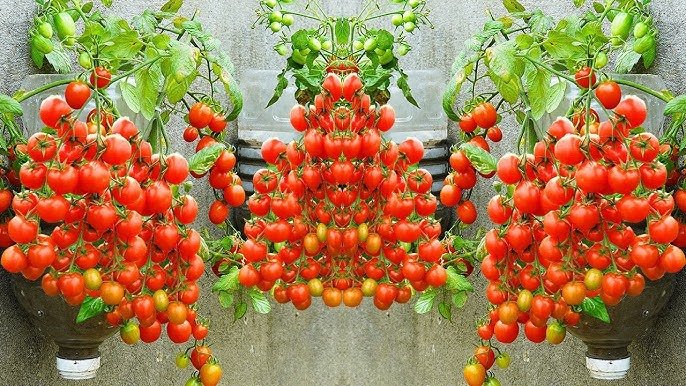
Here’s the method many wish they knew earlier:
Bury the stem deeper when transplanting.
Tomatoes can grow roots along their stems. When you bury the stem deeply—sometimes up to half of the plant—you encourage a huge, strong root system.
Benefits of Deep Planting:
- Stronger plant foundation
- Faster growth
- More nutrient absorption
- Better drought resistance
- Higher yield and larger fruits
To do this, remove lower leaves and bury the stem horizontally or vertically deeper into the soil.
This trick alone can double your tomato production.
🌞 Step 4: Sunlight Is Everything
Tomatoes need 6–8 hours of direct sunlight. Without strong sunlight:
- Fruits remain small
- Plants become leggy
- Flowering reduces
- Diseases increase
Place pots or garden beds where sunlight is full and uninterrupted.
If you grow on a terrace or balcony, position pots on the sunniest side.
💧 Step 5: Smart Watering = Sweet, Juicy Tomatoes
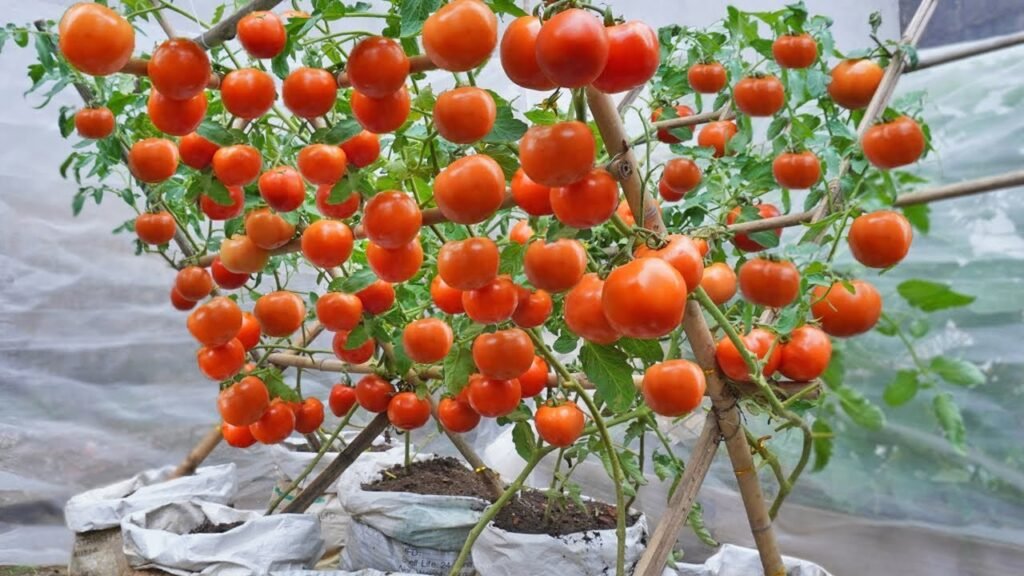
Tomatoes love consistently moist soil but hate waterlogging.
Watering Rules:
- Water deeply, not frequently
- Avoid wetting leaves to prevent fungal diseases
- Use mulch to maintain soil moisture
- Reduce watering when fruits start turning color to concentrate sugars
Mulching with dry leaves, straw, or coco husk reduces stress on the plant and keeps roots healthy.
🍌 Step 6: Feeding the Plants the Right Way
Tomatoes demand nutrients at different stages. This feeding schedule ensures continuous, balanced growth.
1. Vegetative Stage (Strong Stem & Leaves)
Feed with:
- Compost tea
- Fish emulsion
- Vermicompost
2. Flowering Stage
Switch to potassium-rich fertilizers:
- Banana peel fertilizer
- Wood ash
- Seaweed extract
3. Fruiting Stage
Boost calcium and potassium:
- Eggshell powder
- Epsom salt (magnesium sulfate)
- Bone meal
Feeding your tomato plant every 12–15 days keeps it productive and healthy.
🌿 Step 7: The Magic of Pruning and Suckers Removal
The biggest reason tomatoes don’t produce many fruits is excessive foliage.
Tomatoes grow suckers—small shoots that grow between the main stem and branches. These steal energy from fruit production.
What to do:
- Remove suckers when small
- Keep 1–2 main stems
- Prune old or yellow leaves
- Increase airflow around the base
This helps the plant focus its energy on producing big, juicy tomatoes.
🧗 Step 8: Support System – Critical for Big Fruits
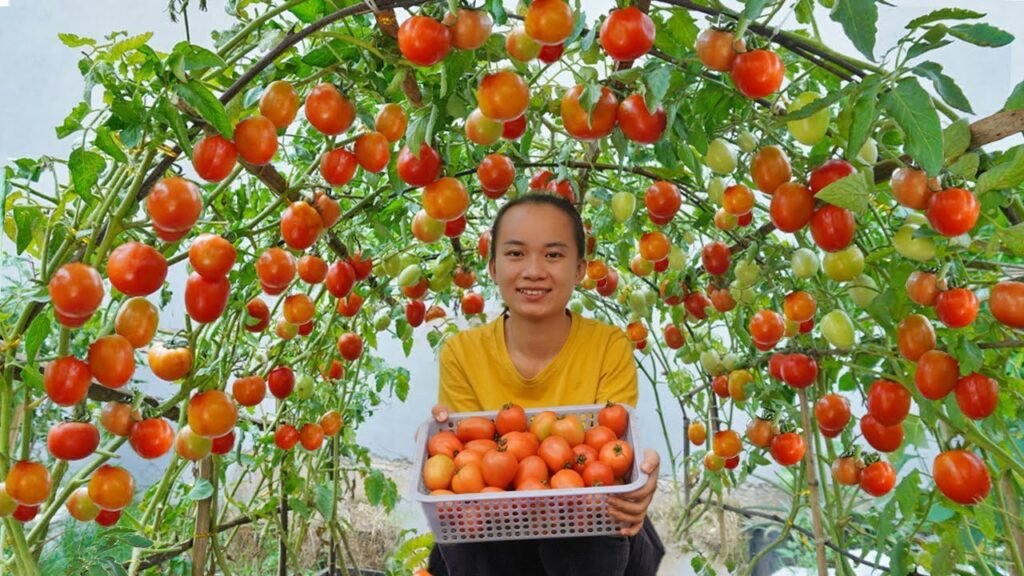
Provide a strong support structure so the plant can grow upward without breaking.
Options:
- Bamboo stakes
- Tomato cages
- Rope trellis
- Overhead wires
Supporting the plant:
- Prevents stem damage
- Increases fruit size
- Improves airflow
- Reduces disease risk
A supported tomato plant always produces better.
🌼 Step 9: Pollination Boosting Trick
Tomatoes are self-pollinating, but a little help goes a long way.
Ways to Improve Pollination:
- Gently shake the plant in the morning
- Keep the plant in a breezy area
- Grow basil or marigold nearby to attract bees
Better pollination = more fruits per cluster.
🍅 Step 10: Protecting the Plant from Pests and Diseases
Tomatoes are prone to:
- Whiteflies
- Aphids
- Spider mites
- Blight
- Powdery mildew
Prevention:
- Spray neem oil every 7–10 days
- Remove infected leaves immediately
- Keep leaves dry
- Avoid overcrowding
- Use sticky traps
Healthy plants resist pests better and produce more fruit.
🍅 Step 11: When and How to Harvest for Best Flavor
Tomatoes taste best when harvested at the right time.
Signs of Perfect Ripeness:
- Full color (red, yellow, or orange depending on variety)
- Slight softness when gently pressed
- Sweet aroma
- Fruit detaches easily from the stem
Harvesting at the correct stage increases sweetness and juiciness.
🌟 Final Thoughts: The Tomato Method Everyone Should Know
This simple method—rich soil, deep planting, proper pruning, smart feeding, and strong support—is the secret behind many gardeners’ success stories.
Once you try it, you’ll say the same thing countless others have said:
“I wish I knew this method of growing tomatoes sooner!”
With just a little attention and the right approach, your tomato plants will reward you with:
- Bigger fruits
- Sweeter taste
- Higher yields
- Longer harvesting periods
- Healthier plants
Whether you’re a beginner or an experienced gardener, this technique transforms your tomato-growing experience into a joyful, abundant harvest.