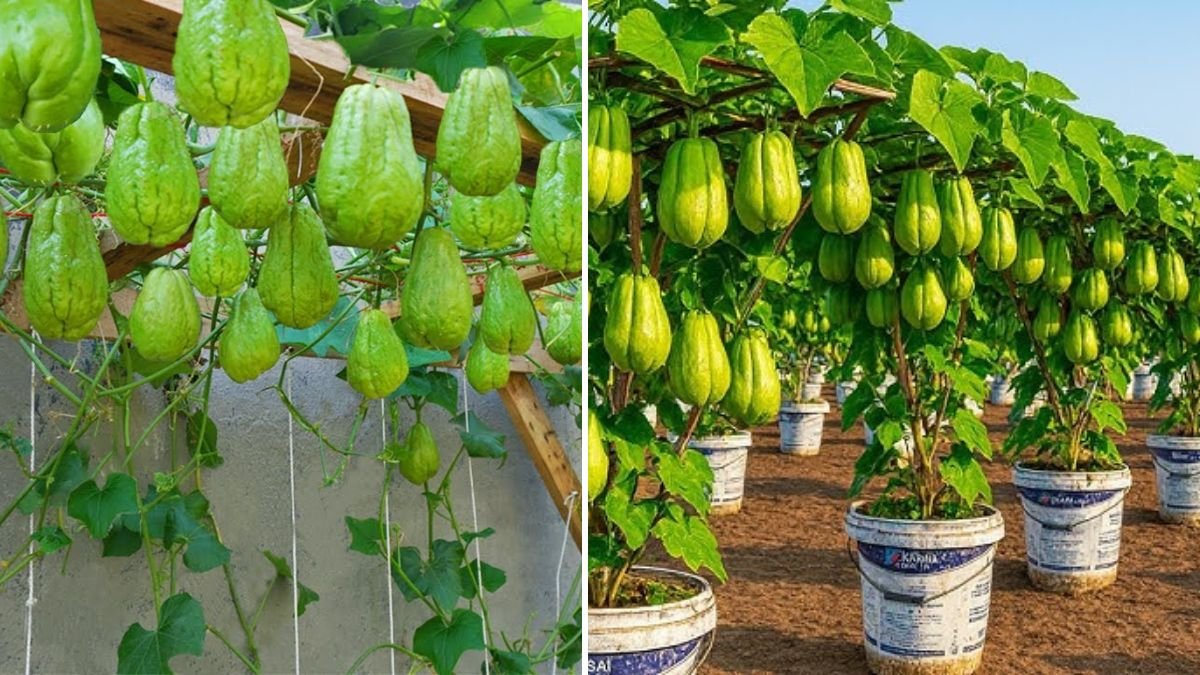
Chayote—also known as chow chow, mirliton, sayote, or vegetable pear—is one of the easiest and most productive vegetables you can grow at home. With its vigorous vines, abundant fruiting, and minimal maintenance needs, it’s no surprise that more and more home gardeners are turning to chayote as a must-grow crop.
But here’s something many growers don’t know:
You can propagate chayote quickly and successfully using a simple water method.
This technique accelerates sprouting, strengthens root development, shortens the time to the first harvest, and requires almost zero effort. It’s perfect for terrace gardeners, balcony growers, and anyone who wants a reliable, fast-growing vegetable that produces generously.
In this article, we’ll explore the complete step-by-step method of water propagation for chayote—one of the most effective ways to start this plant—along with tips, care instructions, and secrets to get the quickest harvest possible.
🥒 What Makes Chayote So Easy and Rewarding to Grow?
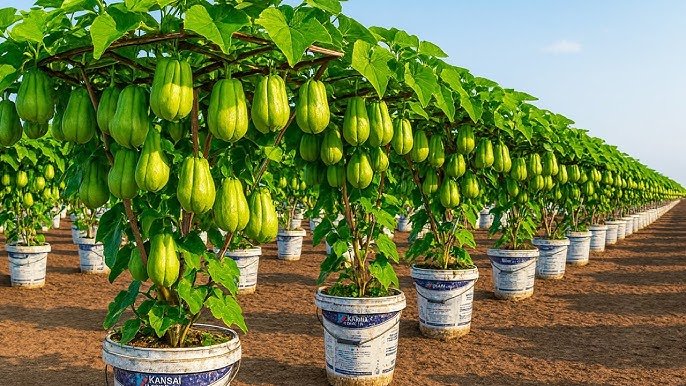
Chayote is a tropical perennial vine that thrives in warm climates and grows rapidly with very little effort. When grown properly:
- A single plant can produce 30–100 fruits per season
- The vines grow aggressively, covering trellises beautifully
- Harvest begins earlier than most vegetables
- It grows well in containers, soil beds, or terraces
- The plant remains productive for 3–5 years
Because of its resilience and high yield, chayote is ideal for beginner gardeners and those experimenting with fast, low-maintenance crops.
💧 Why Water Propagation Works So Well for Chayote
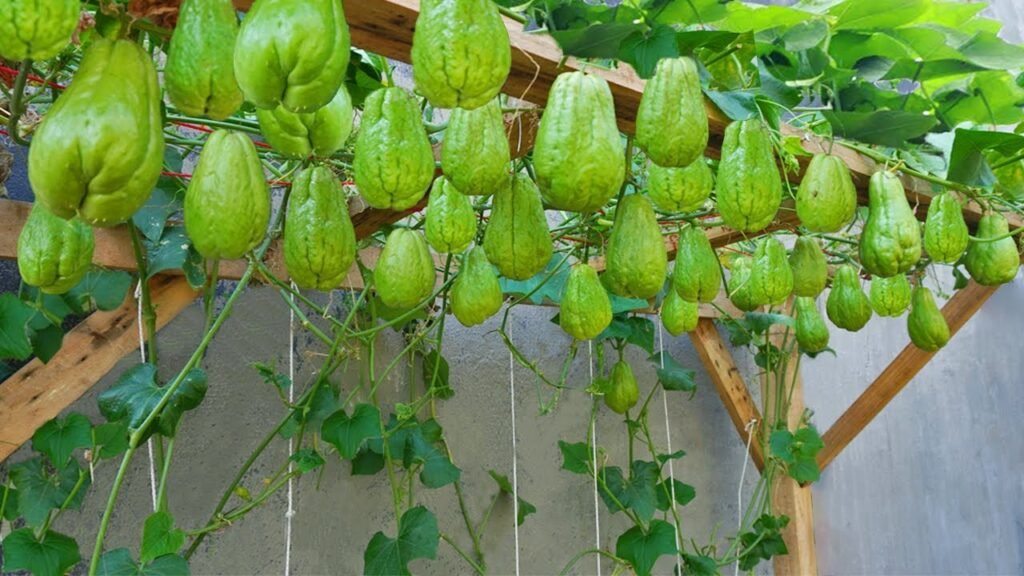
Chayote naturally sprouts from the fruit itself, without needing seed removal. But depending solely on soil can delay the sprouting process or expose the fruit to soil-borne rots.
The water propagation method offers several advantages:
- Faster sprouting due to constant moisture
- Visible root development
- Reduced transplant shock
- Lower risk of fungal infections
- Ideal for colder or inconsistent climates
- Perfect for monitoring early growth
If you want the quickest start and fastest harvest, this method is a game-changer.
🍐 Step 1: Choosing the Perfect Chayote for Propagation
The success of your harvest begins with the fruit you choose. Select:
Ideal Chayote Fruit:
- Medium to large size
- Firm and mature
- Free from cuts, bruises, or rotting
- Preferably organic or homegrown
- Light green or pale green in color
A fresh, healthy chayote contains enough nutrients to support seedling development, making it sprout faster and stronger.
💧 Step 2: Setting Up the Water Propagation System
This is the simplest part and requires almost no tools.
Materials Needed:
- A healthy chayote fruit
- A glass or plastic container
- Toothpicks (optional)
- Clean water
How to Prepare the Fruit:
- Hold the chayote with the broader end facing downward.
- Insert three toothpicks around the middle to suspend it over the surface of the container (optional).
- Fill the container with water so only the bottom tip touches the water.
This prevents the entire fruit from staying submerged, which can cause rot.
Where to Place It:
- Keep the container in a warm, bright area, away from direct harsh sunlight.
- Indoor bright windowsills work best.
🌱 Step 3: Waiting for Sprouting — What to Expect
Within 1–3 weeks, depending on temperature, you’ll begin to see changes:
Week 1–2:
- The fruit begins swelling near the seed
- The sprout pushes out from the crevice at the top
- Roots start developing from the lower part
Week 3–4:
- A strong vine grows from the top
- Roots elongate and thicken
- Leaves begin to emerge
The best part?
You can see everything happening clearly, unlike in soil where you’re guessing.
🌿 Step 4: Transplanting the Water-Grown Chayote
Once the vine reaches 10–15 cm and roots are long enough to support the plant, it’s time to transplant.
Transplanting Steps:
- Choose a large pot (minimum 20–30 liters) or plant directly in the ground.
- Use a rich soil mix:
- 40% garden soil
- 30% compost
- 20% cocopeat
- 10% sand or rice husk
- Plant the entire fruit at an angle—half buried and half exposed.
- Water lightly and place the pot where it receives 6+ hours of sun.
Chayote prefers warm, well-drained soil and plenty of space to grow.
🪴 Step 5: Caring for the Growing Plant — Faster Growth, Faster Harvest
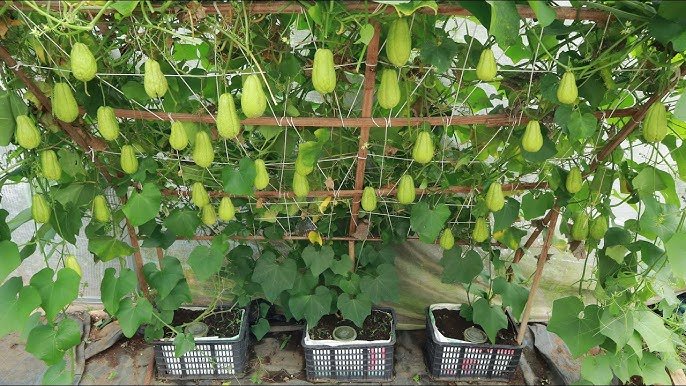
This vine grows quickly once established. Follow these simple care steps:
1. Sunlight
Chayote loves sunlight. Give it at least 6–8 hours daily.
2. Watering
- Keep soil moist but not soggy.
- Avoid overwatering as it slows growth.
3. Fertilizing
Every 20–25 days, feed with:
- Compost tea
- Vermicompost
- Banana peel fertilizer (for flowering)
- Seaweed extract (growth booster)
4. Mulching
Mulch with dry leaves or straw to retain moisture and encourage root health.
🧗 Step 6: Training the Vine — The Secret to High Production
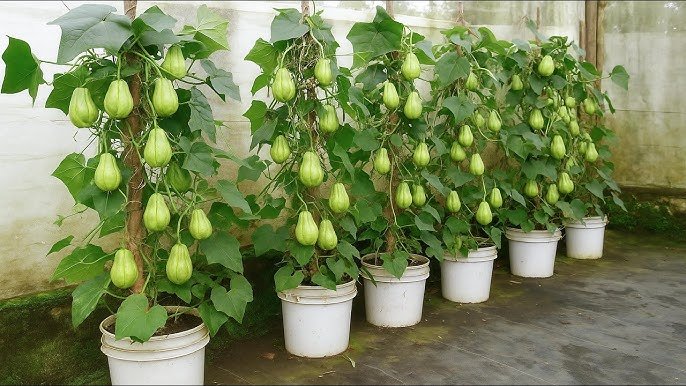
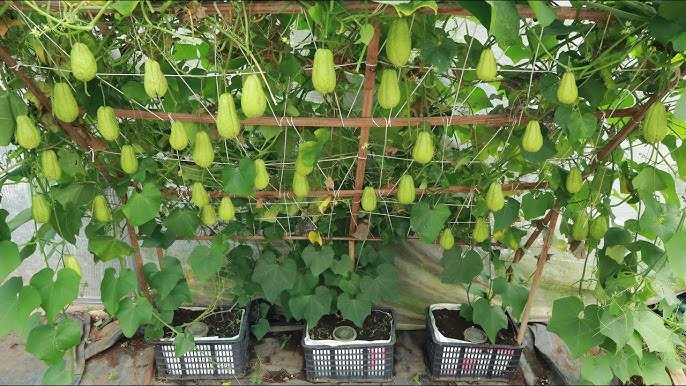
Chayote vines can reach 10–15 meters if left unchecked, so providing support is essential.
Effective Supports Include:
- Trellises
- Fences
- Rooftop railings
- Pergolas
- Overhead nets
A well-supported plant produces more flowers, fruits, and healthier vines. It also improves air circulation, preventing diseases.
🌼 Step 7: Encouraging Flowering and Fruit Setting
Chayote produces two types of flowers: male and female. Proper care increases the chances of successful pollination.
Tips for Better Flowering:
- Reduce nitrogen-based fertilizers once flowering begins.
- Increase potassium (banana peel fertilizer works well).
- Ensure vines receive full sunlight.
- Encourage bees by growing marigold or basil nearby.
The female flowers appear like tiny chayotes and once pollinated, grow rapidly.
🍐 Step 8: Harvesting Chayote — The Most Rewarding Moment
Chayote grows fast after fruit set—often ready to harvest in 80–120 days.
Signs of Maturity:
- Fruit is firm and light green
- Size is full but not overly large
- Skin is tender and easily scratched with a fingernail
Harvest with a sharp knife or scissors, leaving a short stem to prolong freshness.
A single vine can produce dozens of fruits each season, especially if watered and fertilized properly.
💡 Extra Tips for Even Faster Harvests
- Grow two chayote plants together for better pollination.
- Choose a warm, sunny location for water propagation.
- Support vines early to prevent damage.
- Trim excessive shoots to direct energy toward fruiting.
- Keep soil moist during fruit development for tender, juicy chayotes.
These small steps dramatically shorten the time from planting to harvest.
🌟 Conclusion: The Water Propagation Method Makes Chayote Growing Easier and Faster
Propagating chayote in water isn’t just a fun gardening experiment—it’s one of the most reliable methods for achieving fast growth, healthy vines, and quick harvests. By starting your chayote plant in water, you give it the strongest possible beginning, ensuring vigorous development once transplanted.
With minimal care and a bit of sunlight, your chayote vines will soon reward you with a continuous supply of fresh, tender fruits that are far superior to store-bought ones.
Whether you have a terrace, backyard, or balcony, this simple method brings you one step closer to a lush, productive, eco-friendly garden.