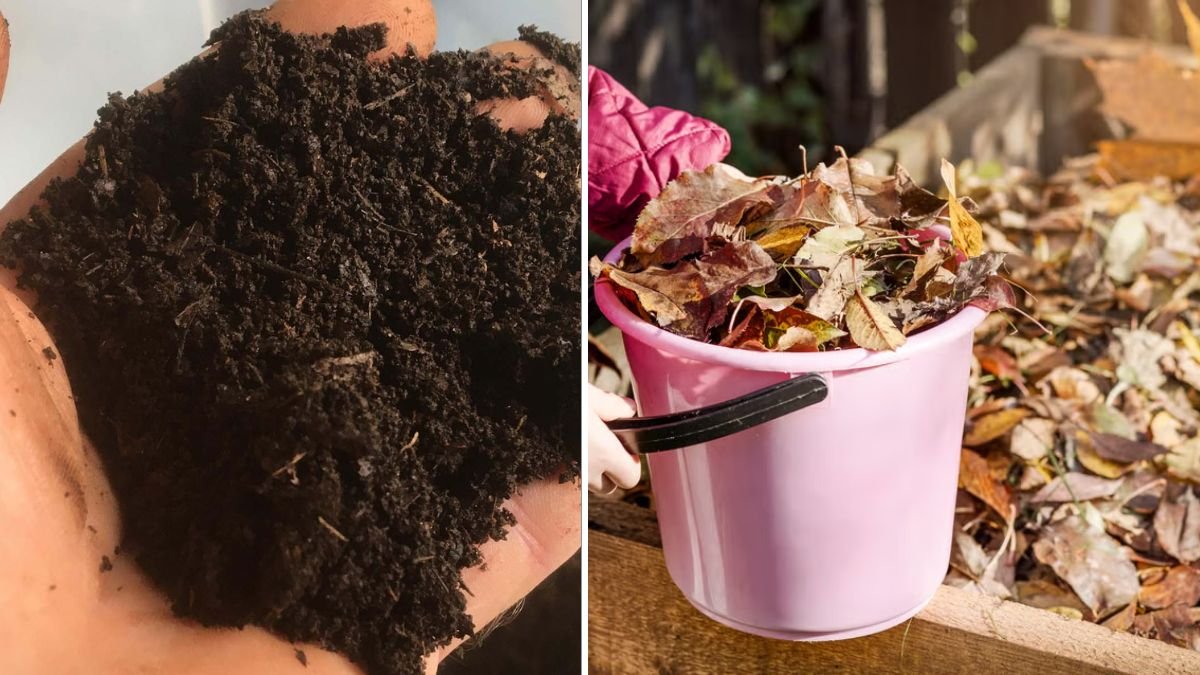
In every household, kitchen scraps and fallen leaves are often treated as waste—something to be tossed into the bin and forgotten. But what many people don’t realize is that these organic materials are extremely valuable. With just a little time and simple techniques, they can be transformed into nutrient-rich soil and leaf mold that boost garden health, improve plant growth, and reduce your gardening costs dramatically.
Whether you have a large backyard garden or a small balcony full of potted plants, learning how to recycle kitchen waste and fallen leaves can change your gardening game forever. In this complete 1200-word guide, you’ll discover how to create leaf mold, compost, and reusable soil effortlessly—using nothing more than materials you already have at home.
Why You Should Never Throw Away Kitchen Waste or Fallen Leaves
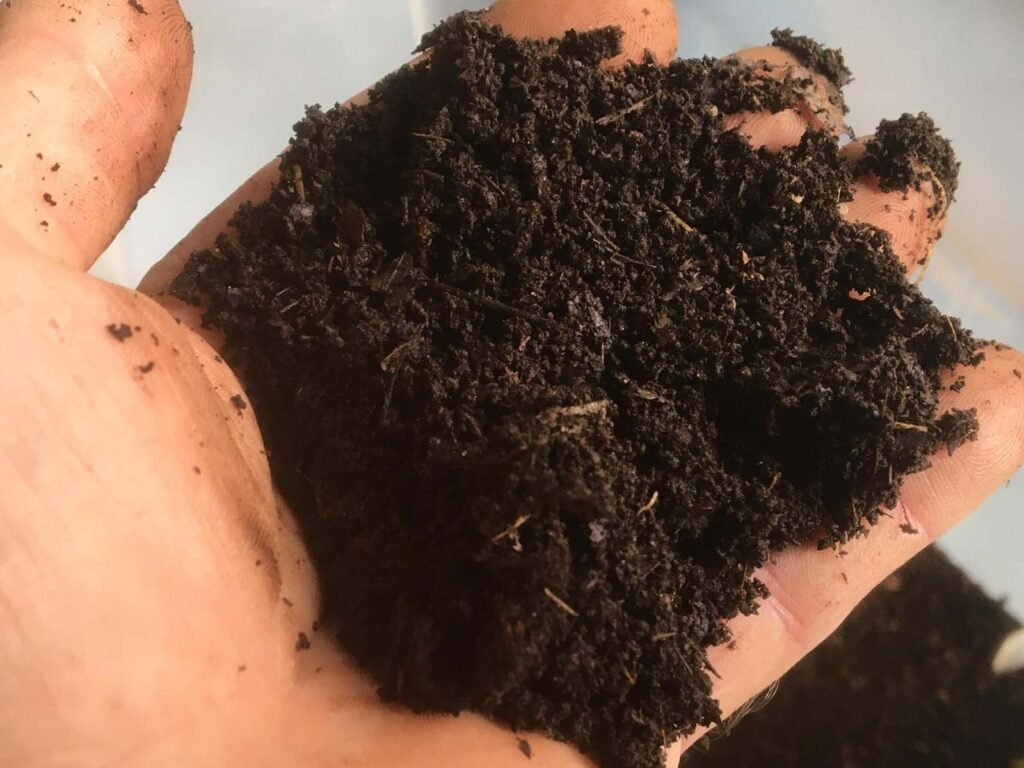
Organic waste is full of nutrients. In nature, nothing is wasted—every fallen leaf breaks down and becomes part of the soil again. By using these natural materials, you:
Reduce household waste
Improve soil structure
Enrich your garden naturally
Save money on fertilizers and soil
Promote eco-friendly, sustainable gardening
The best part? Anyone can do it. You don’t need expensive equipment or advanced knowledge—just a little patience and consistency.
What is Leaf Mold and Why Is It So Valuable?
Leaf mold is simply decomposed fallen leaves. Unlike compost, leaf mold is made mostly from carbon-rich materials, meaning it doesn’t rely heavily on kitchen scraps or nitrogen.
Benefits of leaf mold:
- Improves soil aeration
- Retains moisture up to 500 times its weight
- Encourages beneficial microbial activity
- Creates a soft, rich, forest-like soil texture
- Ideal for seed starting, potting mixes, and garden beds
Leaf mold is one of the most powerful yet underrated soil conditioners you can make at home.
How to Make Leaf Mold Easily at Home
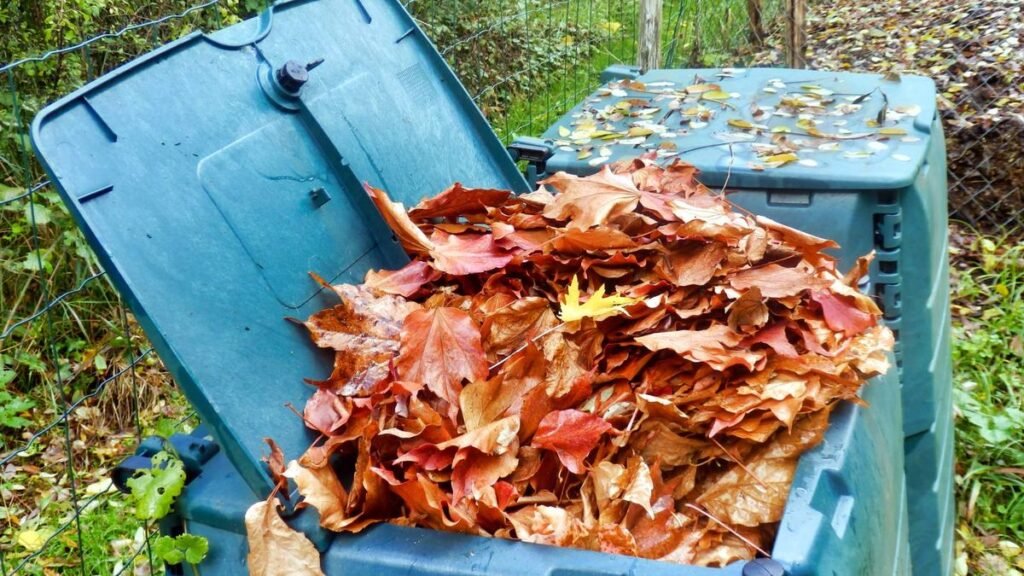
Making leaf mold is one of the simplest gardening tasks—nature does most of the work for you.
Step 1: Collect Fallen Leaves
Gather leaves from your yard, park, or street (as long as it’s safe and clean). Avoid leaves treated with chemicals or pesticides.
Step 2: Shred the Leaves (Optional but Highly Recommended)
Shredded leaves decompose faster. You can shred them by:
- Running a lawnmower over them
- Using garden scissors
- Crushing them by hand
Step 3: Store the Leaves
You can create leaf mold in several ways:
- In a large plastic bag with holes
- In a simple wire mesh bin
- In a corner of your garden piled up
Step 4: Moisten the Leaves
Moisture is crucial. Make sure the leaves feel like a wrung-out sponge—not dry and not dripping wet.
Step 5: Wait and Occasionally Turn
Leaf mold takes 6–12 months to fully develop.
Turning it once every 1–2 months speeds up decomposition.
When finished, leaf mold becomes:
- Dark
- Crumbly
- Soft
- Earthy smelling
This is pure gold for gardeners.
How to Reuse Soil Using Kitchen Waste
Many people throw away soil from old pots, thinking it’s useless. But old soil can be revived easily and turned into nutrient-rich growing medium using kitchen waste.
What Kitchen Waste Can Be Used?
Use only plant-based scraps:
- Vegetable peels
- Fruit scraps
- Coffee grounds
- Tea leaves
- Eggshells
- Spoiled greens
- Banana peels
Avoid:
Meat
Dairy
Oily foods
Large amounts of citrus
Method 1: Direct Soil Recycling with Kitchen Waste
Step 1: Break Up Old Soil
Loosen compacted soil from old pots or garden beds.
Step 2: Add Kitchen Waste
Mix chopped kitchen waste directly into the soil. Smaller pieces decompose faster.
Step 3: Add Brown Material
To balance nitrogen-rich kitchen scraps, add:
- Dry leaves
- Shredded paper
- Sawdust (small amount)
- Coco peat
Step 4: Keep Moisture Consistent
Water lightly to maintain a moist but not soggy environment.
Step 5: Let It Rest
Allow the soil to rest for 4–6 weeks. The organic material will break down, rejuvenating the soil naturally.
Method 2: Trench Composting (Best for Garden Beds)
Trench composting is incredibly simple and great for those who don’t want to maintain a compost bin.
How It Works:
- Dig a trench 20–30 cm deep.
- Add kitchen waste.
- Cover completely with soil.
- Leave it to decompose naturally.
After a few weeks, the decomposed organic matter enriches the soil and provides slow-release nutrients to nearby plants.
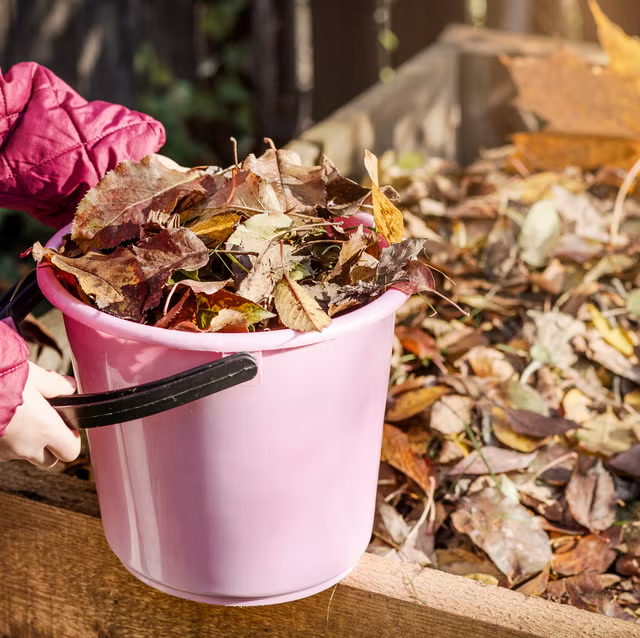
Method 3: Bucket Compost for Small Spaces
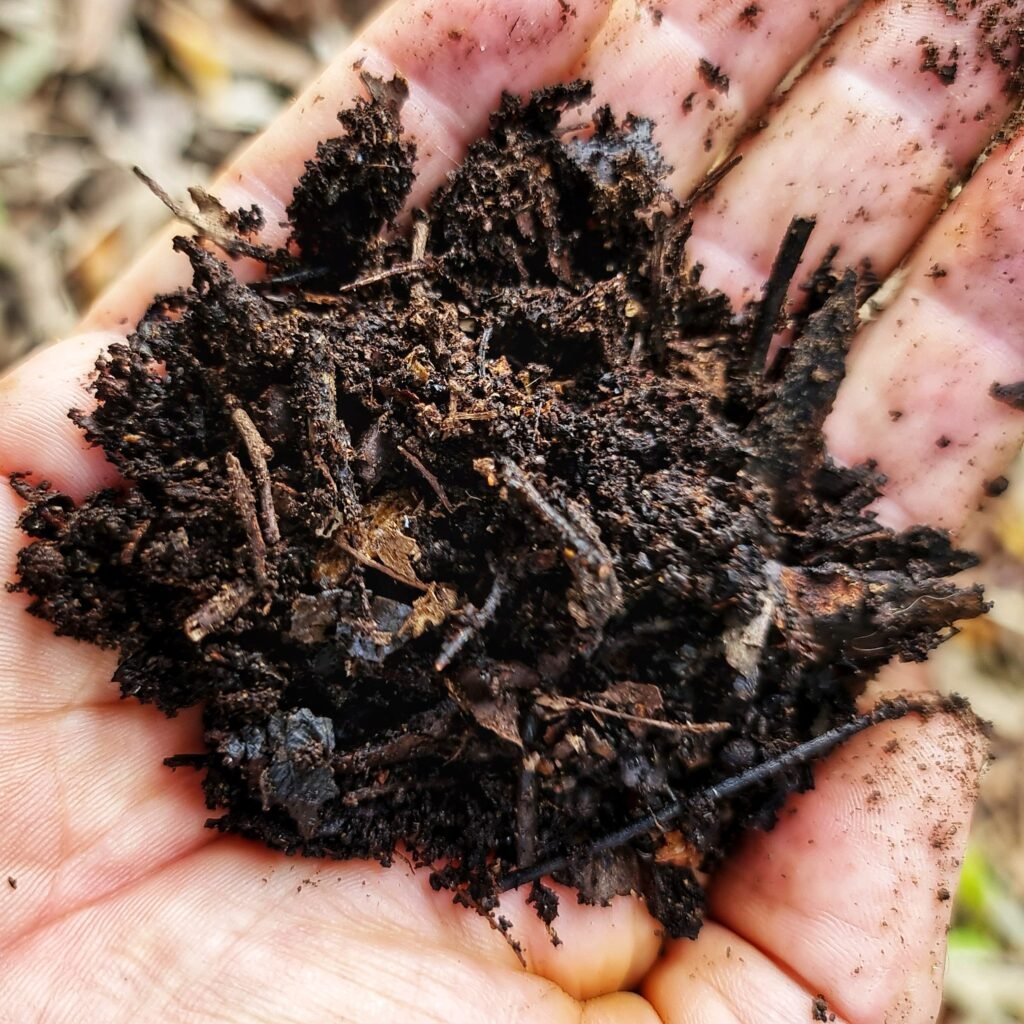
Even if you live in an apartment, you can compost easily using a bucket.
What You Need:
- A bucket with holes
- Dry leaves
- Kitchen scraps
Steps:
- Add a layer of dry leaves.
- Add kitchen waste.
- Cover with another layer of dry leaves.
- Repeat the layers until the bucket is full.
- Mix every 1–2 weeks.
In 6–8 weeks, you’ll have dark, crumbly compost ready to mix with old soil.
How to Use Leaf Mold and Recycled Soil
Use leaf mold as:
- A moisture-retaining mulch
- Ingredient in potting mixes (20–30%)
- Soil amendment for clay or sandy soils
- A topdressing around plants
Use recycled, enriched soil for:
- Potting vegetables
- Flower beds
- Seed starting (mixed with sand or coco peat)
- Vegetable gardens
Your plants will benefit from:
- Better drainage
- Superior nutrient retention
- Enhanced microbial activity
- Stronger root development
Tips to Speed Up Decomposition
If you want quicker results, follow these tips:
1. Chop waste into smaller pieces
More surface area = faster breakdown.
2. Maintain a balance of Green and Brown
- Greens = kitchen scraps
- Browns = dry leaves, paper
Ideal ratio: 1 part greens to 2 parts browns
3. Keep it moist, not wet
Microbes work best in moist environments.
4. Turn the compost regularly
Adds oxygen → boosts microbial activity → speeds decomposition.
The Eco-Friendly Advantage
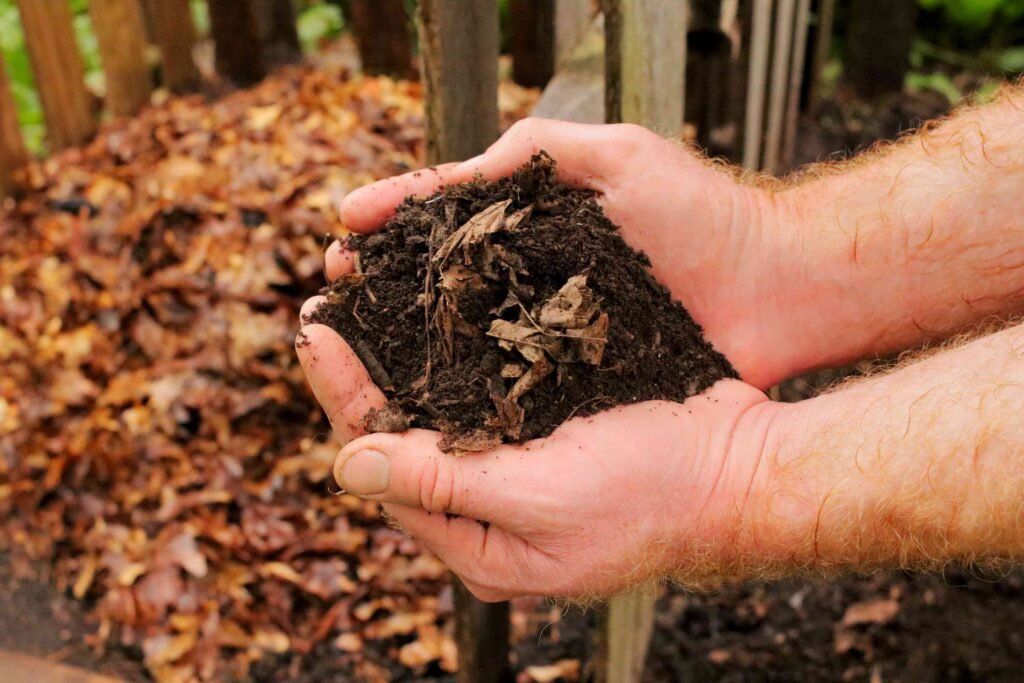
Reusing soil and making leaf mold not only benefits your garden, it also reduces your carbon footprint. Instead of sending organic waste to landfills—where it produces methane—you’re returning nutrients back to the earth.
This simple habit helps:
- Reduce garbage
- Save natural resources
- Promote healthier plant growth
- Build sustainable gardening practices
Final Thoughts: Waste Is Not Waste—It’s Nature’s Treasure
Kitchen scraps and fallen leaves are gifts from nature, not garbage. With a little effort, you can turn them into valuable compost and leaf mold that nourish your garden and create a cycle of renewal.
You don’t need special tools or chemicals—only patience and the understanding that nature does the hard work for you.