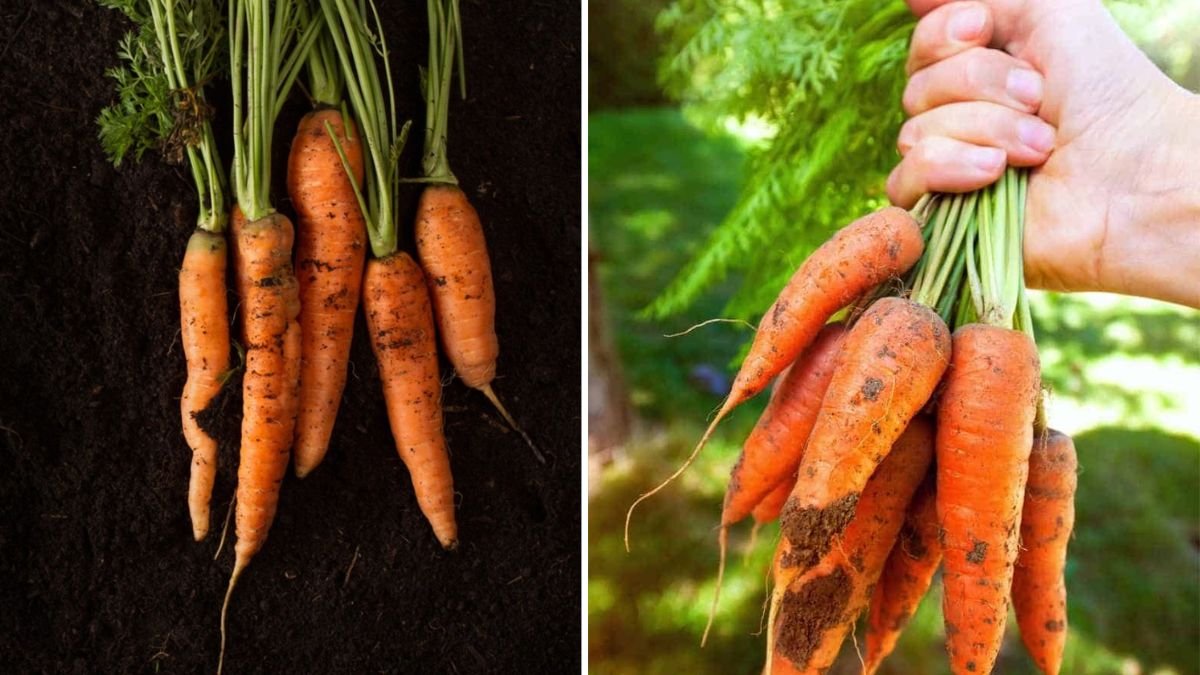
Carrots are one of the most rewarding vegetables you can grow at home. They don’t need much space, they thrive in containers or raised beds, and once you learn a few simple tricks, you can enjoy crisp, sweet, homegrown carrots all year round. But there’s an even bigger secret: you can dramatically boost your harvest by planting carrots the right way and using a simple, natural fertilizer that costs almost nothing.
In this article, you’ll learn a step-by-step method to grow carrots for maximum yield, why soil preparation is the true key to perfect roots, and how to make an all-natural fertilizer that carrots absolutely love. Whether you’re a beginner or seasoned gardener, these techniques will transform how you grow this classic root crop.
Why Carrots Are Easy When You Know the Secret
Carrots aren’t demanding, but they are particular about one thing: good soil. Give them loose, fluffy, fertile soil and they’ll grow long, straight, and sweet. Give them hard, clumpy soil and they will twist, fork, or stay tiny.
The planting method below does two important things:
- Ensures perfect soil structure for deep root growth.
- Adds gentle, natural nutrients at the right time.
This combination leads to healthier plants and a heavier harvest.
Step 1: Prepare the Perfect Growing Medium
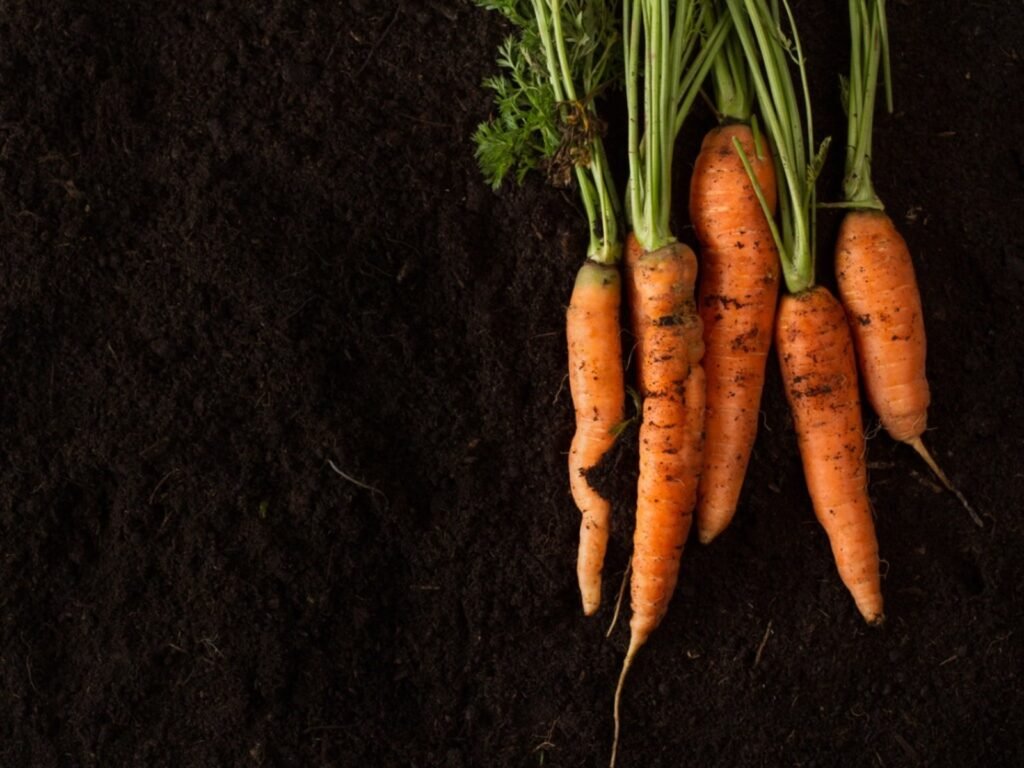
Carrots grow underground, so the soil is everything.
Ideal soil mixture
Mix the following:
- 50% loose garden soil or sifted soil
- 30% sand (river sand or construction sand)
- 20% compost (well-rotted; no big chunks)
This blend guarantees:
- Easy root penetration
- No obstacles or clumps
- Balanced nutrition
If using containers, choose a minimum depth of 30–40 cm, but deeper is even better.
Step 2: Level, Loosen, and Moisten
Before sowing your seeds:
- Break up any clods.
- Level the soil with your hand or a board.
- Lightly water the top 2–3 cm so it’s evenly moist.
Moist soil helps carrot seeds stick in place and germinate evenly.
Step 3: Sow the Seeds Correctly
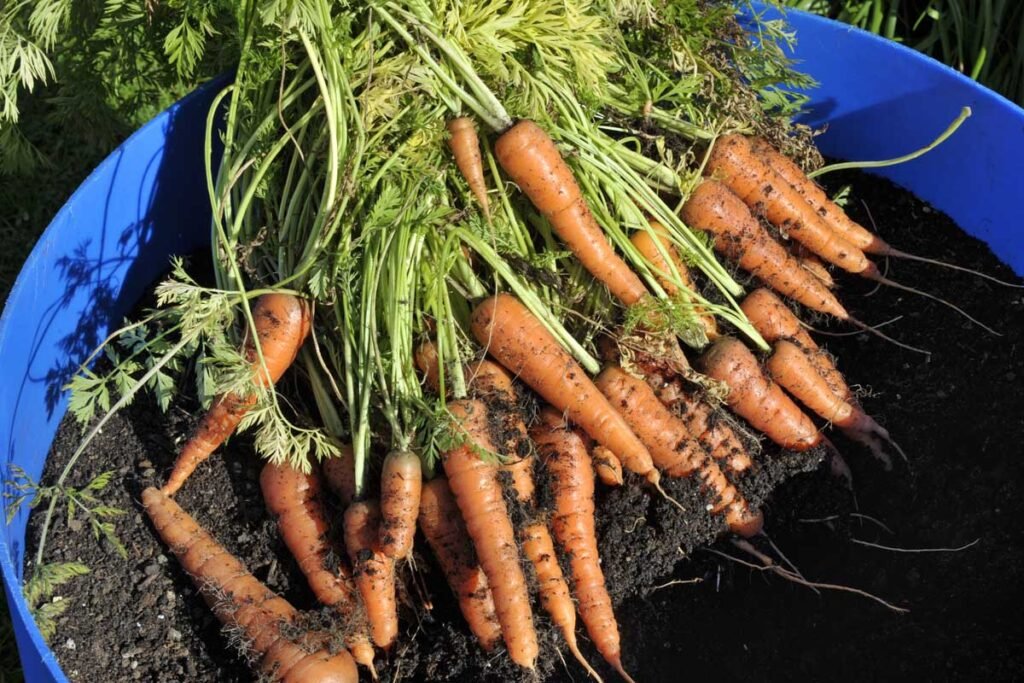
Carrot seeds are tiny, so spreading them evenly helps prevent overcrowding.
Two easy methods:
Method A: Sprinkle and Pat
- Sprinkle seeds thinly across the soil surface.
- Lightly cover with 0.5–1 cm of fine soil.
- Pat gently so the seeds make contact with the moist layer.
Method B: Mix with Sand (Highly Recommended)
- Mix 1 teaspoon of carrot seeds with 1/4 cup of sand.
- Sprinkle the mixture evenly.
This gives perfect spacing without thinning later.
Step 4: Water Gently but Consistently
Carrot seeds must stay moist until they sprout.
Tips:
- Use a spray bottle or gentle watering can.
- Water lightly 1–2 times per day until germination.
- Cover with a thin cloth or newspaper during hot days to prevent drying.
Seedlings appear in 7–14 days.
Step 5: Provide Strong Light and Airflow
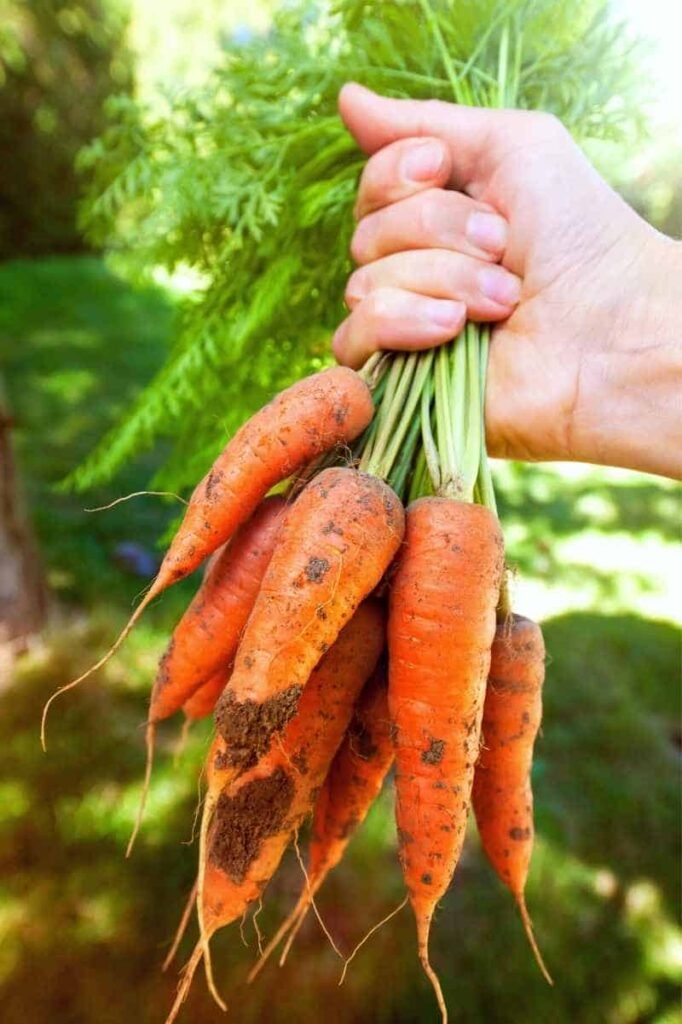
Carrots love:
- Full sun (at least 6 hours/day)
- Cool to warm temperatures (15–28°C)
Once seedlings are 3–5 cm tall, remove shading and allow full sunlight. Proper airflow prevents fungal issues and encourages sturdy growth.
Step 6: Thin the Seedlings (Important!)
When seedlings reach 5–7 cm, spacing becomes crucial.
Ideal spacing:
- 2–3 cm apart for baby carrots
- 4–5 cm apart for bigger carrots
Pull out weak or crowded seedlings. This ensures each plant has room to develop a thick, healthy root.
Step 7: Keep Soil Moist — Not Wet
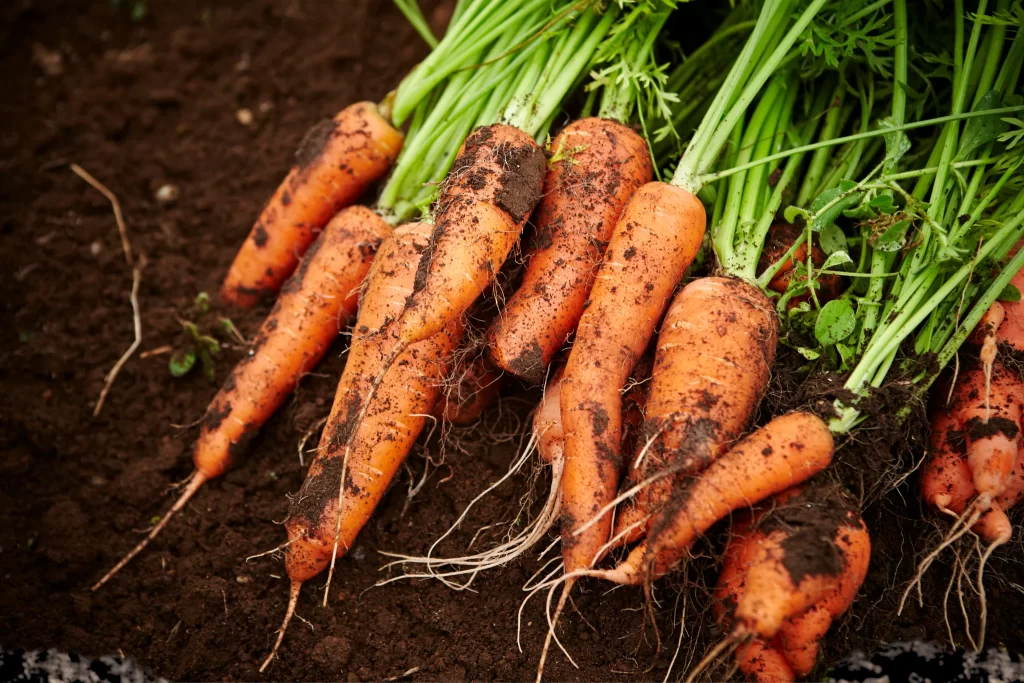
Carrots grow best when the soil remains evenly moist.
- Water deeply 2–3 times a week.
- Avoid overwatering—carrots may crack.
- Mulch with dried leaves or straw to retain moisture.
BONUS: Natural Fertilizer That Supercharges Carrot Growth
Carrots don’t like strong or “hot” fertilizers. They prefer mild, steady nutrition—and this natural fertilizer recipe is perfect.
The Best Natural Fertilizer Mix
Use this when carrots are 3–4 weeks old:
- 1 cup of compost or vermicompost
- 1 tablespoon of wood ash
- 1 handful of rice husk or coco peat
Mix the ingredients, then gently spread around the base of the plants. Do not bury the crown.
Why this works:
- Compost gives slow-release nutrients
- Wood ash adds potassium for thick, sweet roots
- Rice husk improves aeration
This combination leads to:
Bigger roots
Sweeter flavor
Faster growth
Stronger plants
The difference in harvest size can be incredible.
Step 8: Watch for These Growth Stages
Carrots usually take 70–90 days to mature.
When to harvest:
- Baby carrots: 30–40 days
- Medium carrots: 60–70 days
- Full-size carrots: 70–90 days
Gently pull one to check size before harvesting the rest.
Common Mistakes to Avoid
Here are the most common errors gardeners make—and how to avoid them:
Hard, lumpy soil
→ Sift soil and add sand.
Overcrowding
→ Thin seedlings early.
Too much nitrogen
→ Causes leafy tops but tiny roots.
Drying out during germination
→ Keep soil evenly moist until sprouts appear.
Your Harvest Will Be Bigger Than Ever
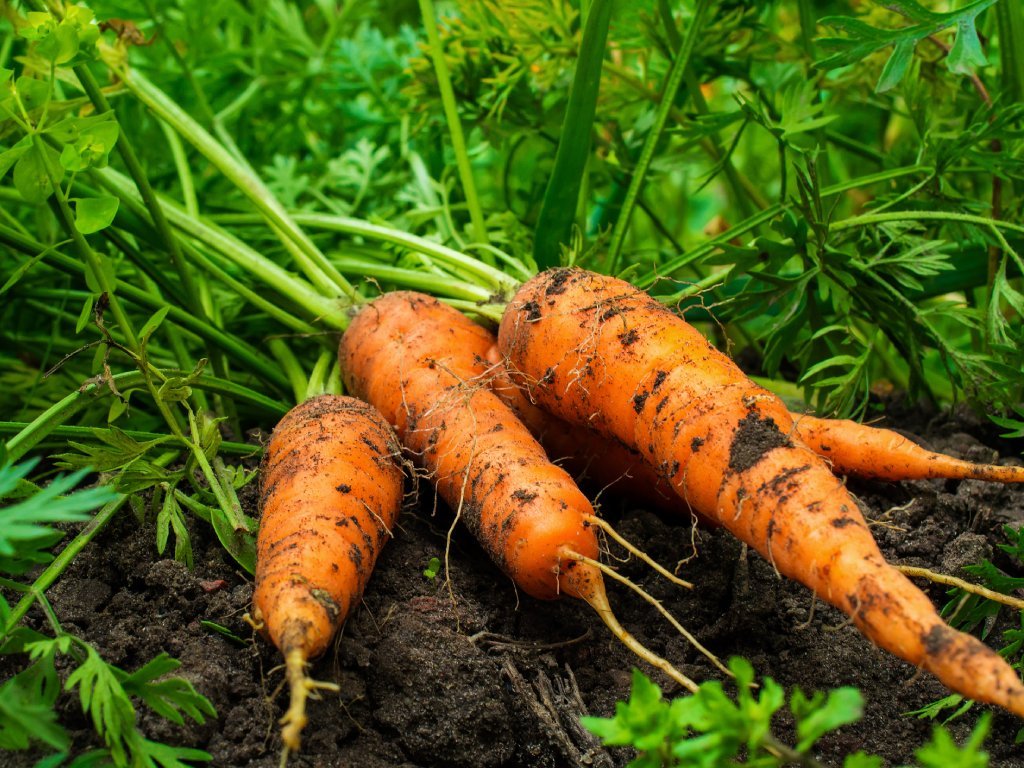
Planting carrots the right way—and using natural fertilizer—makes an enormous difference. With soft, well-prepared soil, proper spacing, and gentle feeding, your carrots will grow straighter, larger, and far sweeter than supermarket versions.
Whether you’re growing in a raised bed, balcony container, or recycled bucket, this method guarantees a richer harvest and healthier plants.
Final Thoughts
Carrots are simple but powerful vegetables. By planting them correctly and enriching the soil with natural fertilizer, you can enjoy a delicious harvest with minimal effort. And the best part? Once you learn this technique, you can grow carrots all year round.
If you’d like an article on growing rainbow carrots, baby carrots, or giant carrots, feel free to ask!