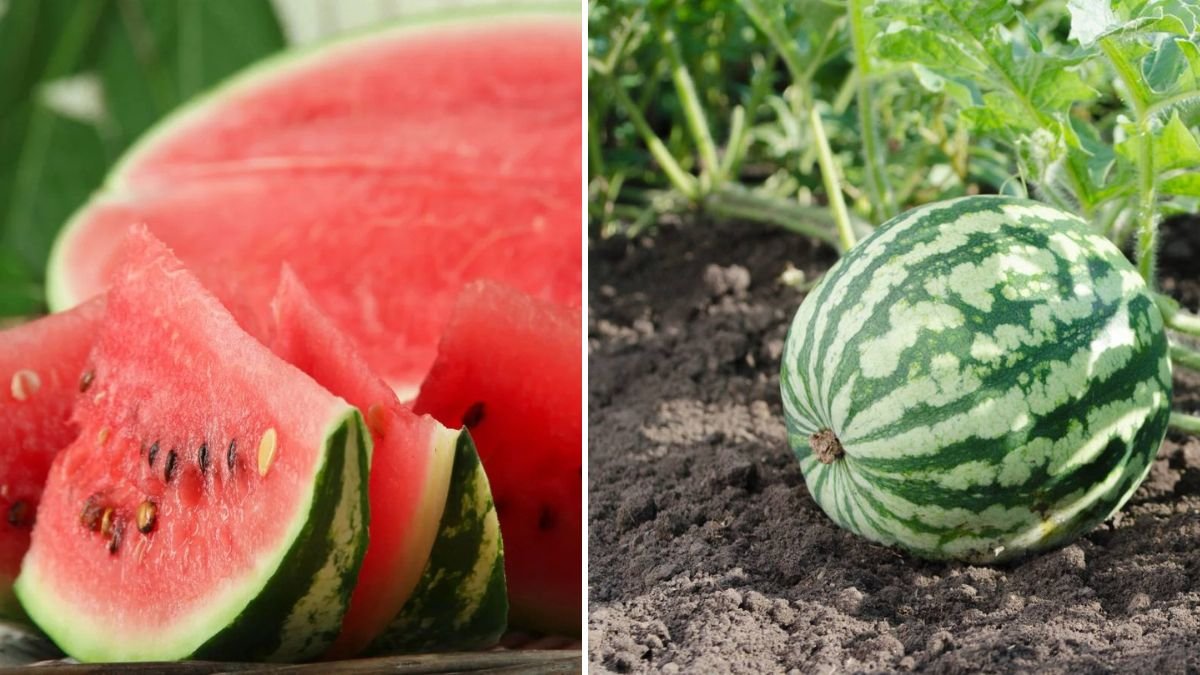
Watermelon is one of the most refreshing, delicious summer fruits—and the best part is, you can grow your own watermelon plants using nothing more than a store-bought watermelon! Whether you have a garden, balcony, or small backyard, you can transform the seeds inside an ordinary watermelon into healthy vines and sweet fruits.
In this detailed 1200-word guide, you’ll learn exactly how to grow watermelon from store-bought watermelon, step-by-step. We’ll cover seed extraction, germination, soil preparation, planting, feeding, caring, pollination, and harvesting—all the secrets needed to grow big, juicy watermelons right at home.
Let’s get started!
Why Grow Watermelon from Store-Bought Fruit?
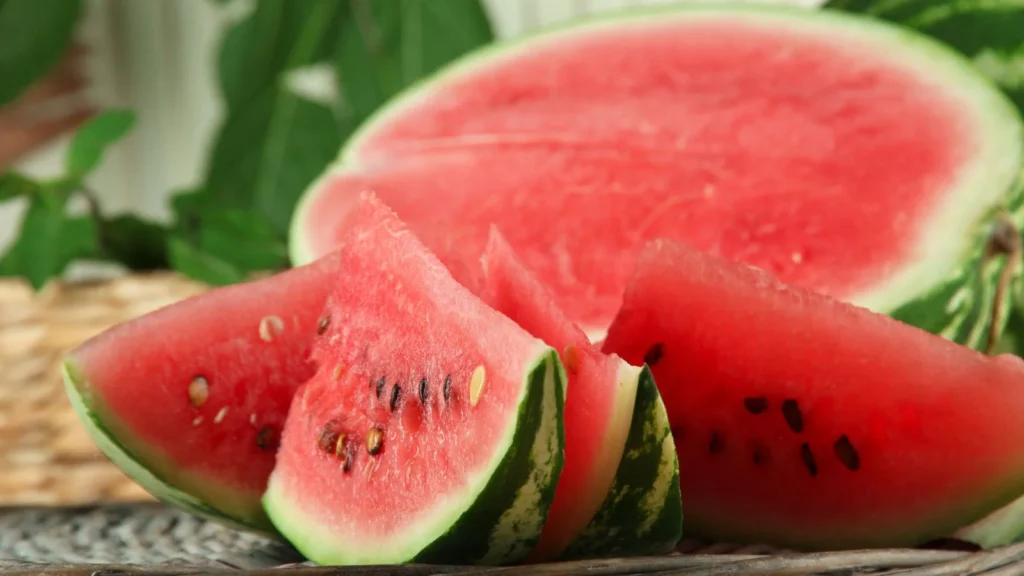
Most people throw away watermelon seeds without knowing they are perfectly usable for planting. With the right conditions, watermelon seeds can sprout quickly and produce vigorous vines that yield sweet fruits.
Cost-effective
No need to buy seed packets—you already have seeds at home.
Easy and beginner-friendly
Watermelon seeds germinate fast and grow aggressively.
Fun and rewarding
From seed to fruit, watermelon plants grow visibly every week.
Works in containers and gardens
You don’t need a farm—just good sunlight.
Step 1: Choose the Right Watermelon
Not every store-bought watermelon will work. To grow successfully, choose a:
Mature watermelon
Ripe fruits have fully developed seeds with good germination power.
Seeded variety
Avoid seedless watermelons—they do not produce viable seeds.
Healthy fruit
A ripe, sweet watermelon usually contains strong seeds.
Prefer organic
Organic fruits are less likely to carry treated or sterilized seeds.
Step 2: Extracting and Selecting Seeds
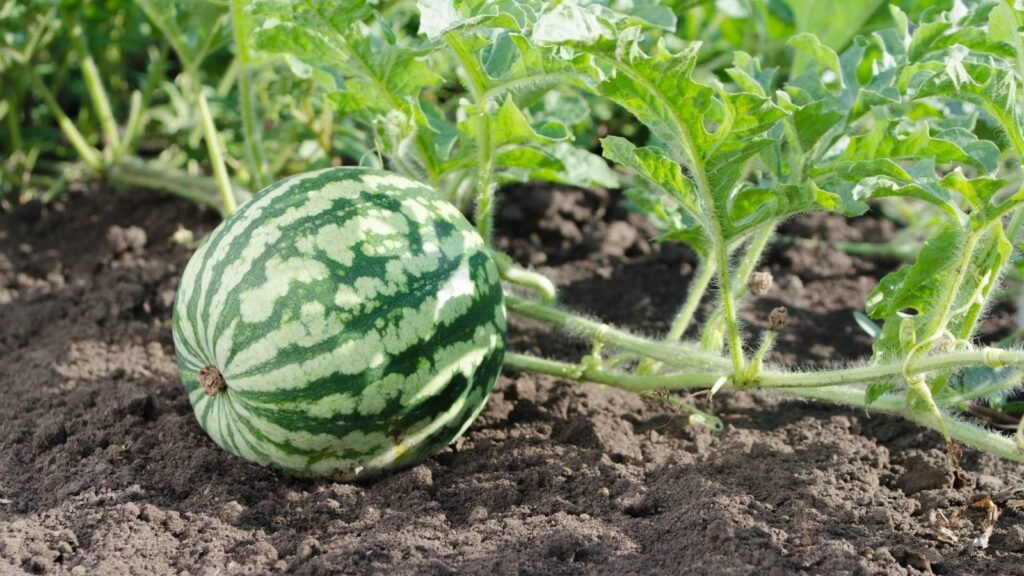
Once you’ve chosen your watermelon, cutting it open is the exciting part!
How to extract seeds properly:
- Slice the watermelon.
- Scoop out the flesh containing seeds.
- Separate seeds manually by squeezing gently.
- Place the seeds in a bowl of water.
The float test:
- Good seeds sink.
- Bad seeds float.
Choose only large, dark, mature seeds for planting. Light-colored or soft seeds are usually immature and will not sprout.
Wash and dry seeds
Rinse the seeds thoroughly and lay them on a paper towel. Allow them to dry completely for 24–48 hours.
Dry seeds prevent mold and rot during germination.
Step 3: Germinating the Seeds Successfully
Watermelon seeds germinate faster with warm temperatures and moisture.
Paper Towel Germination Method (Best Results)
You will need:
- Paper towels
- A spray bottle
- A zip-lock bag
- Watermelon seeds
Germination steps:
- Moisten the paper towel—do not soak it.
- Place seeds evenly on the towel.
- Fold the towel over to cover the seeds.
- Slide it into a zip-lock bag.
- Keep the bag in a warm spot (24–30°C).
Seed sprouting time:
Typically 3–7 days.
When the seeds grow small white roots, they’re ready to plant.
Step 4: Preparing the Soil for Strong Watermelon Growth
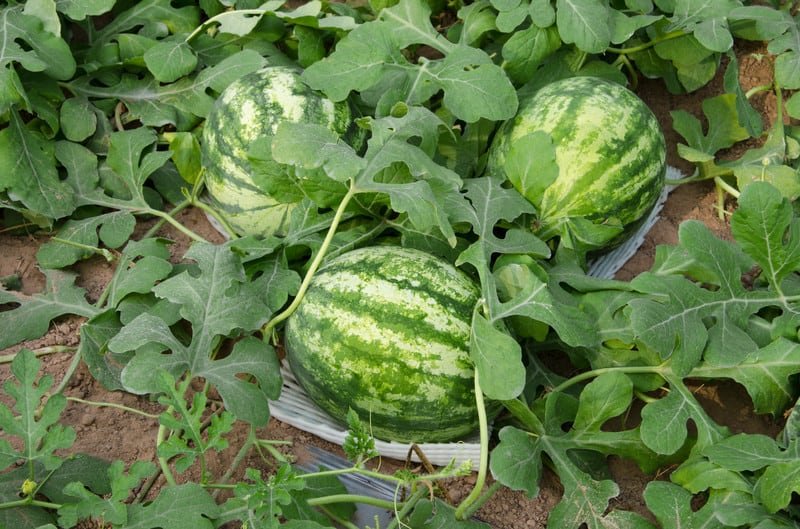
Watermelons grow big and need nutrient-rich soil.
Soil mix requirements:
Watermelons prefer:
- Loose
- Well-drained
- Sandy loam soil
- Rich in organic matter
Ideal soil mix:
- 40% garden soil
- 40% compost or cow manure
- 20% sand or coco peat
This ensures:
- Strong vine growth
- Fast root development
- Better fruit size
Soil pH:
Maintain between 6.0–6.8.
Step 5: Planting Sprouted Watermelon Seeds
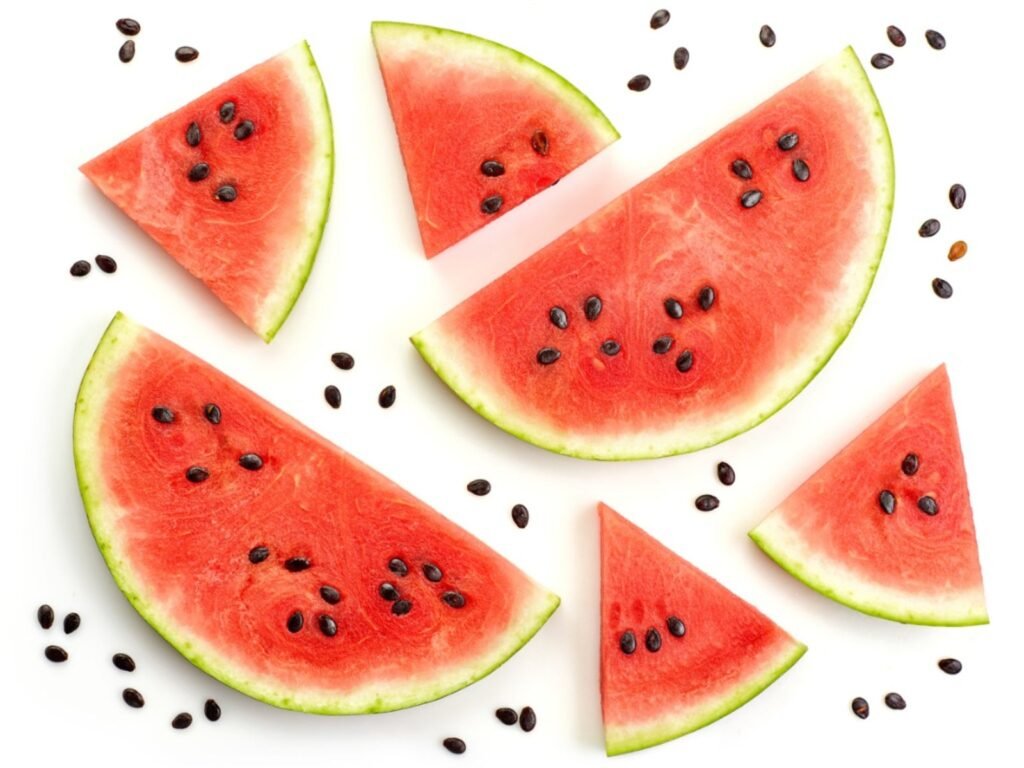
Once your seeds sprout, it’s time to plant them.
Plant depth:
Create holes 1 inch deep.
Planting method:
- Place one sprouted seed per hole.
- Keep the root pointing downwards.
- Cover lightly with soil.
Spacing:
Watermelon vines need space:
- 3–4 feet between plants
- 6–8 feet between rows
If you’re using containers, choose:
- At least 40-liter containers
- Wide containers for vine spreading
Step 6: Watering Your Watermelon Plants Properly
Water is crucial for watermelon growth, especially during the first 40 days.
Watering schedule:
- Water daily for the first week.
- Keep soil moist but not soggy.
- Deep watering is better than frequent light watering.
Avoid water on leaves
Water at the base to prevent fungal diseases.
Reduce watering before harvest
This increases sweetness and reduces cracking.
Step 7: Feeding Your Watermelon Plants for Huge Fruits
Watermelons are heavy feeders. They need proper nutrition to grow large, sweet fruits.
Best natural fertilizers:
- Cow manure
- Compost
- Vermicompost
- Banana peel fertilizer
- Wood ash for potassium
- Fish emulsion
- Seaweed extract
Feeding timetable:
- At planting: Add compost to soil.
- After 3 weeks: Apply nitrogen-rich feed to grow vines.
- During flowering: Switch to potassium-based fertilizer for bigger fruits.
- Fruit enlargement stage: Apply liquid compost tea weekly.
Proper feeding ensures:
- More flowers
- Better fruit setting
- Juicier watermelons
Step 8: Pollination – The Secret to Fruit Production
Watermelon requires pollination between male and female flowers.
How to identify:
- Male flowers: Thin stems
- Female flowers: Tiny fruit beneath the petals
Hand pollination (for guaranteed fruiting)
- Pluck a male flower.
- Peel back the petals.
- Gently rub pollen onto the female flower’s center.
This increases chances of bigger, healthier fruits.
Step 9: Training the Vines
Training creates stronger growth and prevents overcrowding.
Training tips:
- Guide vines outward.
- Trim excessive side runners.
- Allow only 2–3 main vines per plant for larger fruits.
Pruning unnecessary growth directs energy to fruit development.
Step 10: Knowing When to Harvest Watermelons
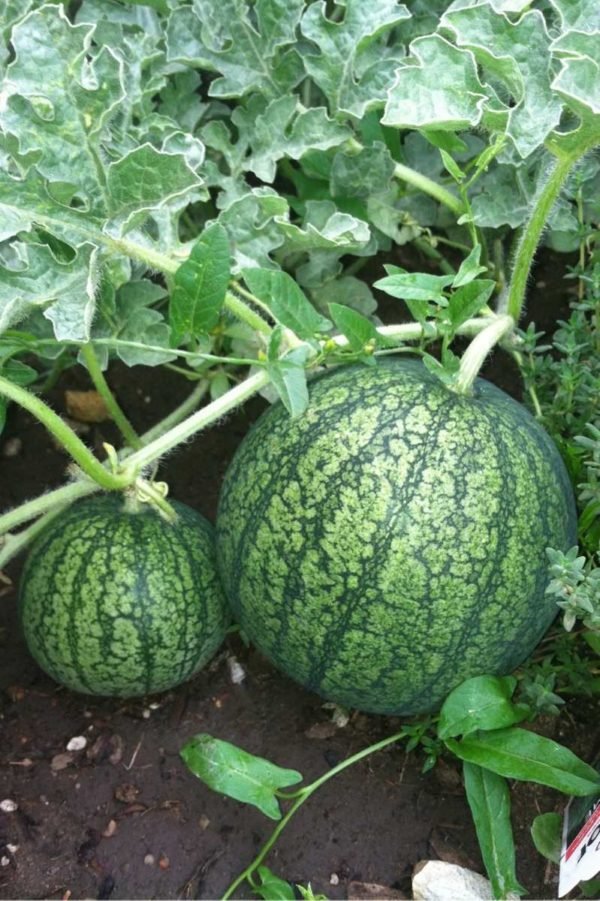
Watermelons give several signs when they’re ready.
Signs of ripeness:
- Tendril near fruit turns brown and dry
- Underside of melon turns creamy yellow
- Melon sounds hollow when tapped
- Fruit stops growing in size
- Skin becomes tough and dull
Remember—watermelon sweetens on the vine, not after picking.
Why This Method Works
Growing watermelon from store-bought fruit is successful because:
Seeds inside a ripe watermelon are fully developed
Watermelon seeds naturally germinate easily
Proper soil and sunlight create strong vines
Watermelon is a fast-growing crop
A single fruit provides dozens of viable seeds
With the correct techniques above, you can grow large, sweet watermelons even in a small home garden.
Final Thoughts
Growing watermelon from store-bought fruit is one of the easiest and most satisfying gardening experiences. With just a handful of seeds, some sunlight, and regular care, you can transform a simple fruit into a garden full of delicious watermelons.
This method works for beginners and experienced gardeners alike. Whether you want a fun garden project or dream of harvesting your own juicy melons, this guide gives you everything you need to succeed.