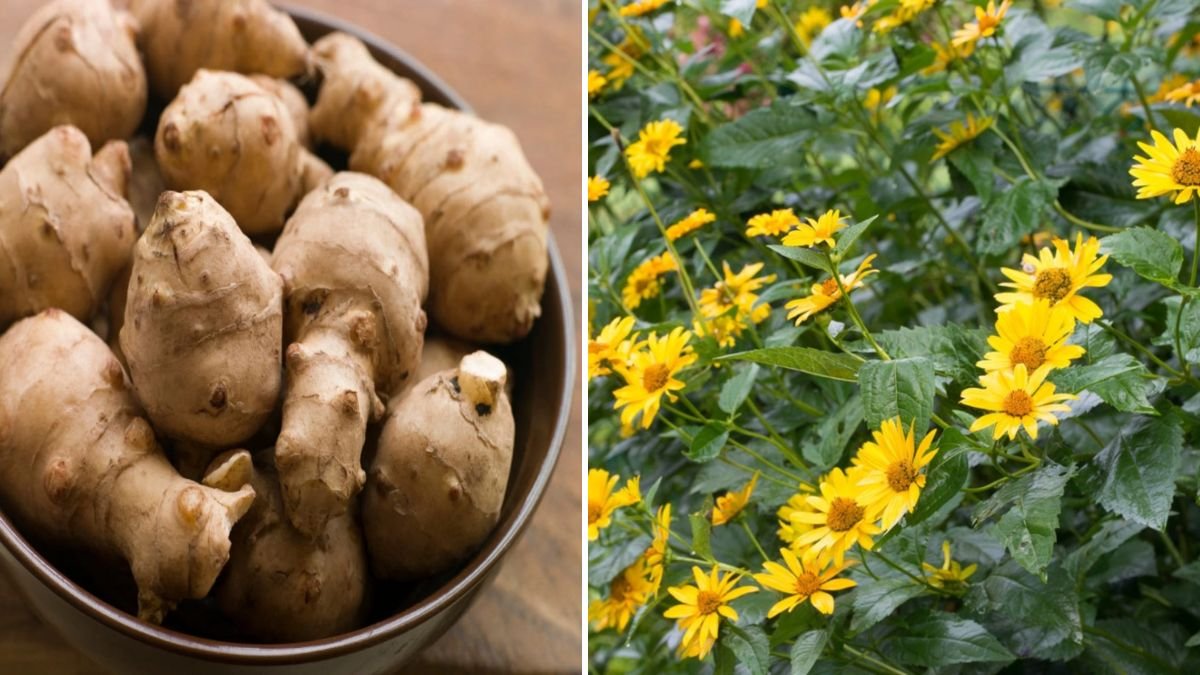
Jerusalem artichoke—also known as sunchoke, earth apple, or sunroot—is one of the easiest, most productive, and most underrated root vegetables you can grow. This hardy plant can thrive with minimal effort, produces abundant tubers, and comes back year after year like a perennial. If you follow the right techniques, you can harvest buckets of sunchokes from even a small garden space.
In this complete 1200-word guide, you’ll learn the top 5 expert tips that will help you grow a massive harvest of Jerusalem artichokes. Whether you’re planting them in your backyard, in containers, or on a small farm, these tricks will give you strong plants, bigger tubers, and repeated harvests season after season.
Let’s dig in!
Understanding Jerusalem Artichokes: The Super Crop
Before diving into the tips, it helps to understand what makes sunchokes so productive.
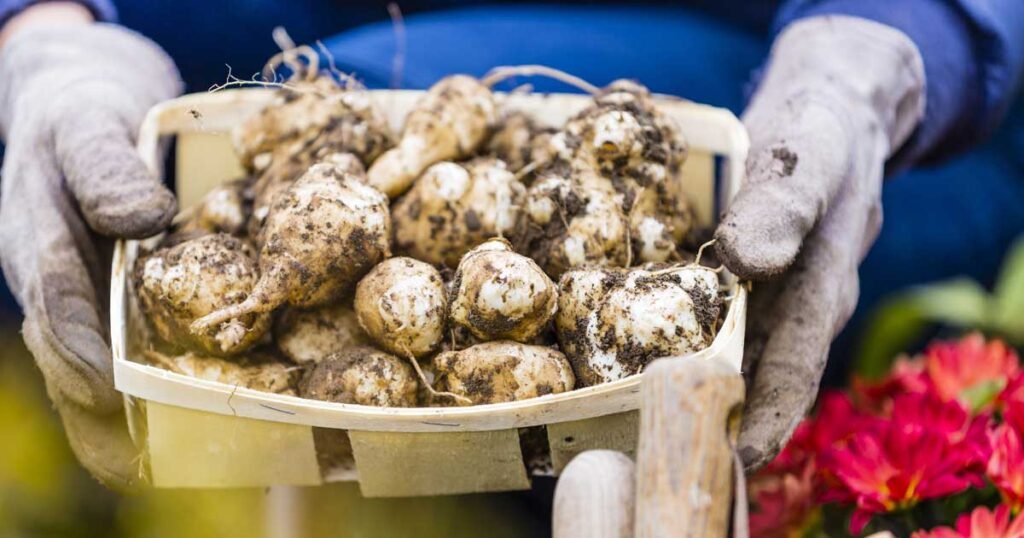
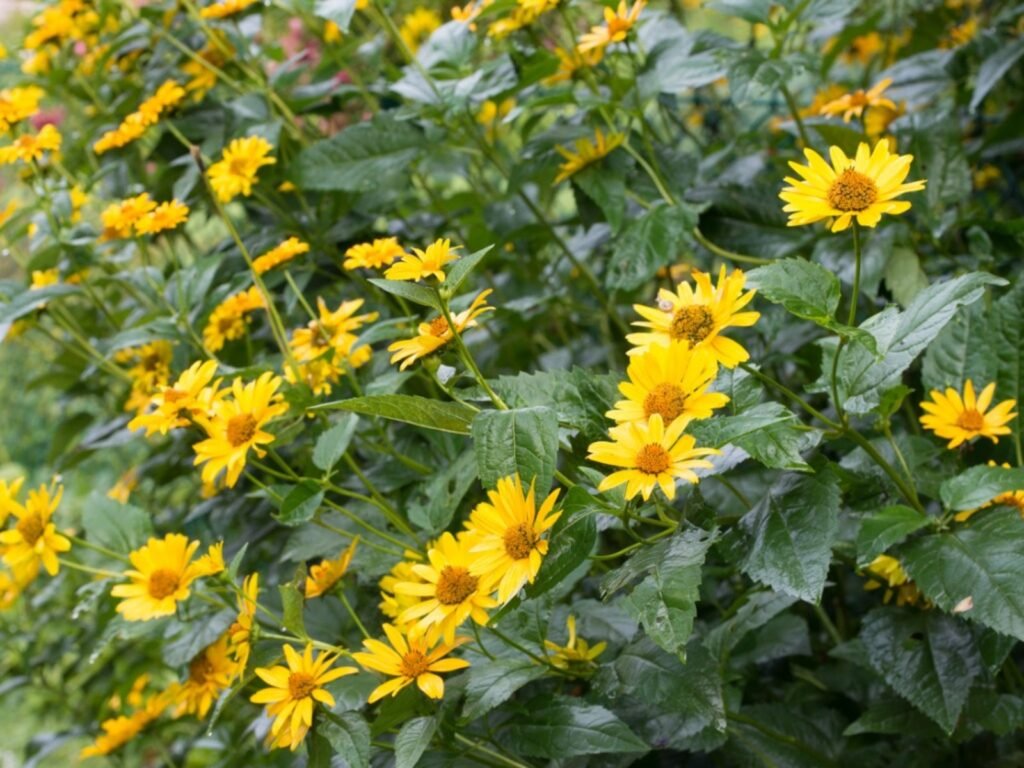
Jerusalem artichoke is a sunflower relative with tall stems, bright yellow blooms, and crisp, nutty tubers packed with nutrients. These plants are:
- Perennial (come back every year)
- Extremely hardy
- Drought tolerant
- Pest resistant
- Cold tolerant
- High-yielding
- Easy to grow anywhere
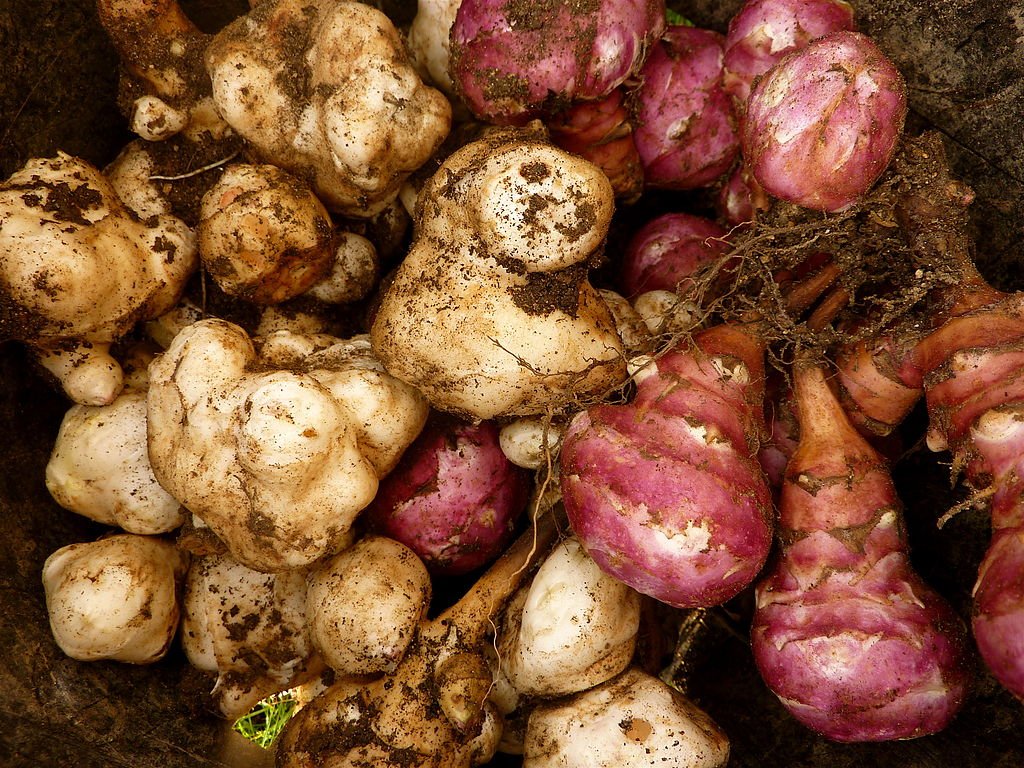
Their tubers spread underground, forming clusters that multiply each season. This natural spreading behavior is what helps you grow a ton of sunchokes with the right methods.
Tip 1: Choose Healthy, Large Tubers for Best Results
The foundation of a huge harvest starts with choosing the right planting material.
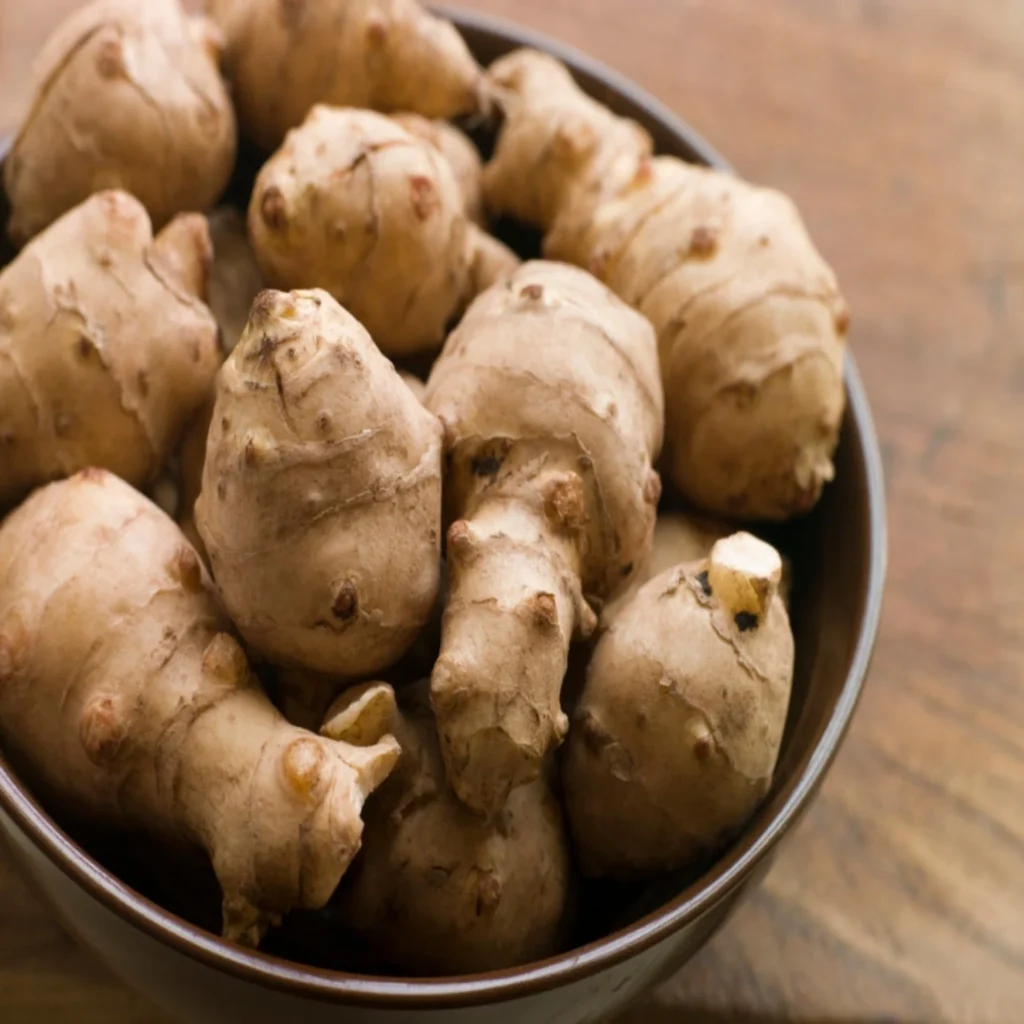
Select plump, firm tubers
Good tubers should be:
- At least 2–3 inches long
- Heavy and moist
- Free from soft spots
- Free from mold and rot
Larger tubers produce stronger shoots and more vigorous root systems.
Avoid tiny tubers
Small tubers can grow, but they produce weaker plants and smaller yields. Always aim for medium to large pieces.
Variety matters
Some varieties produce more aggressively than others. If you can choose, look for:
- Stampede
- Clearwater
- Fuseau
These are known for large yields and smooth, easy-to-clean tubers.
Tip 2: Plant in Loose, Nutrient-Rich Soil for Giant Yields
Jerusalem artichokes can grow in nearly any soil—but to grow a TON, you need to give them the best environment.
Prepare deep, loose soil
Sunchokes produce larger tubers when their roots can spread easily. Loosen soil 12–16 inches deep.
Ideal soil mix:
- 50% garden soil
- 25% compost
- 25% sand or coco peat
This mix encourages:
- Better aeration
- Larger tuber growth
- Faster spreading
Add organic matter
Work in:
- Compost
- Aged manure
- Worm castings
These ingredients boost nutrients slowly throughout the season.
Avoid heavy clay soil
Clay restricts tuber expansion and reduces yield. If you have clay soil, amend it heavily with sand and compost.
Tip 3: Give Sunchokes Full Sun and Plenty of Space
Jerusalem artichokes grow tall—often reaching 6–10 feet—so they need sunlight and space to thrive.
Provide at least 6 hours of sunlight
More sunlight means:
- Taller plants
- Larger tubers
- More vigorous flower growth
Proper spacing is essential
Plant tubers 12–18 inches apart.
If you crowd them, you’ll get:
- Lots of small tubers
- Weak plants
- Reduced airflow
With proper spacing, each plant can produce large clusters of sunchokes.
Plant deeply
Bury tubers 4–6 inches deep.
This prevents them from drying out and gives space for tubers to expand.
Tip 4: Water and Feed Strategically for Huge Harvests
Jerusalem artichokes don’t need heavy watering or feeding—but timed correctly, these boosts can dramatically increase production.
Watering Routine
- Water well after planting
- Keep soil slightly moist for the first month
- Once established, they become drought-tolerant
- Increase watering during flowering (late summer)
Deep watering during flowering directly increases tuber size.
Feeding Schedule
Feed plants at three key times:
1. At Planting
Add compost or slow-release organic fertilizer.
2. Mid-Growth (Early Summer)
Apply nitrogen-rich feed like:
- Compost tea
- Fish emulsion
- Diluted cow manure
This strengthens stems and promotes healthy leaf growth.
3. During Flowering
Switch to potassium-rich feeds like:
- Wood ash
- Banana peel fertilizer
- Bone meal
Potassium directly enhances tuber formation and improves size.
Avoid too much nitrogen
Excess nitrogen leads to tall plants but small tubers. Balance is key.
Tip 5: Harvest Correctly and Use Smart Regrowth Techniques
Harvesting time plays a huge role in tuber size and flavor.
When to harvest
Jerusalem artichokes are ready when:
- Leaves die back
- Stems turn brown
- Soil cools down
This typically occurs after the first frost.
Cool weather improves flavor and starch conversion.
How to harvest
- Use a garden fork—not a shovel—to avoid damaging tubers.
- Dig carefully around the plant base.
- Lift entire clusters of tubers gently.
- Sort big ones for eating and keep medium ones for replanting.
Leave some tubers to regrow
You don’t need to replant every year. Simply leave small tubers in the soil—they’ll sprout again in spring.
Rotate harvest spots
Because sunchokes spread, you can harvest:
- One area for fresh eating
- Another area for next year’s planting
This ensures non-stop yearly production.
Bonus Tips for Growing a MONSTER Harvest
1. Mulch heavily
Mulching helps:
- Retain moisture
- Reduce weeds
- Keep soil cool
- Improve tuber size
Use straw, leaves, or grass clippings.
2. Give plants support
Tall, sunflower-like stems may need support in windy areas.
Use:
- Bamboo stakes
- String trellis
- Fence support
This reduces stem damage and protects your harvest.
3. Thin overcrowded plants
If plants sprout too close together, remove some early.
This helps the remaining plants grow bigger and healthier.
4. Grow in containers (if needed)
Yes! You can grow sunchokes in containers—use at least a 25-30 liter pot.
Choose a deep container and harvest more easily without the spreading issue.
Why These 5 Tips Work
Jerusalem artichokes naturally spread and multiply. When you apply these strategies:
Larger tubers form
More clusters develop
Plants grow taller and stronger
Soil becomes more tuber-friendly
Water and nutrients reach roots efficiently
Regrowth happens automatically every year
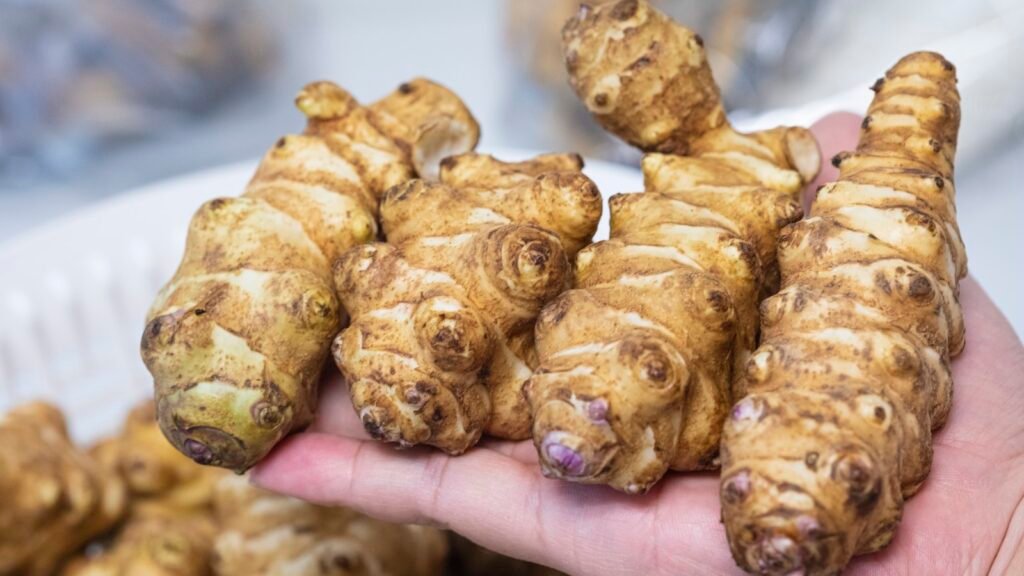
With the right care, a single tuber can produce 30–80 new tubers!
Final Thoughts
Growing Jerusalem artichokes is one of the easiest ways to produce a huge amount of nutritious food with minimal effort. With these 5 powerful tips, you’ll unlock the plant’s full potential and enjoy massive yields season after season.
Whether you want to grow them for food security, gardening fun, or simply to enjoy their delicious crunch, these hardy plants will reward you generously.