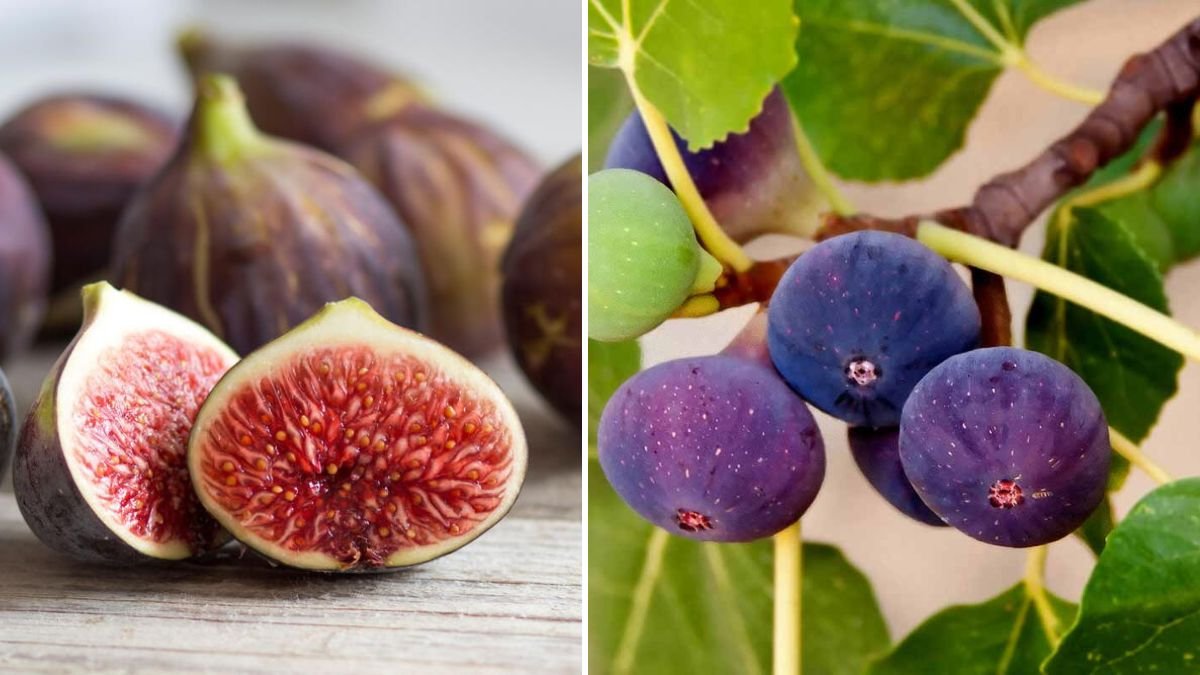
Propagation season is one of the most exciting times for gardeners. The promise of new plants from simple cuttings feels almost magical—especially when it comes to figs and grapes, two of the easiest and most rewarding fruit plants to multiply. In 2025, gardeners around the world are upgrading their propagation game with simple, effective, and highly productive techniques.
If you’re ready to build your own orchard for free, share new plants with friends, or expand your garden with hardy, fruitful varieties, this guide will walk you through everything you need to know about sharing new fig and grape cuttings—step-by-step, scientifically, and efficiently.
Introduction: Why Share Fig & Grape Cuttings?
Figs and grapes are beloved for their sweetness, adaptability, and low maintenance. What makes them extra special is how easily they can be propagated from cuttings. When you share a cutting, you’re sharing a living piece of a plant that can grow for decades—a truly meaningful gesture.
Why figs and grapes are perfect for sharing:
- They root extremely easily
- They produce fruit within 1–2 years
- They adapt well to pots and open ground
- They’re drought-tolerant and resilient
- One mother plant can produce dozens of new plants annually
Sharing cuttings in 2025 also promotes sustainable gardening—reducing waste, conserving genetic diversity, and helping communities grow their own food.
Choosing the Best Fig & Grape Cuttings
Success begins with selecting the right type of cutting.
Best Time to Collect
- Late winter to early spring (dormant stage)
- OR during pruning seasons
- OR anytime strong shoots mature (for green cuttings)
What Makes a Perfect Cutting?
For both figs and grapes:
- Length: 8–12 inches (20–30 cm)
- Thickness: Pencil-thick or slightly thicker
- Nodes: At least 3–5 healthy buds or joints
- Age: Semi-hardwood or hardwood
- Condition: Disease-free, no cracks, no shriveling
Avoid These
- Very thin or weak shoots
- Overripe, brittle wood
- Mold or pest-infected branches
- Very young green shoots (unless using special green-cutting method)
Step-by-Step: How to Prepare Cuttings for Sharing (2025 Method)
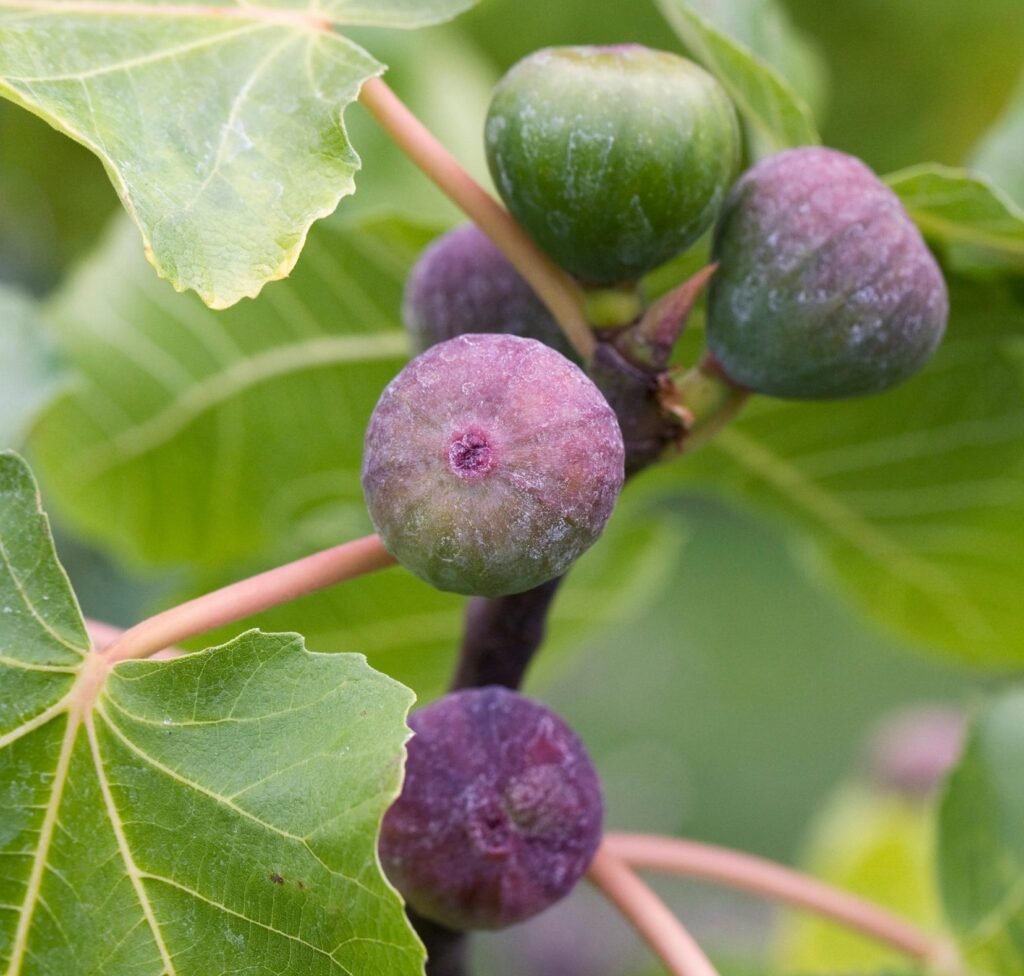
Preparing cuttings properly ensures high rooting success—even for beginners.
1. Trim and Clean the Cutting
- Cut at a 45° angle at the bottom.
- Cut straight across at the top.
- Remove extra side branches.
- Leave at least 2–3 nodes for rooting.
2. Mark the Top (Very Important!)
New gardeners often plant upside down by mistake.
Mark the TOP of the cutting by:
- Adding a straight cut across
- Writing on it with a marker
- Adding tape
3. Apply Rooting Enhancer (Optional but improves success)
Use one of these:
- Aloe vera gel
- Willow water
- Cinnamon powder
- Store-bought rooting hormone
4. Seal & Pack for Sharing
If you’re giving the cuttings to someone:
- Wrap the bottom with moist paper
- Place cuttings in a plastic bag
- Label with variety, date, and instructions
This keeps them fresh for 7–10 days.
Best Rooting Methods for Figs & Grapes (Choose One)
There are many successful ways to root these cuttings. Choose the one you prefer, or share instructions along with the cuttings.
1. Water Rooting (Fast & Easy)
Perfect for beginners.
Procedure:
- Place cuttings upright in a jar
- Add 2–3 inches of clean water
- Keep in bright but indirect light
- Change water every 4–5 days
Rooting time:
- Figs: 10–20 days
- Grapes: 2–4 weeks
2. Soil Potting Method (Most Reliable)
Ideal for long-term strength.
Use a mix of:
- 50% cocopeat or peat moss
- 30% perlite or sand
- 20% compost
Steps:
- Insert bottom node into soil
- Keep soil moist but not wet
- Cover with a plastic bag to maintain humidity
- Root in 3–5 weeks
3. Ziplock Bag Method (Space-Saving & Fast)
Very popular in 2025.
- Add moist cocopeat in a ziplock bag
- Insert cuttings
- Seal and place in indirect sunlight
- Open weekly to release humidity
- Roots form fast and strong
4. Direct Ground Method (For Warm Climates)
Plant directly outdoors if temperatures allow.
- Insert the cutting halfway
- Keep soil moist
- Provide shade for 2–3 weeks
High success for grapes.
Transplanting: When & How to Transfer Cuttings
Once roots reach 2–3 inches, transplant the cutting into:
- A pot
- Grow bag
- Garden bed
Potting Soil Mix:
- 40% garden soil
- 30% compost
- 30% cocopeat
Aftercare:
- Provide partial shade for 1–2 weeks
- Water lightly every 2–3 days
- Gradually increase sunlight
- Fertilize after 1 month
Within 1 year, your small cutting will become a strong fruiting plant.
Sharing Tips for 2025 Gardeners
Sharing plants is more than just giving away cuttings. Here’s how to make the experience special:
1. Label Everything Clearly
Include:
- Variety name
- Date cut
- Rooting method options
2. Add Care Instructions
Help beginners succeed.
3. Share in Community Groups
- Local gardening groups
- Online plant exchange forums
- Neighbors and relatives
- School or garden clubs
4. Give as Gifts
A rooted fig or grape plant makes a meaningful, eco-friendly gift.
Common Problems & Easy Solutions
Mold on Cuttings
Cause: Too much moisture
Fix: Ventilate better, reduce humidity
Leaves drying out
Cause: Sunburn
Fix: Provide shade for newly rooted cuttings
No roots forming
Cause: Cutting is too old or dry
Fix: Use fresh cuttings; soak bottom in water overnight before planting
Rot at the bottom
Cause: Overwatering
Fix: Improve drainage and air circulation
Why 2025 Is the Best Time to Propagate & Share Figs and Grapes
With rising interest in home gardening and food independence, more people than ever want to grow fruit at home. Sharing cuttings is:
- Eco-friendly
- Cost-effective
- Community-building
- Easy for all ages
- A step toward sustainable living
By sharing these new fig and grape cuttings, you’re not just growing plants…
you’re growing connections, abundance, and a greener future.
Conclusion: Start Sharing, Start Growing!
Whether you’re a seasoned gardener or a beginner exploring plant propagation in 2025, sharing fig and grape cuttings is one of the simplest and most rewarding ways to spread joy, food, and sustainability.
With minimal tools, zero cost, and only a little patience, you can help multiple people start their own fruit gardens. And from one healthy plant, you can create dozens of new ones every single year.
So take the step—prepare your cuttings, share them with others, and enjoy the beautiful cycle of growth for years to come.