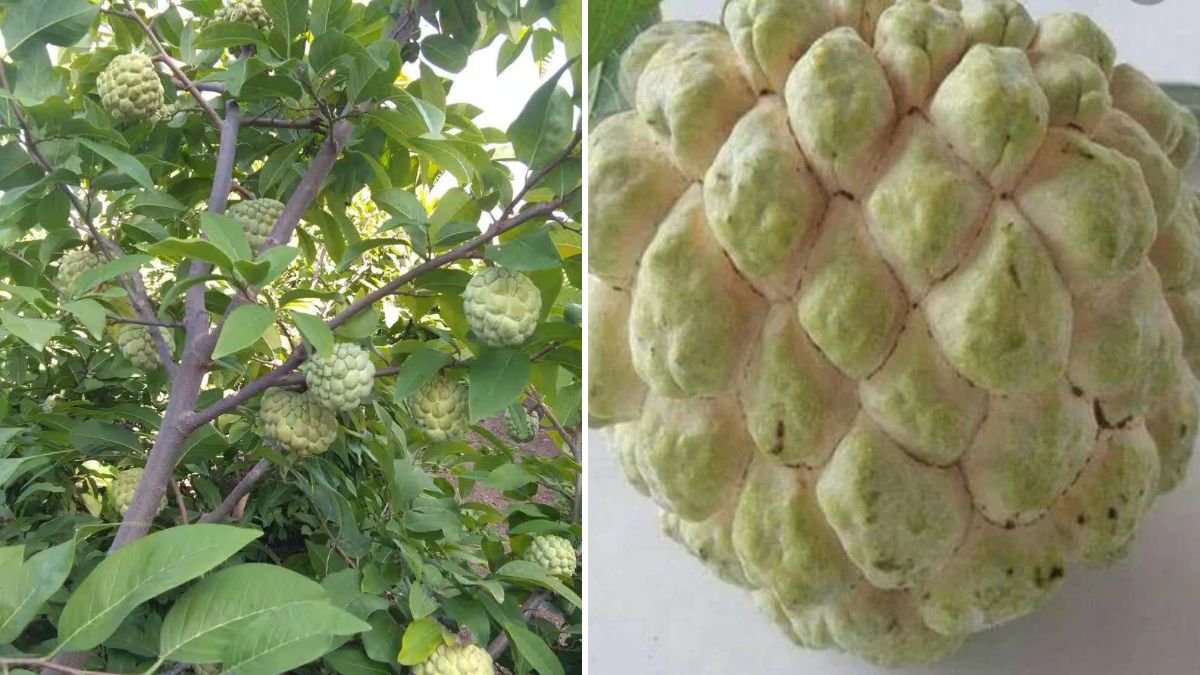
There’s something magical about a garden filled with blooming flowers and fruit-bearing plants. The vibrant colors, sweet fragrances, and delicious harvests create a serene and productive space that can brighten any home. Whether you are a beginner gardener or an experienced plant enthusiast, building an amazing fruits and flowers garden or nursery can be both rewarding and therapeutic.
In this detailed guide, we will explore how to design and grow a thriving fruits and flowers garden, tips for nursery setup, plant selection, soil preparation, care routines, and expert techniques to ensure your garden flourishes year-round.
Why Grow a Fruits and Flowers Garden?
A combined fruits and flowers garden offers multiple benefits:
- Aesthetic beauty: Flowers add vibrant colors, fragrance, and charm to your outdoor space.
- Fresh produce: Fruits provide nutrition and reduce grocery expenses.
- Biodiversity: Attracts pollinators like bees, butterflies, and birds.
- Stress relief: Gardening is therapeutic and promotes mental well-being.
- Educational value: Perfect for teaching kids about plant life cycles and sustainability.
With careful planning, your garden can be a source of both joy and sustenance.
1. Planning Your Fruits and Flowers Nursery
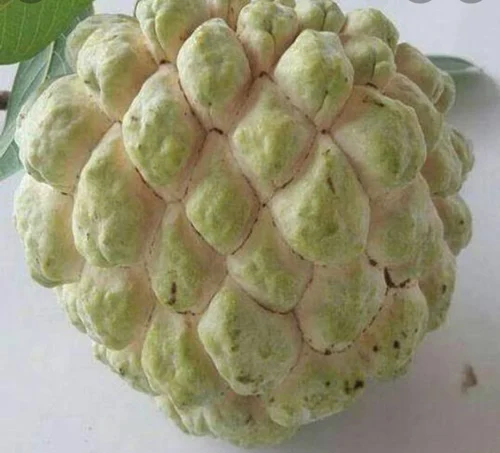
Before planting, a well-thought-out plan ensures your garden is organized, productive, and visually appealing.
Steps to Plan Your Garden:
- Select the location:
- Ensure ample sunlight (at least 6–8 hours daily).
- Good air circulation reduces disease risk.
- Easy access to water supply for regular irrigation.
- Decide on garden layout:
- Use raised beds, pots, or rows for organization.
- Plan for taller fruit trees at the back and flowering shrubs at the front.
- Leave pathways for easy maintenance.
- Choose plant varieties:
- Select fruits suitable for your climate and space, e.g., mango, guava, papaya, or lemon.
- Pick flowering plants that bloom in different seasons for continuous color.
- Consider companion planting to improve growth and reduce pests.
2. Selecting Fruits and Flowers for Your Garden
Choosing the right plants ensures a bountiful and vibrant garden.
Popular Fruits for Home Gardens:
- Lemon and Orange trees
- Mango and Papaya
- Guava and Pomegranate
- Banana and Fig
Popular Flowers for Color and Fragrance:
- Roses, Hibiscus, and Jasmine
- Marigold, Petunia, and Bougainvillea
- Sunflower, Geranium, and Zinnia
- Seasonal flowers like Tulips or Daffodils
Tips for Plant Selection:
- Mix evergreen and seasonal plants for year-round beauty.
- Include edible flowers like nasturtium or marigold for extra utility.
- Consider pollinator-friendly flowers to boost fruit yield.
3. Soil Preparation and Fertilization
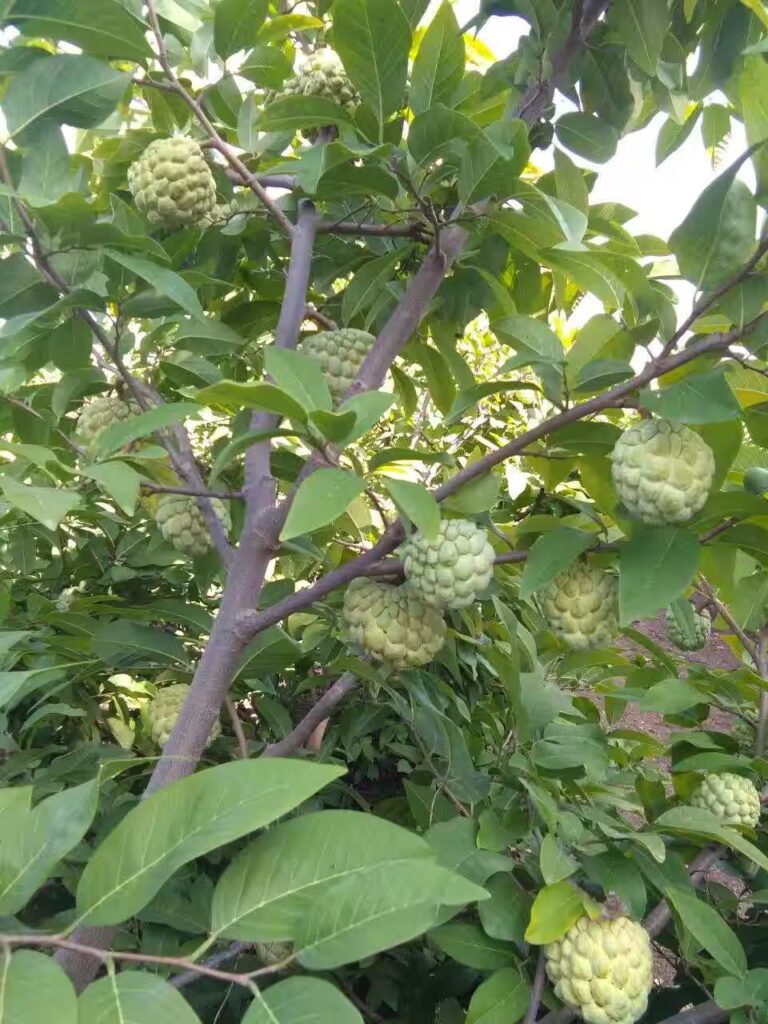
Healthy soil is the foundation of a thriving garden.
Steps for Soil Preparation:
- Remove weeds, rocks, and debris.
- Loosen the soil to improve drainage and aeration.
- Mix in organic compost or well-rotted manure for nutrients.
- Check soil pH: Most fruits and flowers prefer slightly acidic to neutral soil (pH 6–7).
- For raised beds, use a mix of garden soil, compost, and sand for optimal drainage.
Fertilization Tips:
- Apply organic fertilizers like compost, cow dung, or vermicompost monthly.
- For flowering plants, use phosphorus-rich fertilizers to boost blooms.
- For fruits, use potassium and nitrogen-rich fertilizers to enhance fruit development.
Healthy soil ensures plants grow strong roots, vibrant flowers, and juicy fruits.
4. Planting Techniques for Maximum Growth
Planting method affects growth, yield, and garden appearance.
Fruit Trees:
- Dig a hole twice the size of the root ball.
- Mix compost with soil before planting.
- Plant at the same depth as in the nursery pot.
- Water immediately after planting and mulch around the base.
Flowering Plants:
- Plant at proper spacing to avoid overcrowding.
- Use stakes for tall flowers to prevent bending.
- Group flowers with similar sunlight and water needs together.
Nursery Tip:
- Start with saplings or cuttings for faster growth.
- Use plastic pots or polybags to propagate plants before transferring to the garden.
5. Watering and Light Requirements
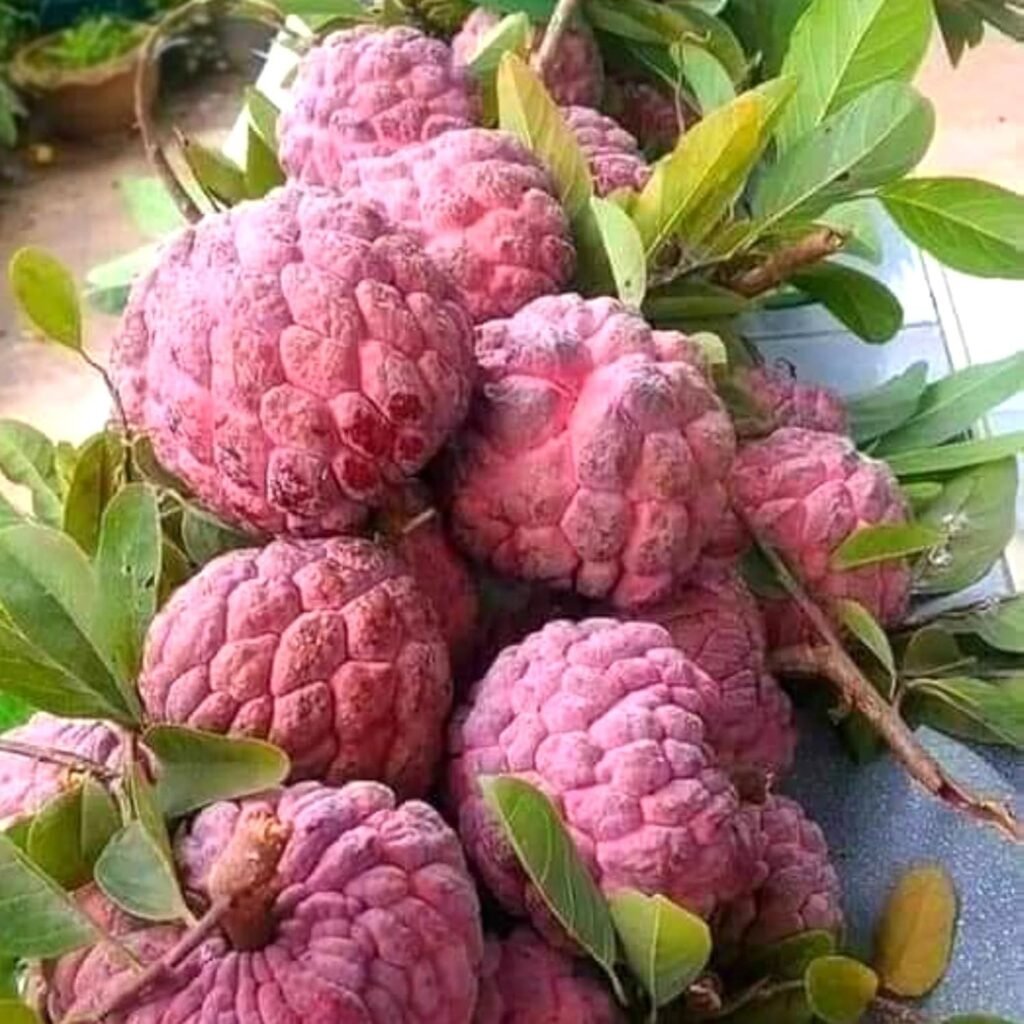
Water and light are essential for healthy growth and flowering.
Watering Tips:
- Water deeply but less frequently for fruit trees.
- For flowers, maintain moist but not waterlogged soil.
- Use drip irrigation or soaker hoses for efficiency.
Sunlight Requirements:
- Most fruits and flowering plants require 6–8 hours of direct sunlight.
- Provide partial shade for plants sensitive to intense sun.
Proper water and light balance ensures strong plants, abundant flowers, and juicy fruits.
6. Pest and Disease Management
A healthy garden must be protected from pests and diseases.
Common Problems:
- Aphids, mealybugs, and spider mites
- Fungal infections like powdery mildew or leaf spot
- Fruit flies affecting ripe fruits
Organic Solutions:
- Use neem oil or garlic spray to control pests.
- Maintain proper spacing and pruning to improve air circulation.
- Remove diseased leaves promptly to prevent spread.
Integrated pest management ensures healthy, pesticide-free fruits and flowers.
7. Pruning and Maintenance
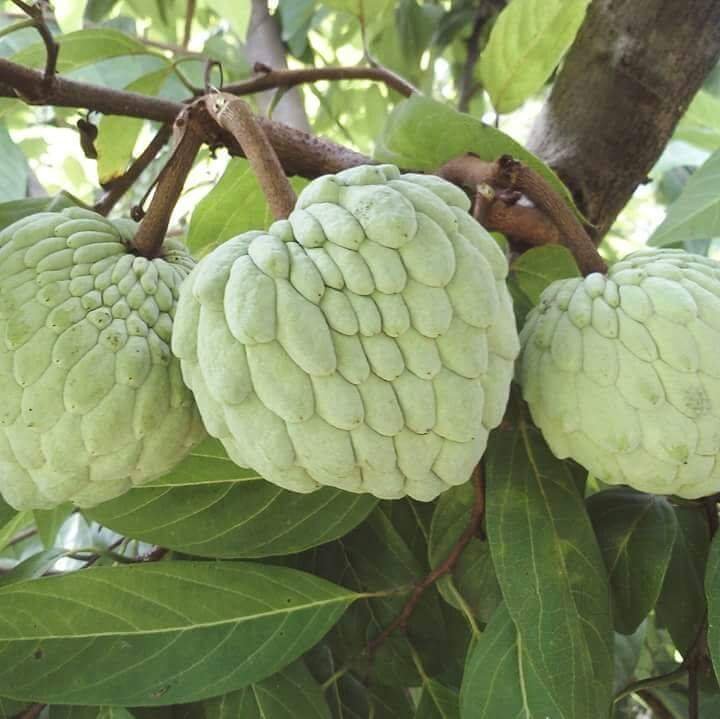
Regular pruning promotes healthy growth, flowering, and fruiting.
Pruning Tips:
- Remove dead or damaged branches regularly.
- Trim flowers to encourage more blooms.
- Prune fruit trees to maintain shape and improve sunlight penetration.
Other Maintenance Tasks:
- Mulch to retain soil moisture
- Weed regularly to reduce competition
- Rotate flowering plants to maximize bloom seasons
Consistent maintenance ensures your garden remains vibrant and productive year-round.
8. Creating a Mini Nursery
Having a small nursery within your garden allows you to propagate plants easily and ensure a continuous supply of fruits and flowers.
Nursery Setup Tips:
- Use plastic pots, polybags, or seed trays
- Separate sections for fruits and flowers
- Use labels for plant identification
- Keep a watering and fertilizing schedule
A well-organized nursery is perfect for expanding your garden without extra cost.
9. Harvesting Fruits and Flowers
Knowing when to harvest ensures maximum flavor, color, and fragrance.
Fruit Harvesting:
- Pick fruits when fully ripe but firm
- Use a gentle twist or cutting tool to avoid damaging branches
Flower Harvesting:
- Harvest flowers in the morning for maximum freshness
- Use scissors or shears to prevent plant damage
- Deadhead spent blooms to encourage more flowering
Harvesting at the right time ensures long-lasting enjoyment and continuous production.
10. Tips for a Stunning Fruits and Flowers Garden
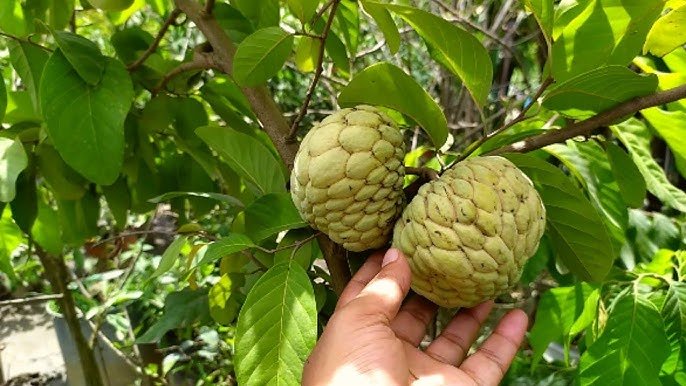
- Mix fruits and flowers to create visual appeal and functional benefits
- Include climbing plants like bougainvillea or passionflower for vertical space
- Use ornamental containers and trellises to enhance aesthetics
- Experiment with seasonal flowers to keep the garden colorful year-round
- Record your gardening progress and observations for continuous improvement
With these tips, you can design a garden that is not only productive but also a visual paradise.
Conclusion
Creating an amazing fruits and flowers garden or nursery is a rewarding experience for gardeners of all levels. With careful planning, proper plant selection, and consistent care, you can enjoy lush greenery, vibrant flowers, and delicious fruits throughout the year.
A fruits and flowers garden is more than just a hobby—it’s a source of nutrition, beauty, and joy. Start today, and transform your outdoor or indoor space into a bountiful, colorful paradise that brings happiness and health to your home!