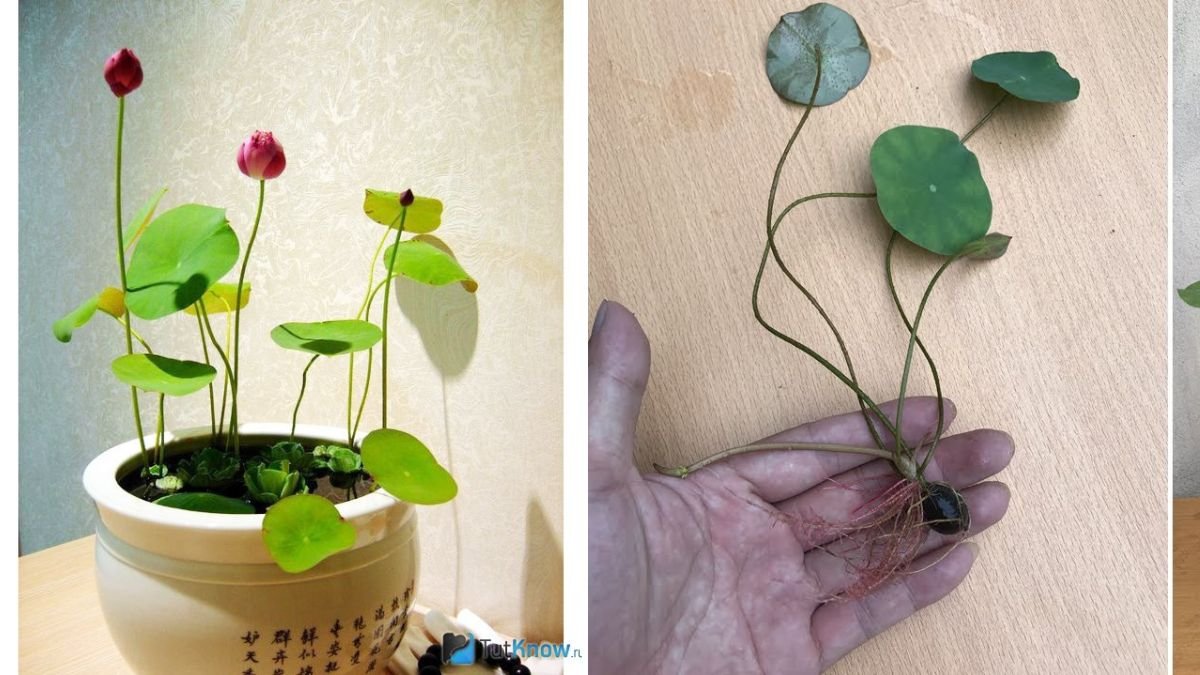
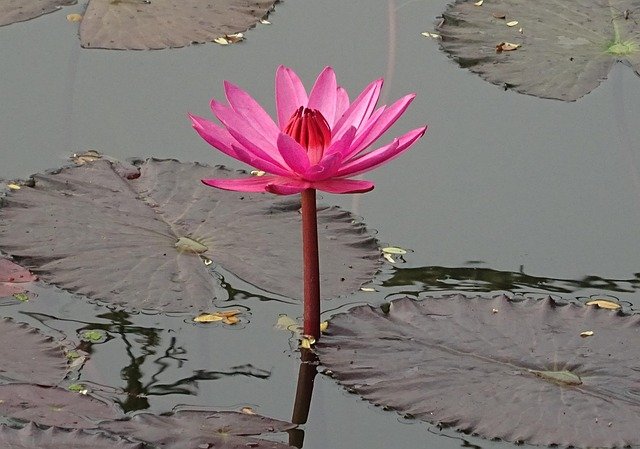
Water lilies, also known as Shapla flowers, are one of nature’s most enchanting aquatic plants. Floating gracefully on calm ponds, rivers, and water gardens, these flowers are admired for their stunning beauty, serene presence, and cultural significance. Whether you are a gardening enthusiast, a nature lover, or someone fascinated by aquatic plants, growing and appreciating Shapla flowers in water can be a delightful experience.
In this detailed guide, we will explore everything about Shapla flowers in water, from their natural habitat and beauty to how to grow them, care for them, and enjoy their numerous benefits.
Why Shapla Flowers Are Special
Shapla flowers are not just visually captivating; they hold cultural, ecological, and medicinal importance:
- Aesthetic appeal: Their bright, vibrant petals floating on water make any pond or water garden look magical.
- Symbolic significance: In many cultures, water lilies represent purity, peace, and spiritual enlightenment.
- Ecological benefits: Shapla flowers provide shelter for aquatic organisms and help maintain pond ecosystems.
- Medicinal properties: Some parts of the plant are used in traditional remedies for inflammation and minor ailments.
Their ability to thrive in water while maintaining elegance makes them a popular choice for gardeners and naturalists alike.
1. Understanding Shapla Flowers
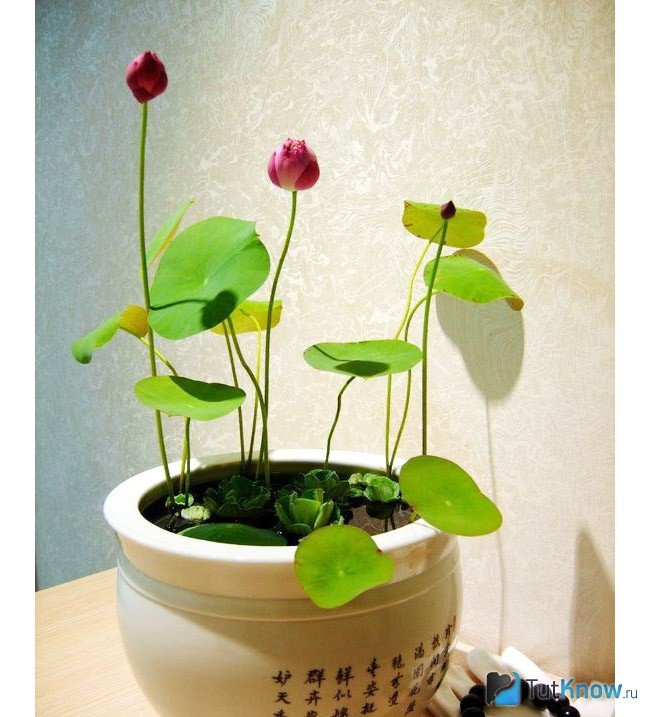
Before growing Shapla flowers, it’s essential to understand their characteristics:
Key Features:
- Botanical name: Nymphaea nouchali
- Habitat: Freshwater ponds, lakes, and slow-moving rivers
- Flower colors: White, pink, or light shades of blue and purple
- Floating leaves: Large, round leaves that float on the water surface
- Blooming pattern: Flowers open in the morning and close by evening
Shapla flowers are hardy aquatic plants, ideal for both natural water bodies and home water gardens.
2. Growing Shapla Flowers in Water
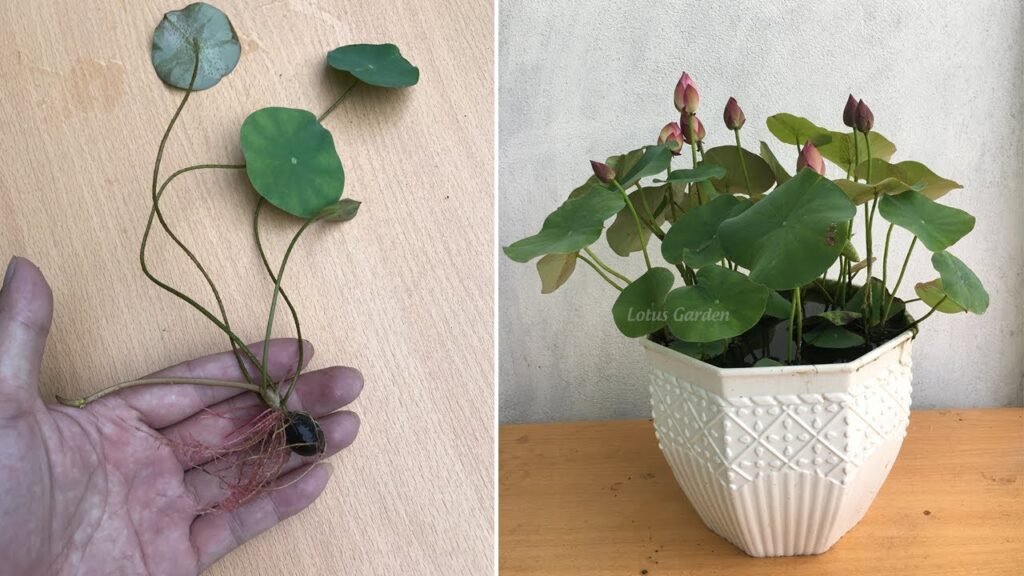
Growing Shapla flowers in water is surprisingly easy, even for beginners, if the right conditions are provided.
Step 1: Choose a Suitable Container or Pond
- Small ponds, large tubs, or water containers work well.
- Ensure the water is calm and has minimal disturbance.
- For larger ponds, multiple plants can be spaced apart for better growth.
Step 2: Select Healthy Rhizomes or Tubers
- Use healthy rhizomes (underground stems) with visible buds.
- Avoid damaged or rotten rhizomes.
Step 3: Planting in Water
- Fill the container with 3–6 inches of water above the soil level.
- Use heavy loamy soil or aquatic planting media. Avoid regular garden soil, which may float.
- Place the rhizome horizontally with the growing tip slightly above the soil.
- Cover lightly with soil but do not bury the tip completely.
3. Light and Temperature Requirements
Shapla flowers require ample sunlight for blooming:
- At least 4–6 hours of direct sunlight daily.
- Full sun exposure encourages vibrant flowers and strong leaf growth.
- Ideal temperature range: 20–30°C (68–86°F).
In shaded areas, leaves may grow but flowering could be limited.
4. Water Quality and Maintenance
The quality of water plays a crucial role in the health of Shapla flowers:
- Use clean, fresh water. Rainwater or tap water left for 24 hours works well.
- Maintain water depth of 6–12 inches for small containers and 12–24 inches for larger ponds.
- Remove decaying leaves to prevent water contamination.
- Avoid frequent water replacement as plants benefit from a stable aquatic environment.
Proper water care ensures long-lasting blooms and healthy growth.
5. Fertilization and Growth Boosters
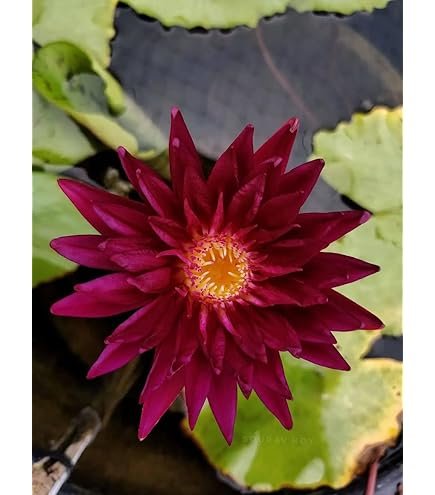
Although hardy, Shapla flowers thrive better with proper nutrition:
- Use aquatic plant fertilizers or slow-release tablets placed in the soil near the rhizome.
- Fertilize every 3–4 weeks during the growing season.
- Avoid over-fertilization, which can lead to excessive leaf growth and fewer flowers.
Healthy nutrition results in larger flowers, lush green leaves, and faster spreading.
6. Flowering and Blooming Tips
To enjoy maximum blooms of Shapla flowers:
- Ensure ample sunlight and nutrients.
- Maintain water depth and temperature.
- Remove spent flowers to encourage new blooms.
- Monitor for pests like aphids or snails that can damage leaves and flowers.
Typically, Shapla flowers bloom from spring to late autumn, creating a continuous display of natural beauty.
7. Common Pests and Problems
Even aquatic plants face challenges. Common issues include:
- Snail infestation: Eat leaves and buds. Use natural deterrents or traps.
- Algae growth: Can compete for nutrients. Reduce sunlight on water surface or add floating plants like duckweed.
- Leaf rot: Caused by stagnant water or over-fertilization. Remove decaying leaves promptly.
Proper maintenance ensures your Shapla flowers stay healthy and vibrant throughout the season.
8. Propagation of Shapla Flowers
Shapla flowers can be propagated easily from rhizomes:
- Division Method: Split mature rhizomes with buds and replant in separate containers or pond areas.
- Seed Method: Collect seeds from mature flowers, soak them in water, and sow in shallow water containers.
Propagation allows gardeners to expand their water garden without buying new plants.
9. Benefits of Growing Shapla Flowers in Water
Aesthetic and Decorative Benefits:
- Floating flowers create a tranquil, serene environment.
- Ideal for ponds, patios, or water features.
- Can be combined with lotus, duckweed, or ornamental fish for a vibrant ecosystem.
Ecological Benefits:
- Provide shade for aquatic life.
- Reduce algae growth by covering water surface.
- Enhance biodiversity by attracting pollinators and small aquatic animals.
Cultural and Medicinal Benefits:
- Symbol of purity and peace in various traditions.
- Some species used in traditional remedies for minor ailments.
10. Creative Ways to Display Shapla Flowers
- Floating bowls: Place a few flowers in a decorative bowl for table centerpieces.
- Miniature water gardens: Combine with pebbles, stones, and small aquatic plants.
- Terrace ponds: Use large containers or tubs on terraces for a peaceful retreat.
- Aquascaping: Pair with fish like koi or goldfish to create a lively ecosystem.
These creative displays enhance home décor and natural aesthetics.
11. Tips for a Thriving Shapla Garden
- Provide full sun and clean water consistently.
- Avoid overcrowding; give each plant room to spread.
- Remove spent flowers and damaged leaves regularly.
- Fertilize lightly to encourage lush blooms.
- Keep water depth appropriate for container size.
Following these tips ensures a beautiful, low-maintenance water lily garden that can be enjoyed year-round.
Conclusion
Shapla flowers, or water lilies, are a natural marvel that brings peace, beauty, and serenity to any water garden. With minimal effort, proper care, and attention to water, sunlight, and nutrients, you can grow breathtakingly beautiful Shapla flowers at home.
Whether in a pond, container, or tabletop water feature, these miracle water lilies captivate with their elegance and charm. Start your Shapla flower journey today and experience the calm, beauty, and magic of nature floating gracefully on water.